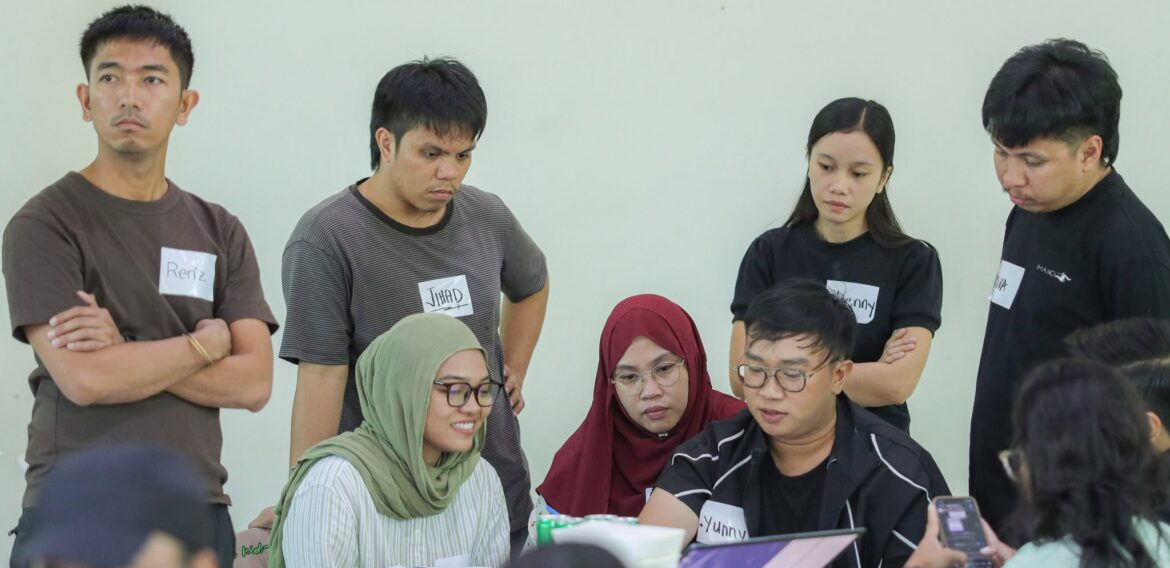
CMU shares communication expertise in MIADP capacity-building training
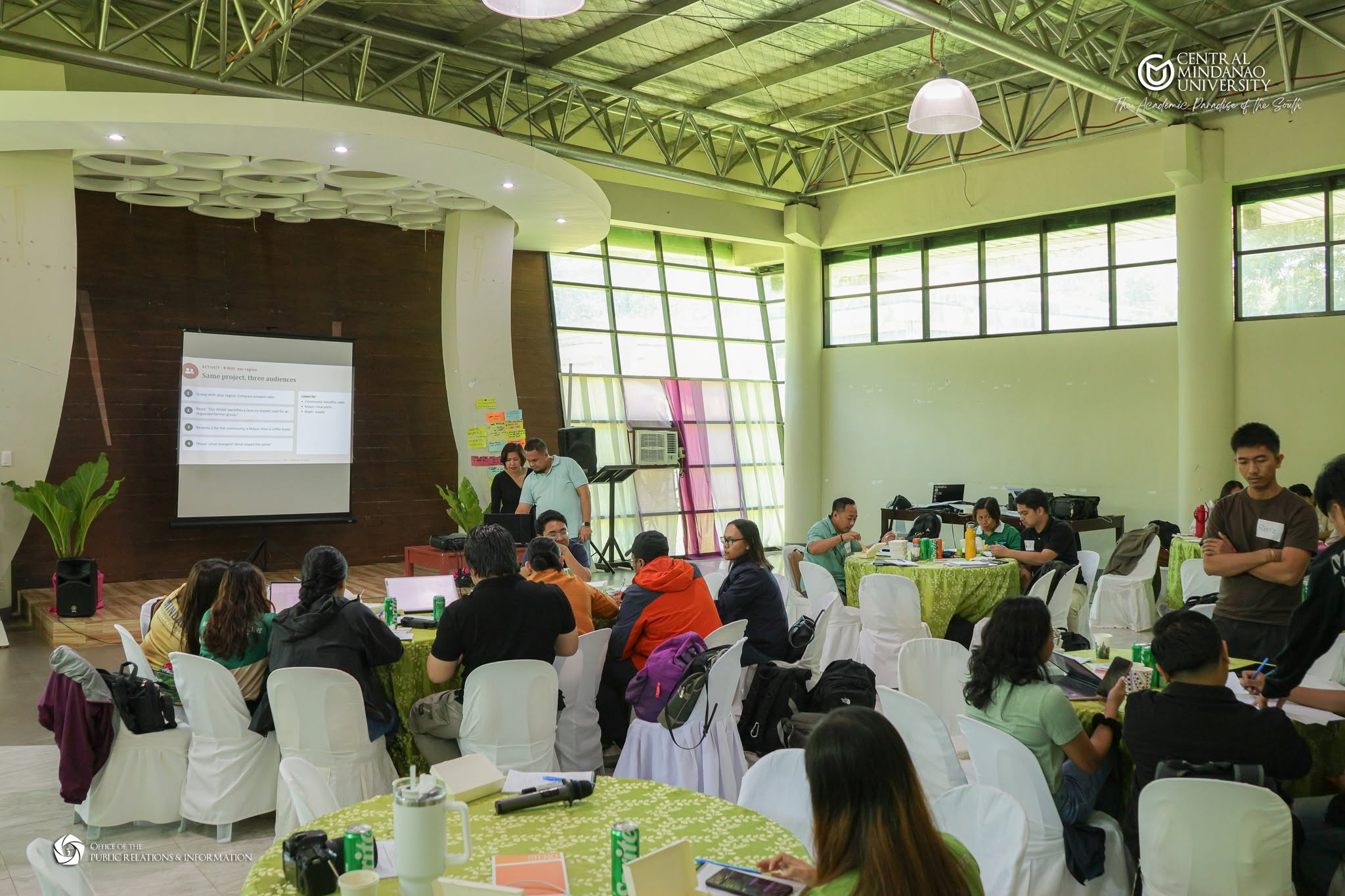
Central Mindanao University (CMU), through its Office of Public Relations and Information (OPRI), provided communication expertise to the Mindanao Inclusive Agriculture Development Project (MIADP) during a four-day Social Marketing and Communication Protocol Training and Workshop held September 29 to October 2, 2026.
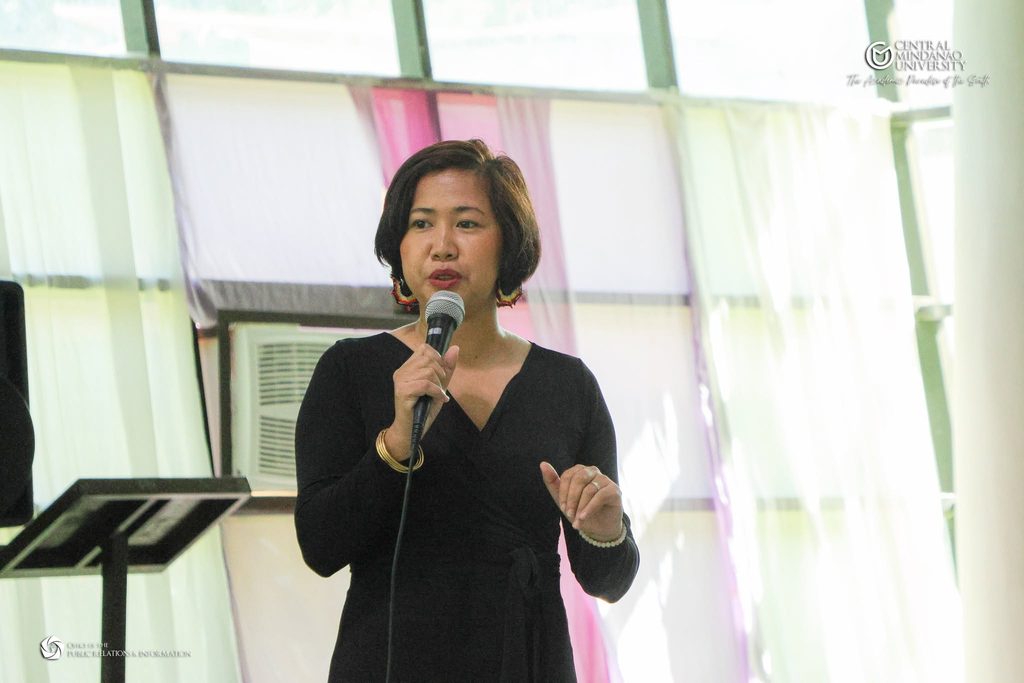
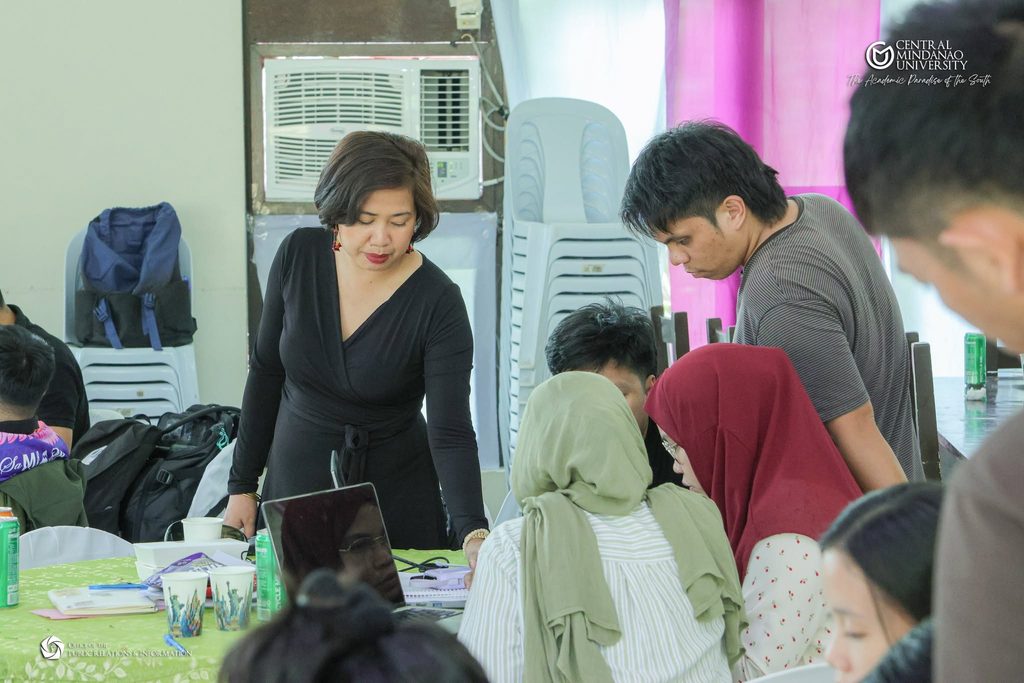
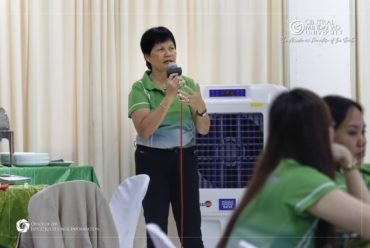
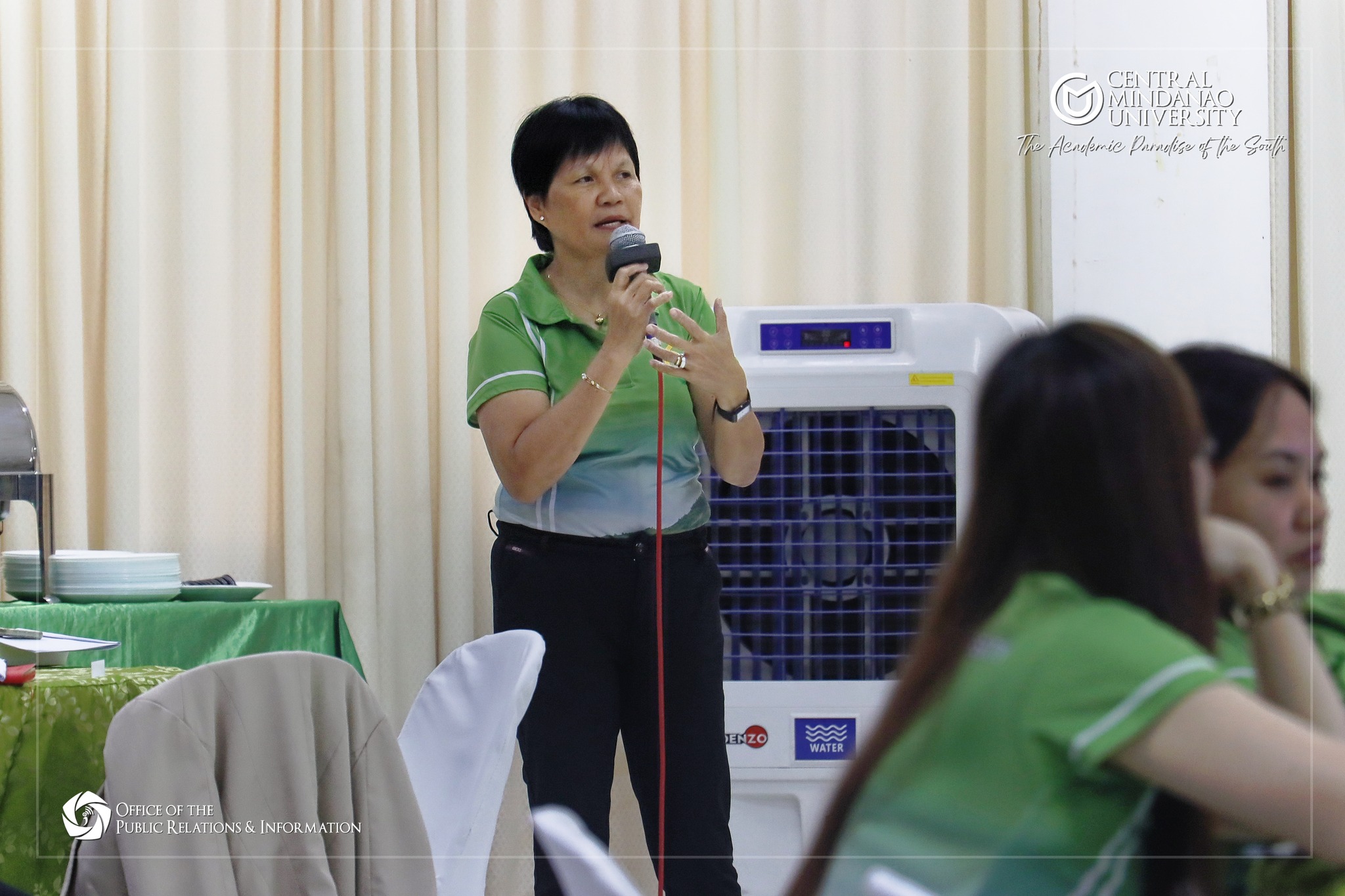
Information Officer Iyren Dalipe-Neri served as a resource speaker for sessions on Integrated Marketing Communication (IMC), investment storytelling and project packaging, and communication protocols for external engagement. The sessions aimed to strengthen MIADP personnel’s capacity to communicate development priorities effectively, engage potential partners, and mobilize support for interventions in Indigenous Peoples communities.
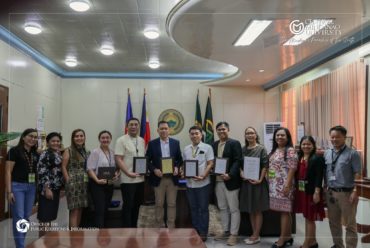
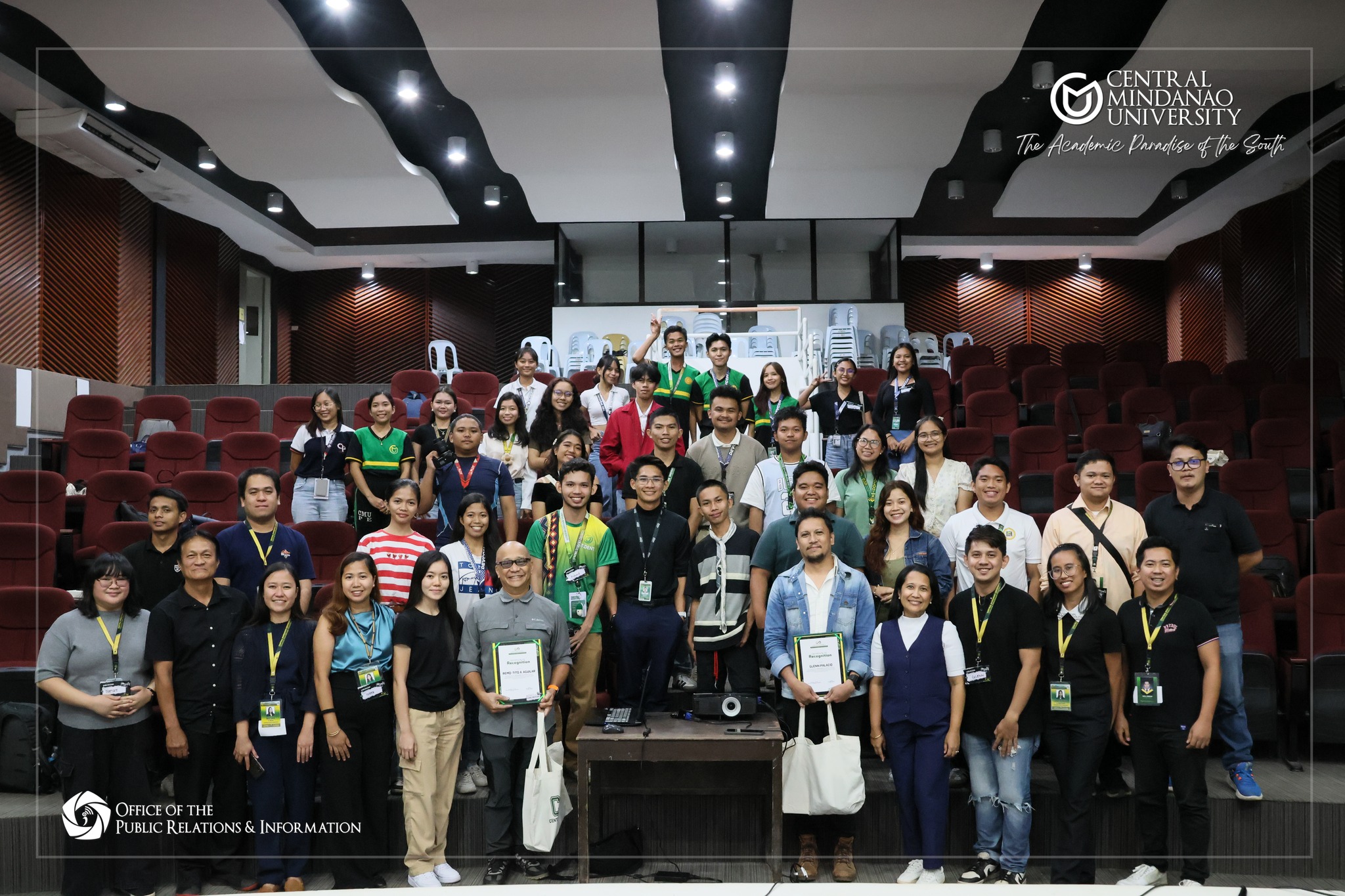
The training gathered personnel from the MIADP Project Support Office (PSO) and Regional Project Coordination Offices (RPCOs) X, XI, XII, and XIII, including the Bangsamoro Autonomous Region in Muslim Mindanao (BARMM).
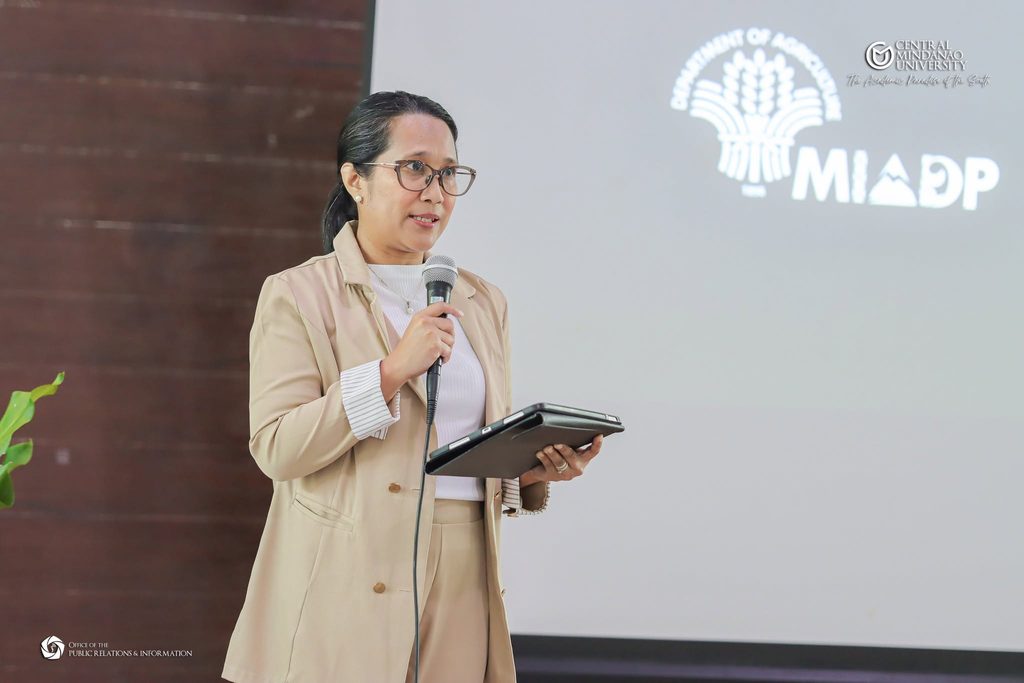
In her welcome message, OPRI Director Mayflor D. Prantilla-Arambala welcomed the delegation and expressed appreciation for MIADP’s partnership with the university. She emphasized the importance of communication in presenting development priorities, packaging project proposals, and turning funding gaps into investment opportunities.
Neri’s sessions covered the development communication perspective in understanding MIADP, social marketing and strategic communication for social good, and IMC approaches for selecting appropriate communication strategies based on defined objectives. Discussions also highlighted audience engagement, message development, and the importance of choosing the right communication channels.
For the resource mobilization component, Ms. Hiedy S. Cañete of the Northern Mindanao Consortium for Agriculture, Aquatic and Natural Resources Research and Development (NOMCAARRD) discussed resource mobilization and investment programming, including funding opportunities and convergence pathways.
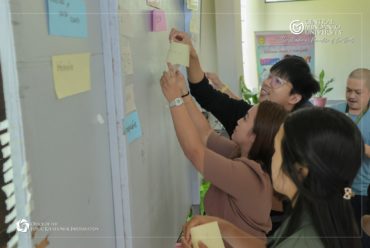
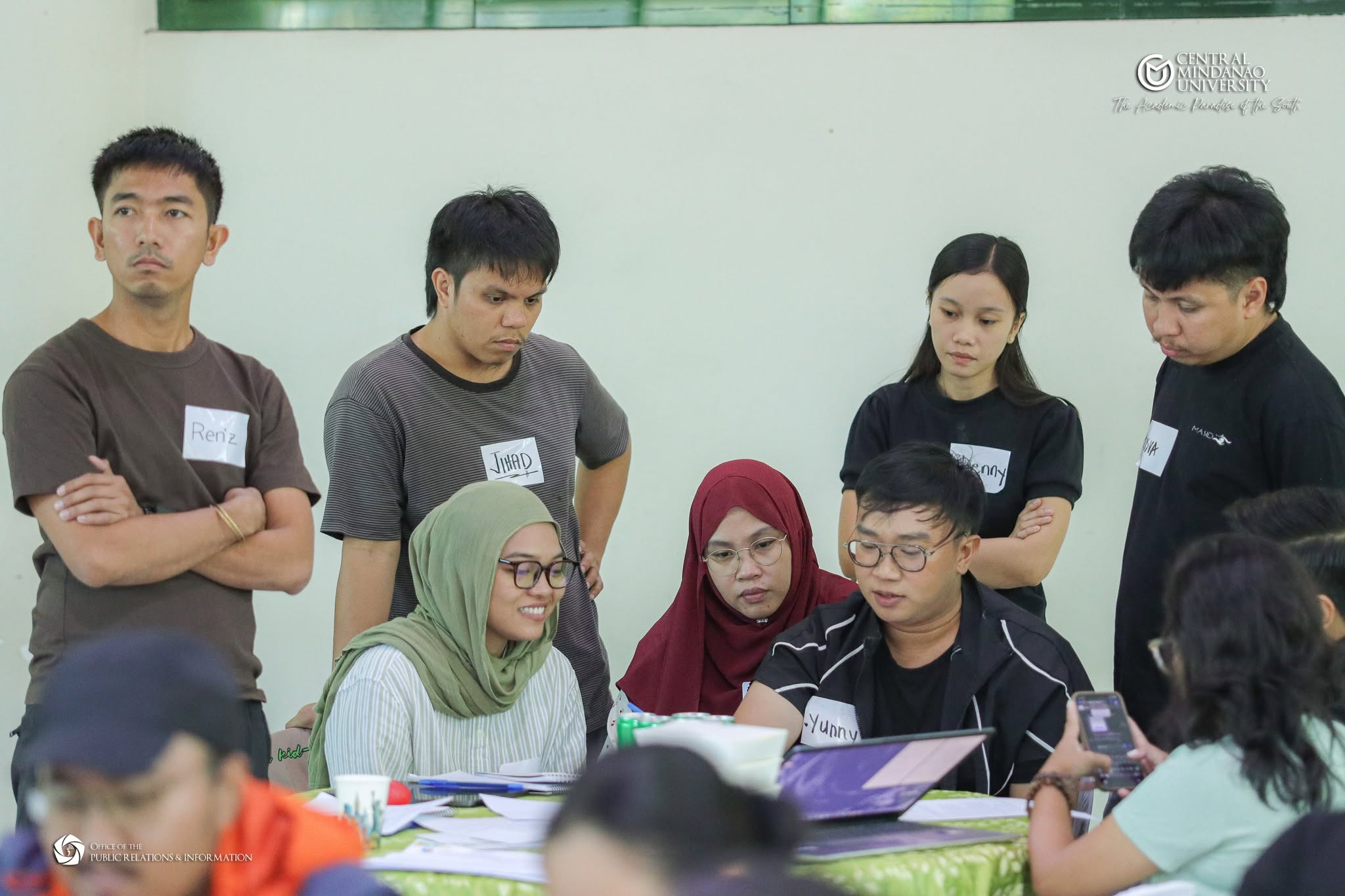
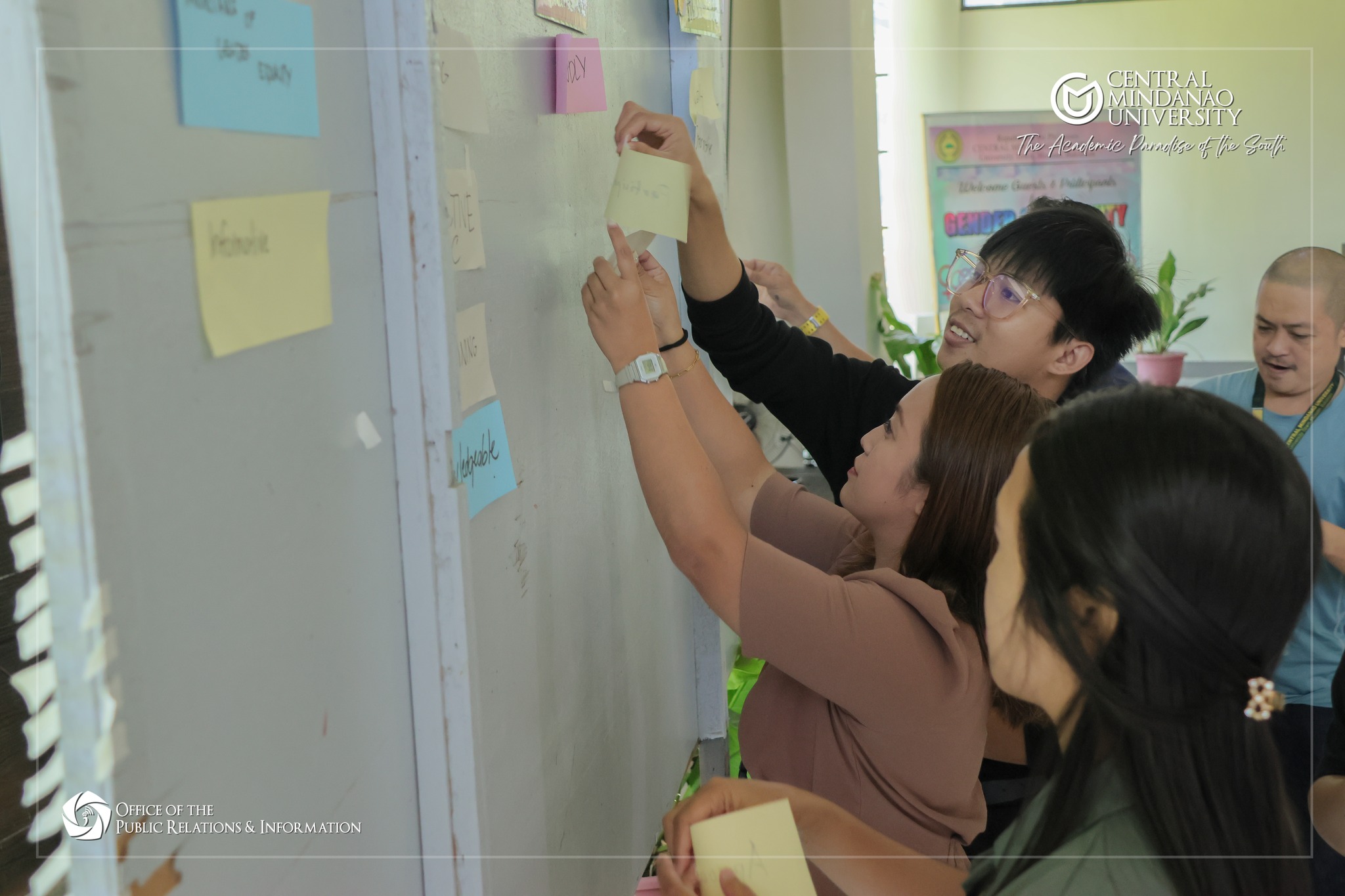
The sessions were complemented by practical activities in which participants developed investment briefs and presented proposed projects through mock pitching before a panel representing national government agencies, a mayor, a development partner, and a private company. Participants also prepared convergence-fit worksheets and six-month engagement and convergence roadmaps.
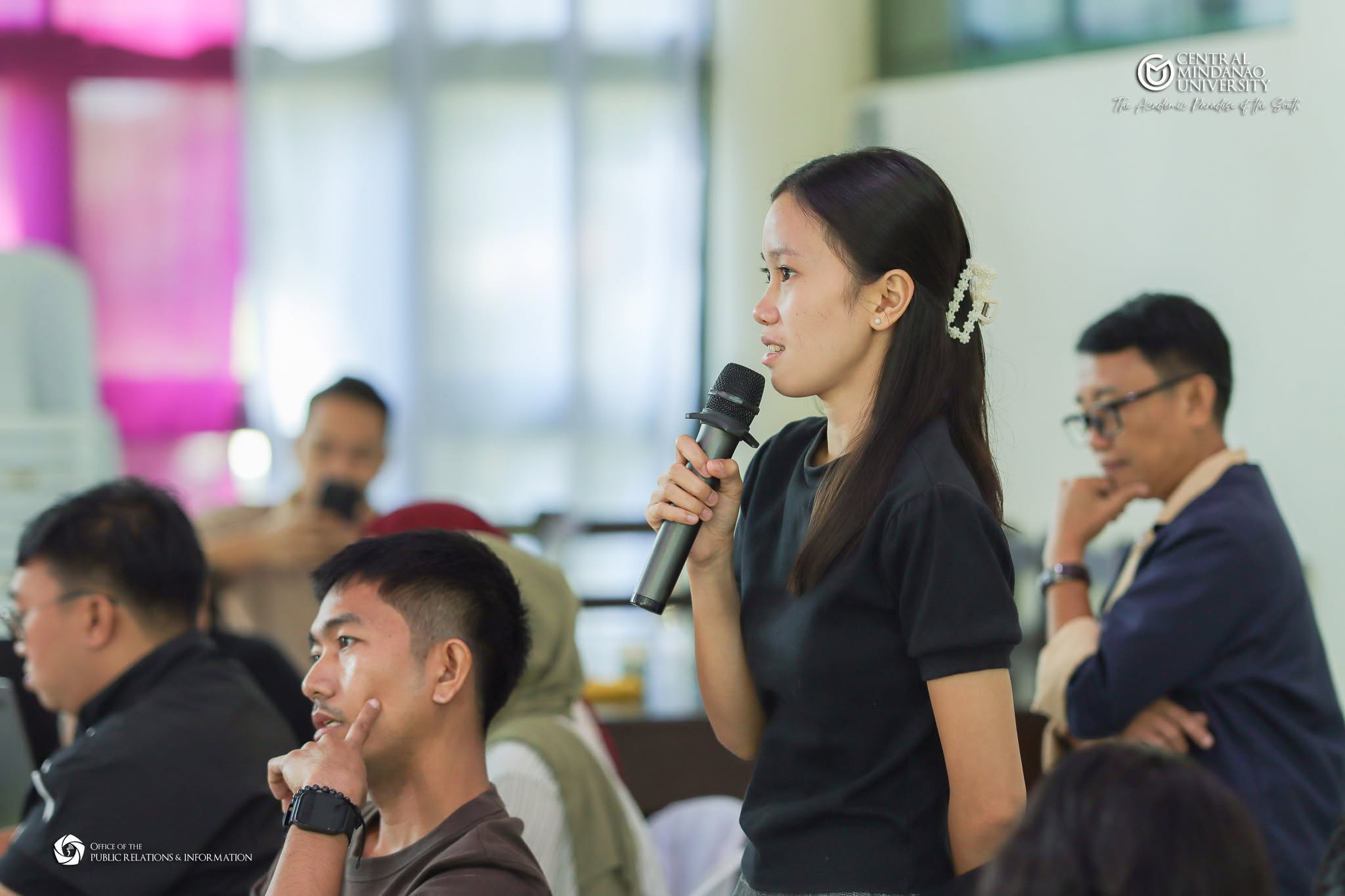
Moreover, Ms. Chenny May Ubal-Ubal, Local Project Management and Implementation Unit (LPMIU) staff from Malitbog, Region X, shared her appreciation for the training, describing it as her first opportunity to attend this type of capacity-building activity.
She said the sessions helped her learn techniques and approaches for communicating more effectively, particularly in selecting the appropriate message and communication channel for a specific audience and purpose.
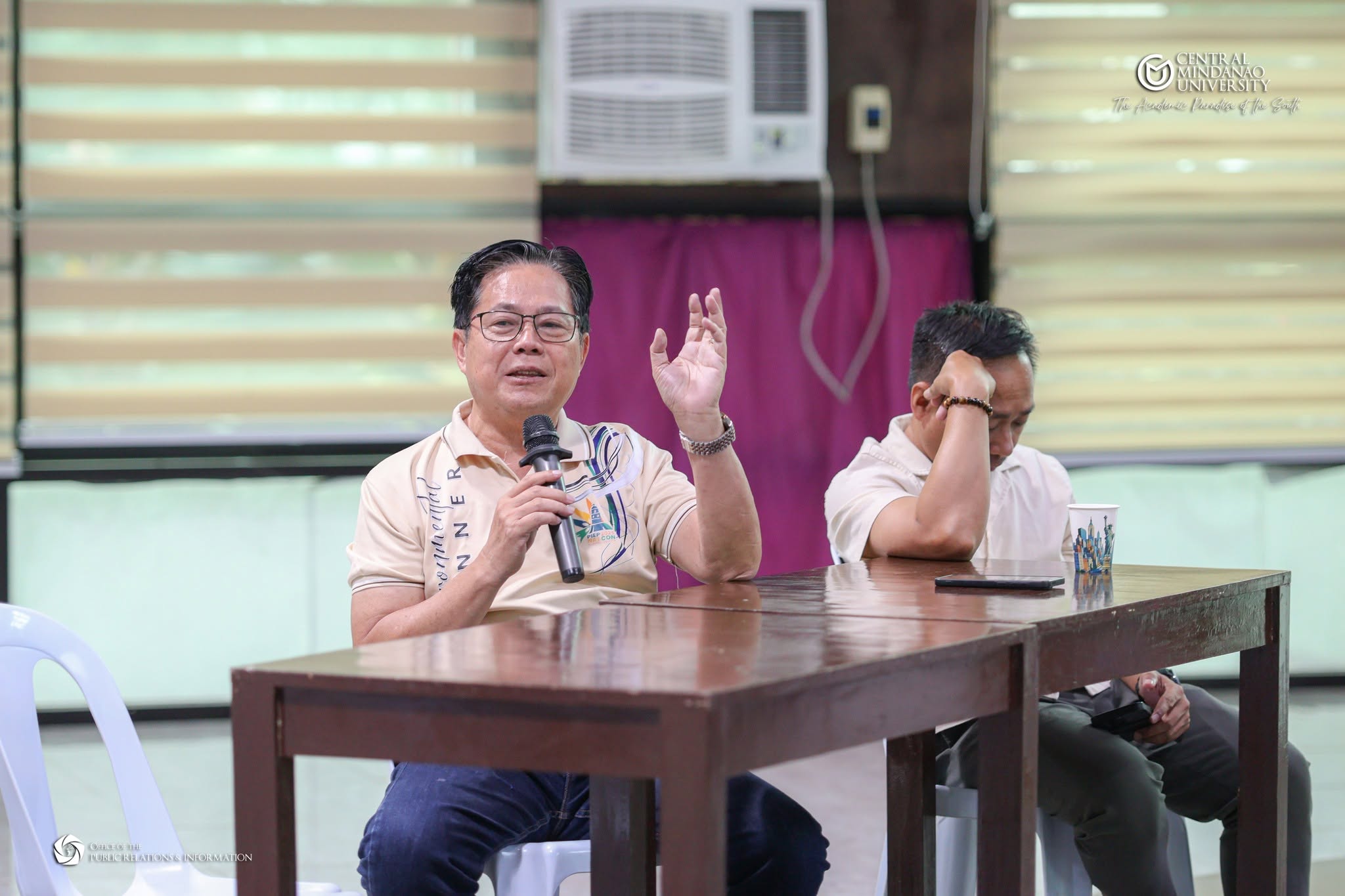
MIADP-PSO Component 1 Head Dr. Rey Navacilla also recognized the resource speakers’ knowledge and the relevance of their modules to supporting Indigenous Peoples communities. He expressed confidence in the subprojects scheduled for pitching following the training.
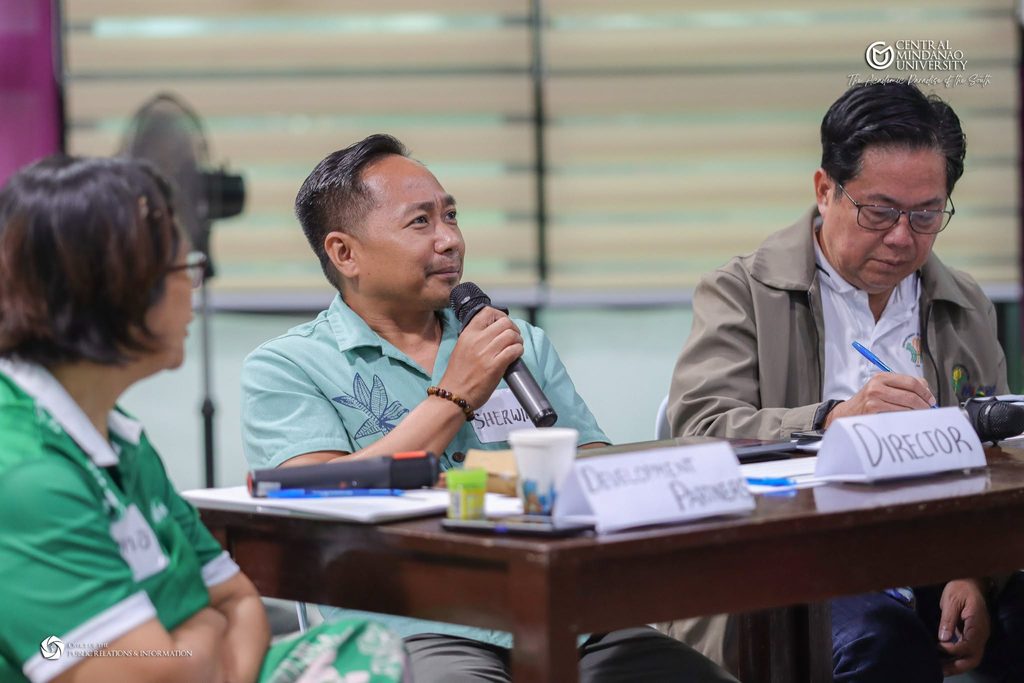
PSO Procurement Unit Head and Communications Focal Person Mr. Sherwin Manual emphasized the relevance of the training as the project reaches its midterm stage. He underscored the importance of strengthening communication teams’ ability to determine what message to convey, who should deliver it, and which platform is most appropriate.
Meanwhile, the MIADP team expressed interest in tapping OPRI’s communication expertise again for future capacity-building activities, particularly on grassroots communication for engagements involving their partner communities.
The proposed future engagements are intended to further strengthen how MIADP communicates with communities and stakeholders, helping ensure that development initiatives are conveyed in accessible, relevant, and culturally appropriate ways.
As part of the continuing partnership, CMU and MIADP are working on the finalization of a proposed Memorandum of Understanding (MOU) or Memorandum of Agreement (MOA) to provide a framework for future collaborative activities.
The collaboration supports Sustainable Development Goal 17 (Partnerships for the Goals) and SDG 2 (Zero Hunger) by supporting efforts to advance agricultural productivity, resilience, and livelihood opportunities in ancestral domains. [Iyren Dalipe Neri]