CMU PhD student advances research at Thailand’s Mahidol University through Sandwich Program
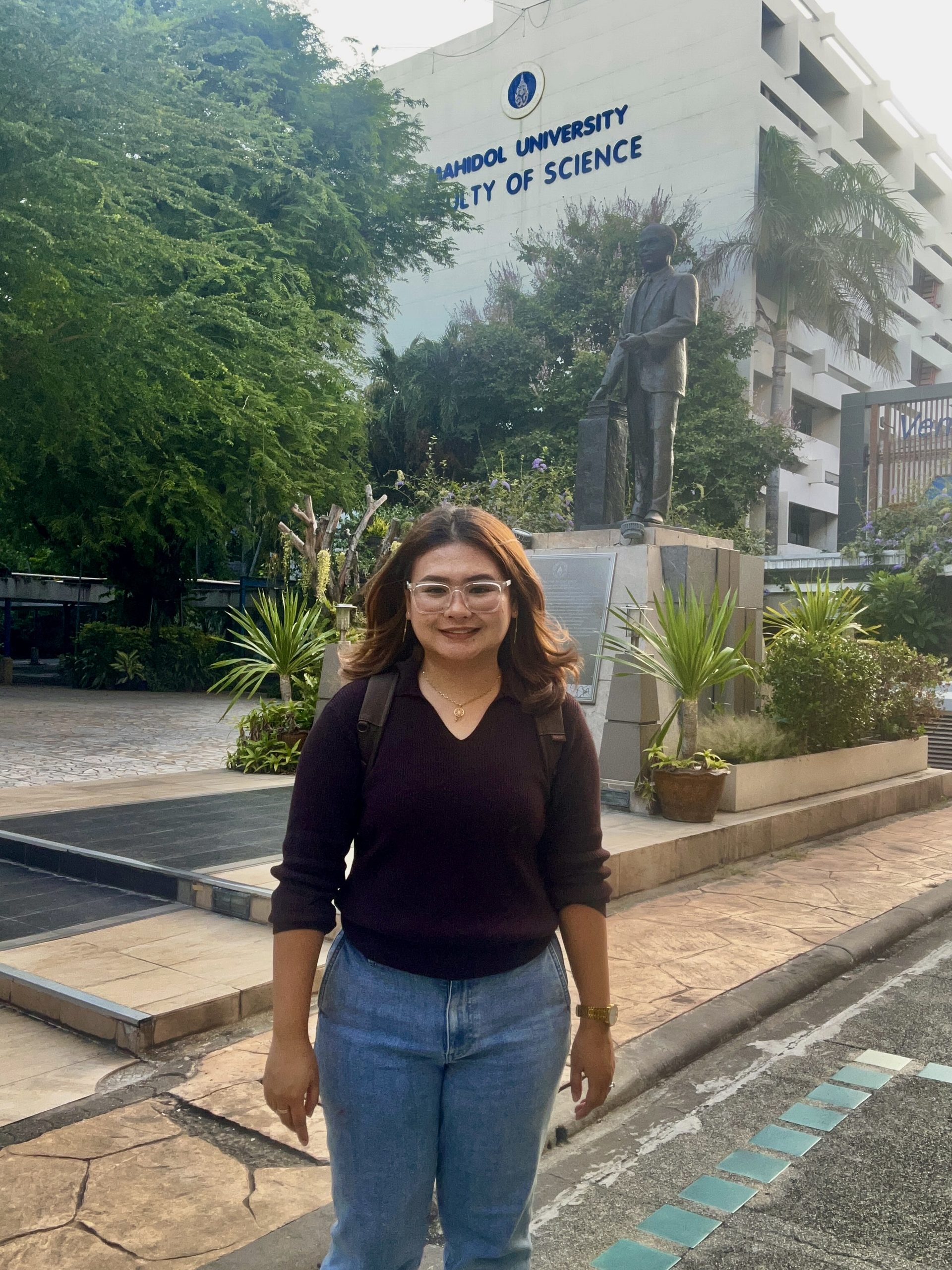
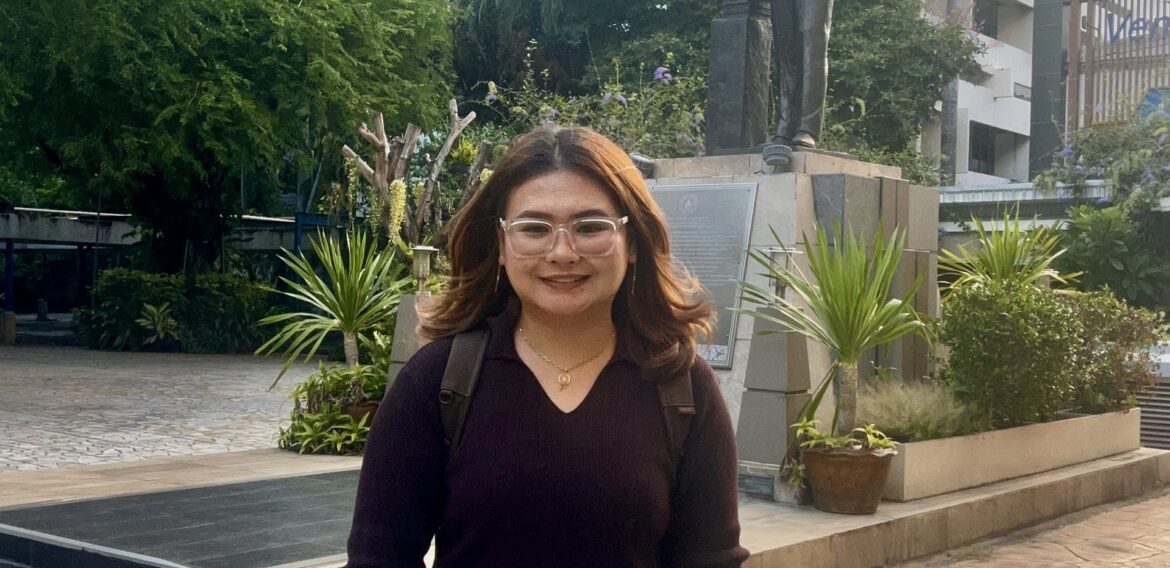
Ms. Kristina Casandra L. Pava, a PhD student in Biology major in Molecular Biology and Biotechnology at Central Mindanao University (CMU), is currently completing a prestigious 3-month research Sandwich Program at Mahidol University in Bangkok, Thailand, from August 17 to November 10, 2026.
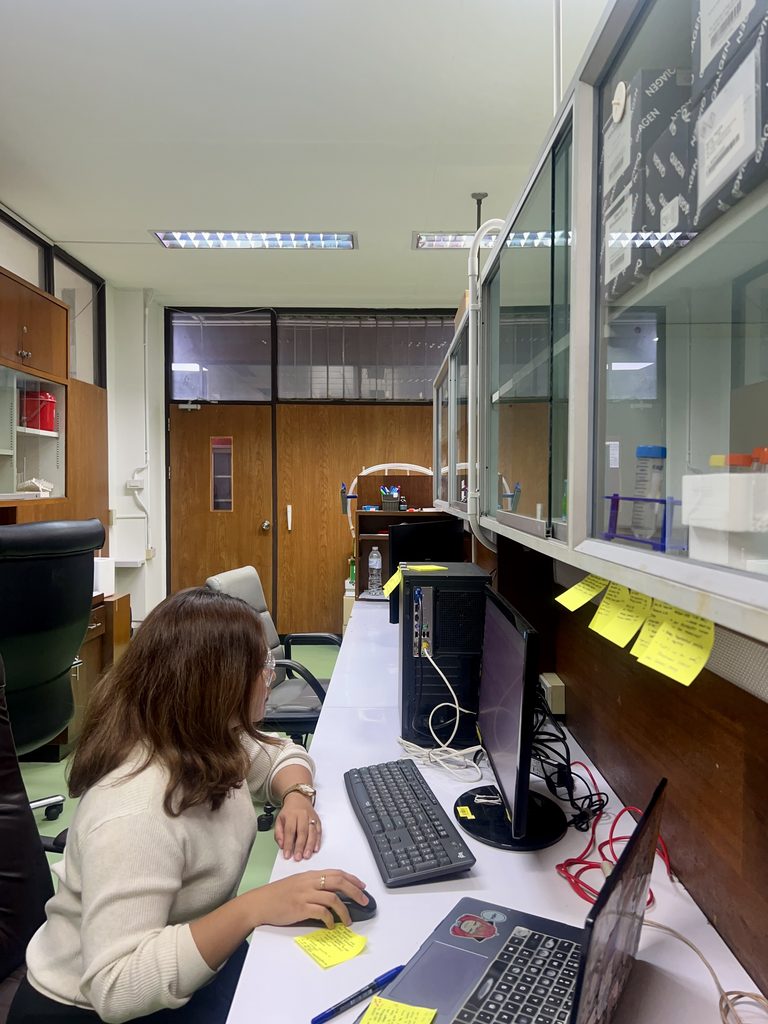
Ms. Pava is conducting her research under the supervision of Dr. Vorthon Sawaswong at the Department of Biochemistry, Faculty of Science, Mahidol University. Her study focuses on the whole-genome sequence analysis and safety assessment of Lactiplantibacillus plantarum BNA1, a probiotic strain isolated from puso ng saging (banana blossom) of Saba (Musa acuminata x balbisiana).
The research placement is supported by the Department of Science and Technology (DOST) through the Science and Technology Regional Alliance for National Development (STRAND) Scholarship under the Research Enrichment Program (REP). Commonly known as the “Sandwich” Program, the DOST-REP provides graduate scholars with financial support to conduct a portion of their thesis or dissertation research at a foreign university or research institution.
The support covers key components of the research mobility experience, including pre-departure assistance, airfare, transportation, and living expenses. During her stay at Mahidol University, Ms. Pava has been engaged extensively in computational biology and bioinformatics, particularly in the analysis of whole-genome sequence data. Her work includes genome assembly and annotation using bioinformatics tools such as Bakta and Prokka, as well as pangenome analysis using Roary, Panaroo, and the Pan-Genome Analysis Pipeline (PGAP) through command-line workflows.
She has also conducted single-nucleotide polymorphism (SNP) analysis and mined genomic data for genes associated with probiotic characteristics, antimicrobial resistance, bacteriocin production, and other genomic features relevant to the safety and functional potential of her probiotic candidate. The research activities have allowed Ms. Pava to make considerable progress toward her dissertation objectives, with many of the planned analyses already substantially completed.
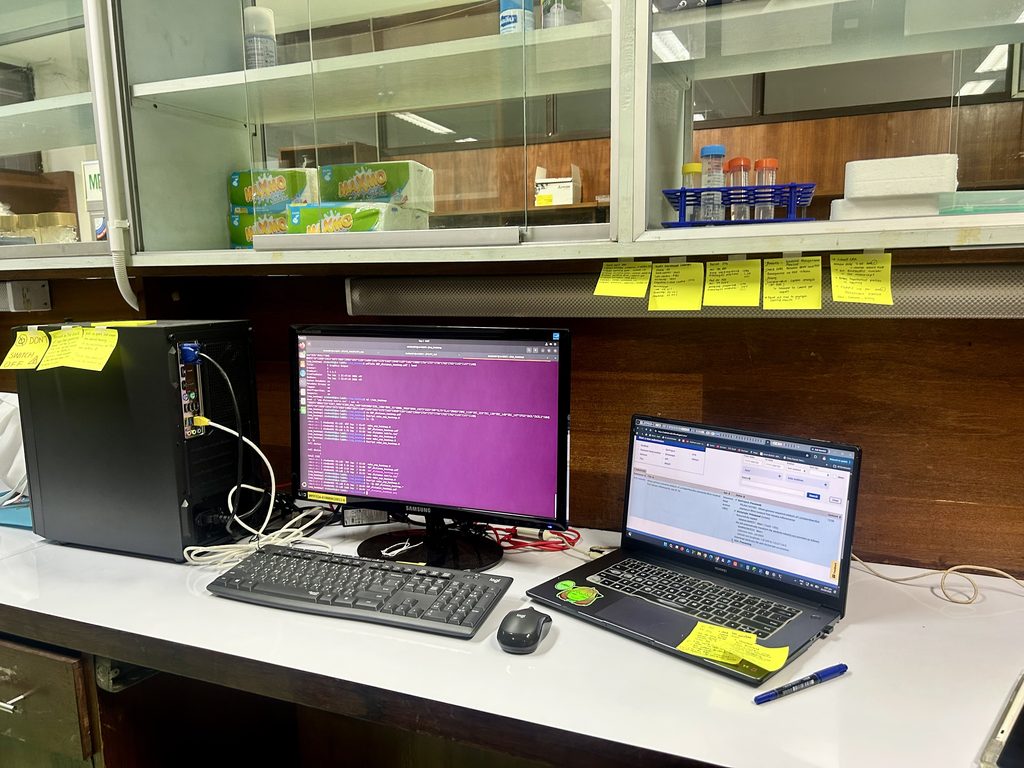
More importantly, the experience has strengthened her ability to independently work with large genomic datasets and integrate information from different bioinformatics approaches to develop a more comprehensive understanding of her probiotic candidate. The increasing accessibility of whole-genome sequencing and other high-throughput technologies has made it possible to generate enormous amounts of biological data, creating a corresponding need for researchers who can analyze, interpret, and translate these data into meaningful biological insights. Advances in artificial intelligence and data- driven science are further expanding the possibilities of bioinformatics, making genome- based approaches increasingly relevant to contemporary research.
For Ms. Pava, developing these skills is particularly valuable as her research requires extensive analysis of genomic information that would otherwise be difficult to examine through laboratory methods alone. As one of the CMU scholars granted the DOST-REP opportunity, Ms. Pava hopes that more graduate scholars from CMU will be given similar opportunities to conduct research abroad.
She also sees the program as a potential starting point for stronger collaboration between CMU and Mahidol University, particularly in bioinformatics and omics-based research. Such collaboration could provide opportunities for knowledge exchange and strengthen CMU researchers’ capacity to analyze large biological datasets, particularly in areas where access to specialized computational resources and expertise remains limited.
The program demonstrates the value of internationalization in graduate education by allowing researchers to gain specialized skills, establish international research networks, and bring new approaches back to their home institutions. Through this experience, Ms. Pava hopes to return to CMU with knowledge that can contribute something new to the scientific community and provide a foundation for future research, collaboration, and discovery.
This research aligns with SDGs 2 (Zero Hunger), 3 (Good Health and Well-being), 9 (Industry, Innovation, and Infrastructure), and 17 (Partnerships for the Goals). [Information from the Office of International Relations]