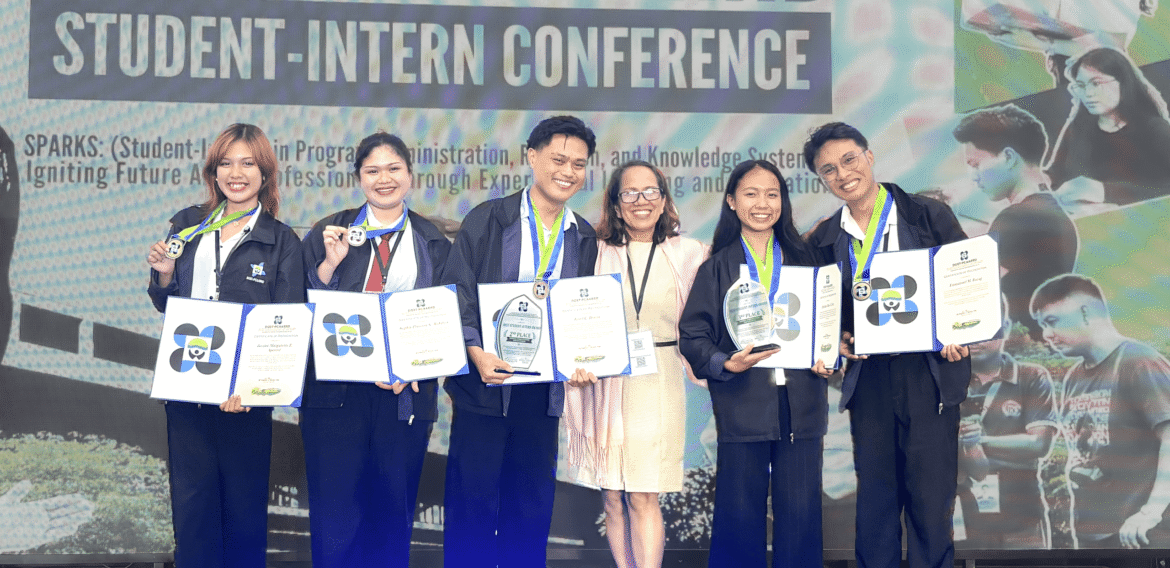
CMU DevCom interns earn top honors at first DOST-PCAARRD Student-Intern Conference
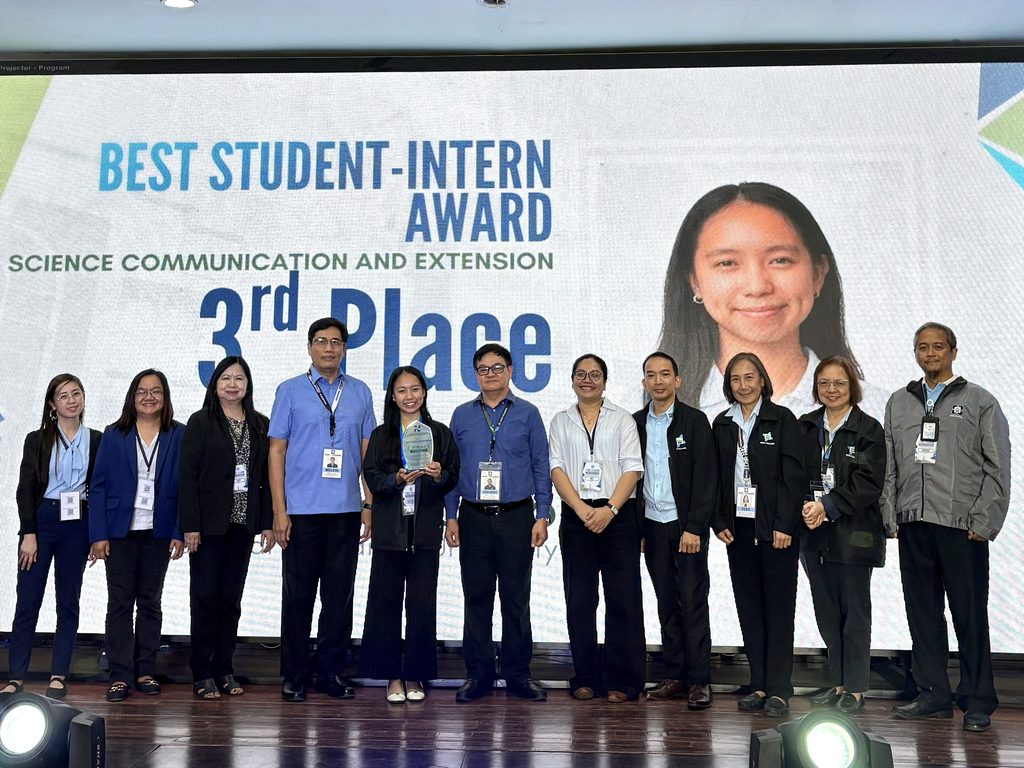
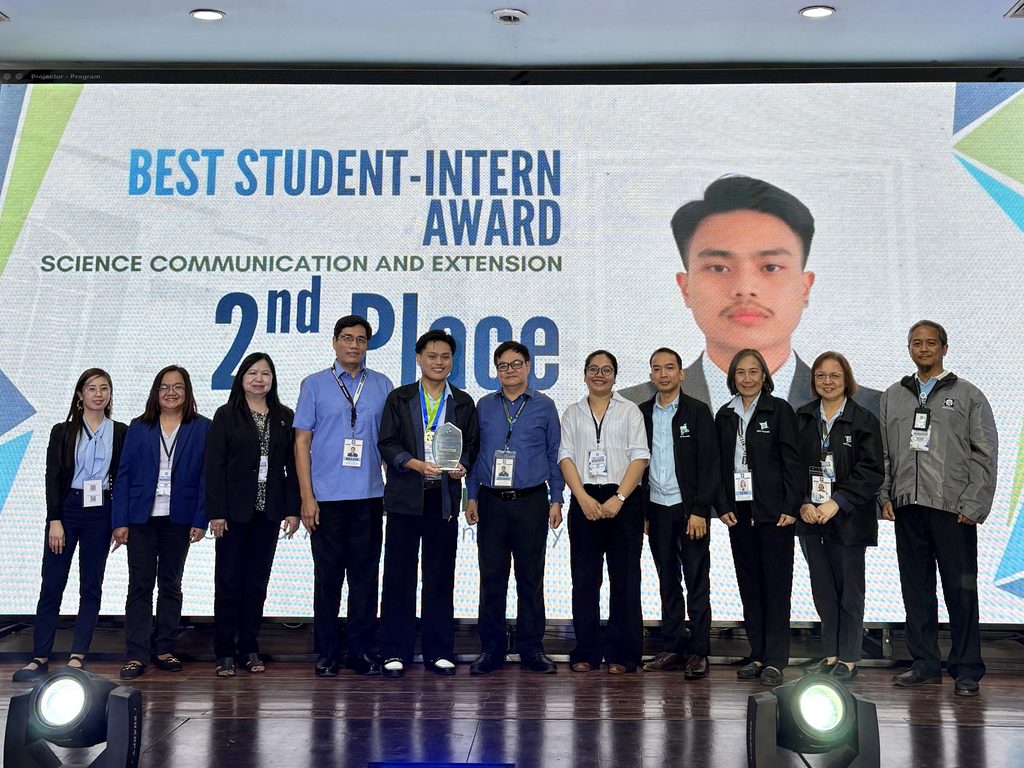
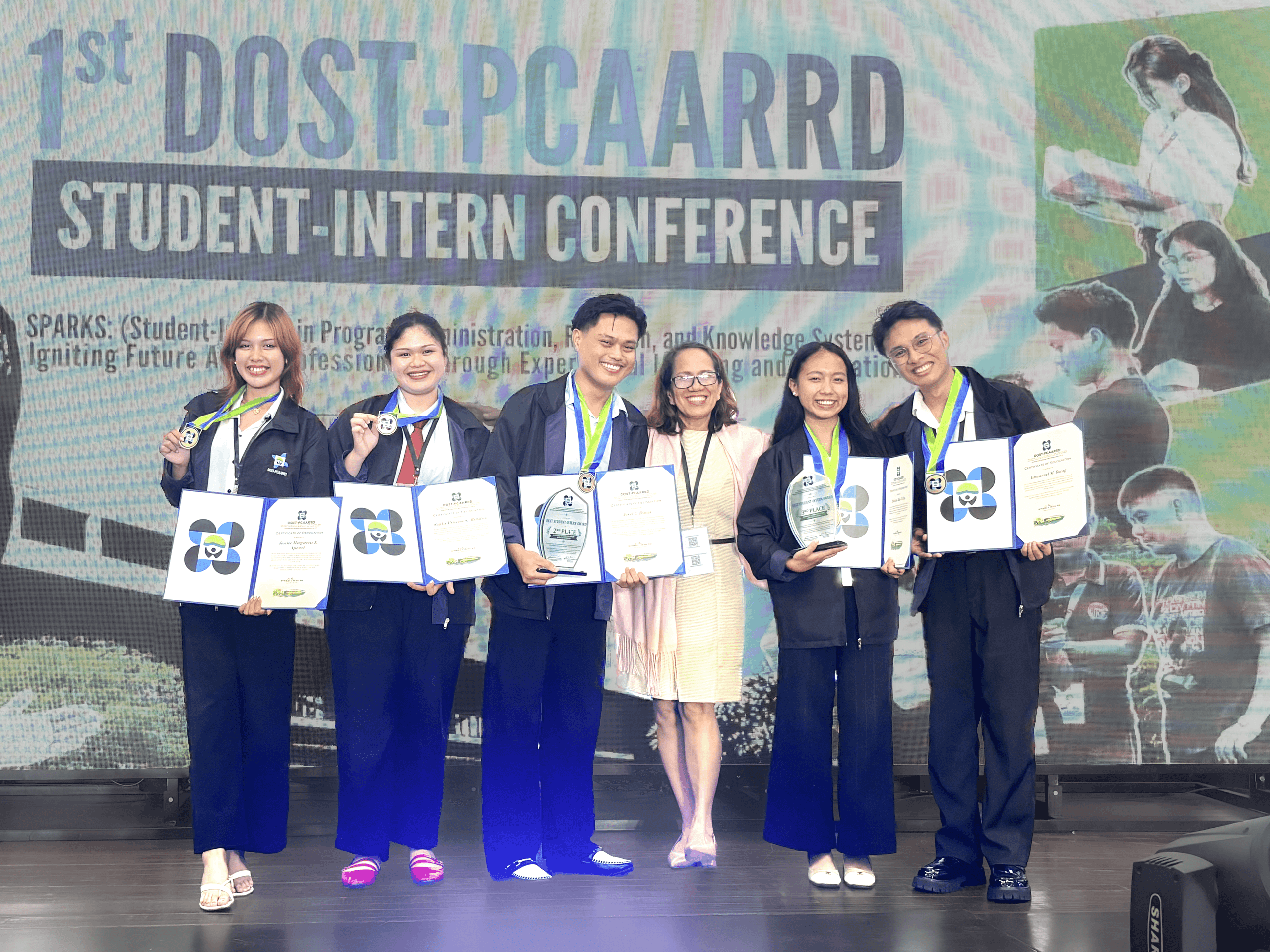
Two Development Communication (DevCom) students from Central Mindanao University (CMU) won the Best Intern award under the Science Communication and Extension category during the first Department of Science and Technology–Philippine Council for Agriculture, Aquatic and Natural Resources Research and Development (DOST-PCAARRD) Student-Intern Conference on October 21, 2026, at Dr. Elvira O. Tan Hall in Los Baños, Laguna.
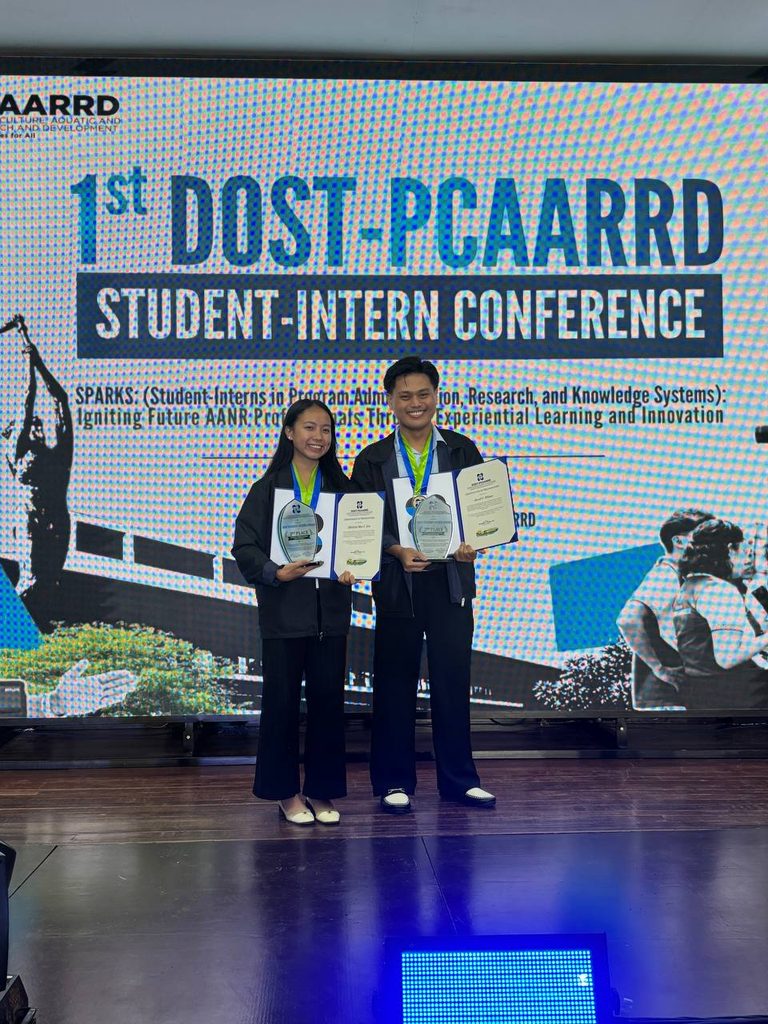
Jovel C. Dimas placed second, while Jhielton Mae C. Ero secured third place, recognizing their performance and contributions during their internship at the Department of Science and Technology–Philippine Council for Agriculture, Aquatic and Natural Resources Research and Development (DOST-PCAARRD).
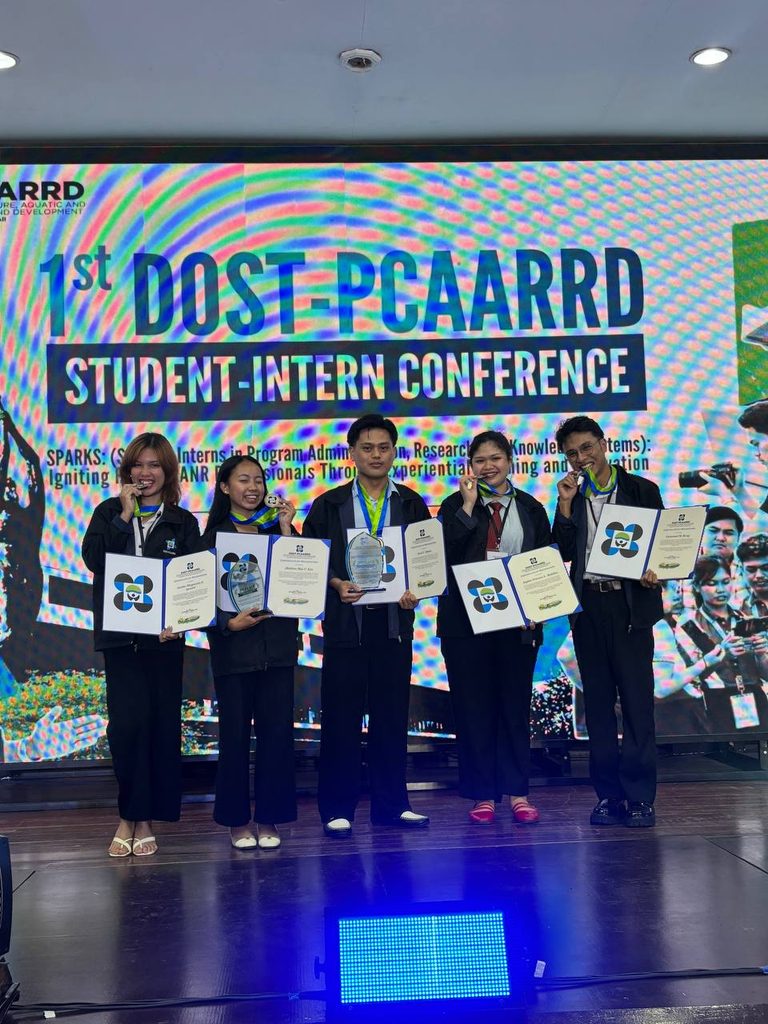
The five CMU DevCom interns—Justine Margarette E. Apostol, Emmanuel M. Bucag, Dimas, Ero, and Sophia Princess S. Rubillos—presented their internship outputs and learning experiences during the conference. They were accompanied by their coordinator, Dr. Lucerne M. Razalo, who also served as an evaluator for the Research Management and Policy Advocacy category.
The recognition followed the students’ completion of their 200-hour internship under DOST-PCAARRD’s Applied Communication Division (ACD), where they gained hands-on experience in science communication, knowledge management, and public service.
In July 2026, the interns presented their communication research titled “Assessing the Effectiveness of DOST-PCAARRD’s Lakbay Galing and Saribuhay YouTube Thumbnails in Terms of Design and Acceptability.” They also presented their internship journey under the theme “Agham na Ramdam: Exploring the Role of Development Communication in Bridging Science and Society at DOST-PCAARRD.”
Through their internship, the students developed workplace competencies in technical writing, documentation, multimedia production, teamwork, time management, and professional communication while gaining a deeper appreciation of how development communication makes research-based knowledge accessible and relevant to communities.
In online interviews following the conference, the interns reflected on how the experience shaped their understanding of science communication and their roles as future DevCom practitioners.
Dimas emphasized that communication should go beyond disseminating information and create meaningful connections with the people it serves.
“Communication is not just about sharing information; it is about making people feel seen, heard, and valued,” Dimas said, describing one of the most important lessons he would carry into his future career.
Ero, meanwhile, highlighted the responsibility of development communicators to connect scientific research with people’s everyday experiences.
“As a future DevCom practitioner, I have learned that our true calling is to bridge research and reality, making science meaningful and relevant to every Filipino,” Ero said, underscoring the principle of “Agham na Ramdam.”
The other interns also shared how the experience strengthened their professional confidence and personal growth. Apostol reflected on discovering her purpose as a future DevCom practitioner, while Rubillos emphasized the value of collaboration, mentorship, and making knowledge more accessible. Bucag highlighted the importance of responsibility, teamwork, humility, and continuous learning.
The interns expressed gratitude to DOST-PCAARRD, particularly its Applied Communication Division, and to Dr. Razalo for providing guidance and a supportive environment throughout their internship.
They also acknowledged the support of CMU President Dr. Rolito G. Eballe, College of Humanities and Social Sciences Dean Dr. Eva N. Mendoza, and Department of Development Communication Chairperson Dr. Mahalia M. Acuña, as well as DOST-PCAARRD Executive Director Dr. Reynaldo V. Ebora and ACD Director Dr. Marita A. Carlos.
The conference marked another milestone in the students’ development as future science communicators, reinforcing the role of development communication in bridging scientific research and society. Their experience contributes to the pursuit of Sustainable Development Goal 4 (Quality Education) and SDG 17 (Partnerships for the Goals). [Iyren Dalipe Neri with information from the Department of Development Communication]