

CMU child-minding initiative earns 3rd Best Paper Award at International Conference
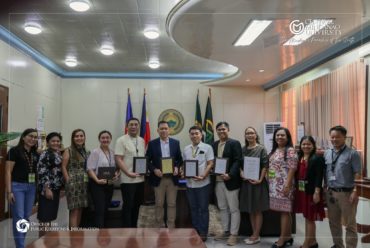
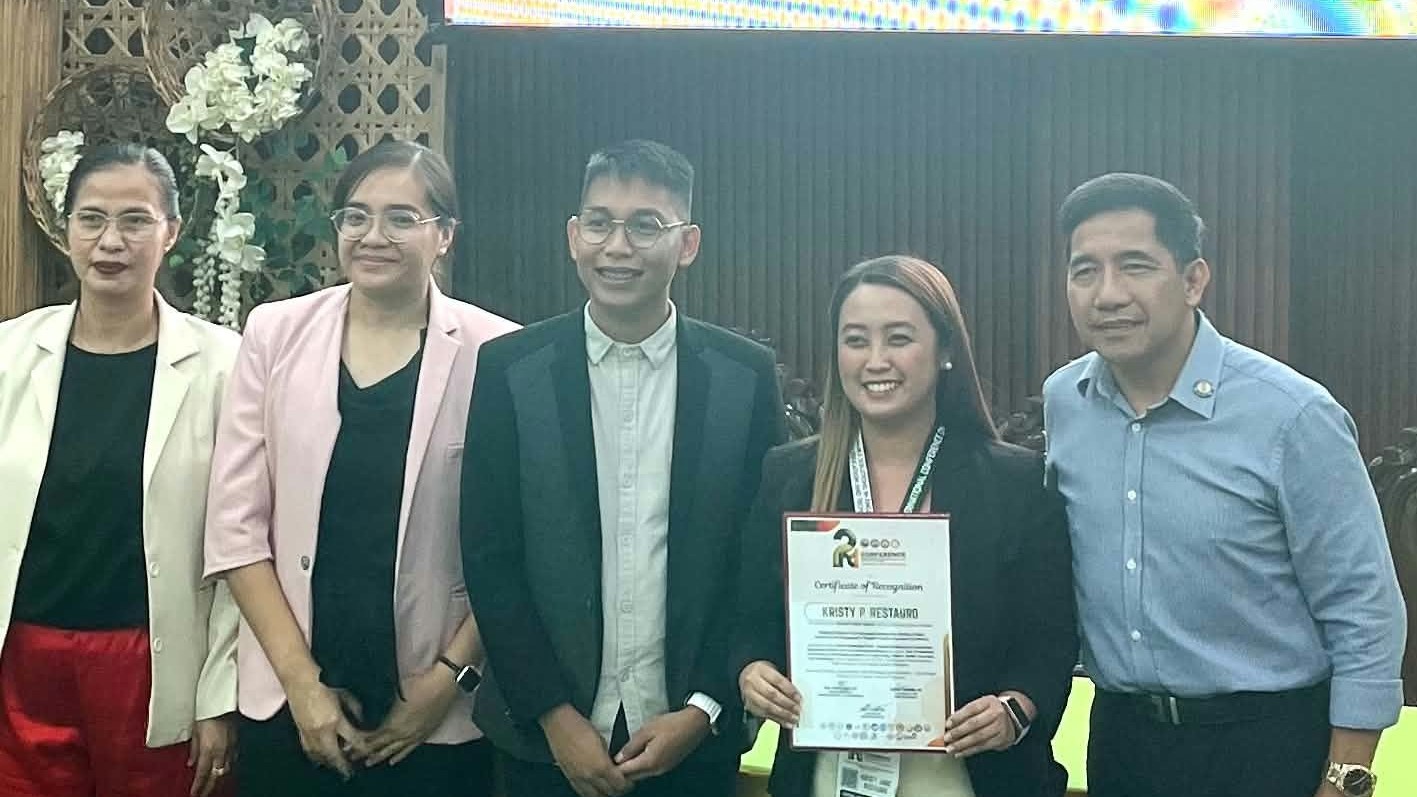
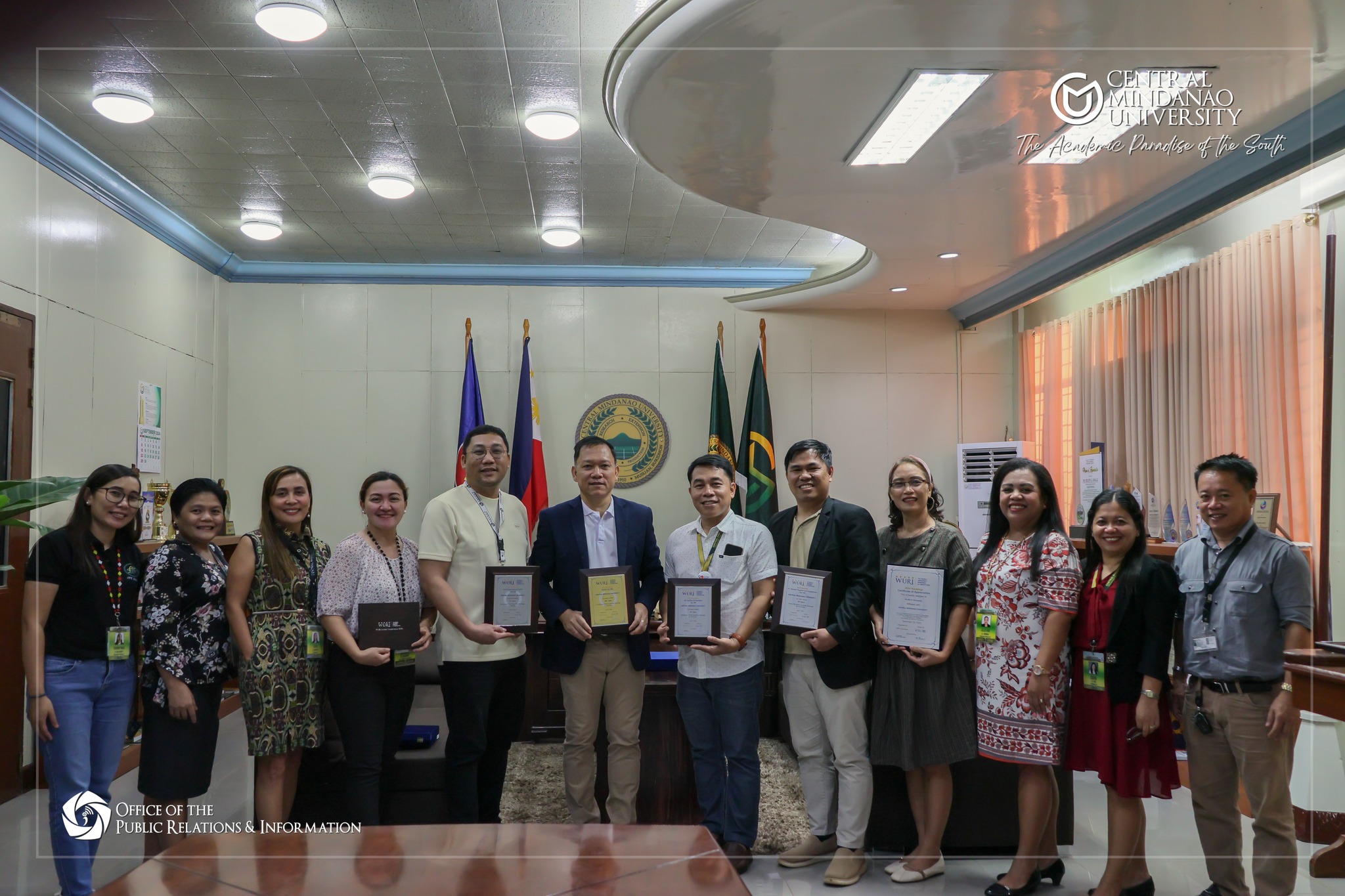
A seven-year institutional journey toward a more inclusive and care-responsive campus has earned international recognition, with a research paper documenting Central Mindanao University’s child-minding initiative winning the 3rd Best Paper Award at the 2nd International Conference on Sustainable Solutions in Engineering, Science, Health, Education, and Technology (ICSS-ESHET).
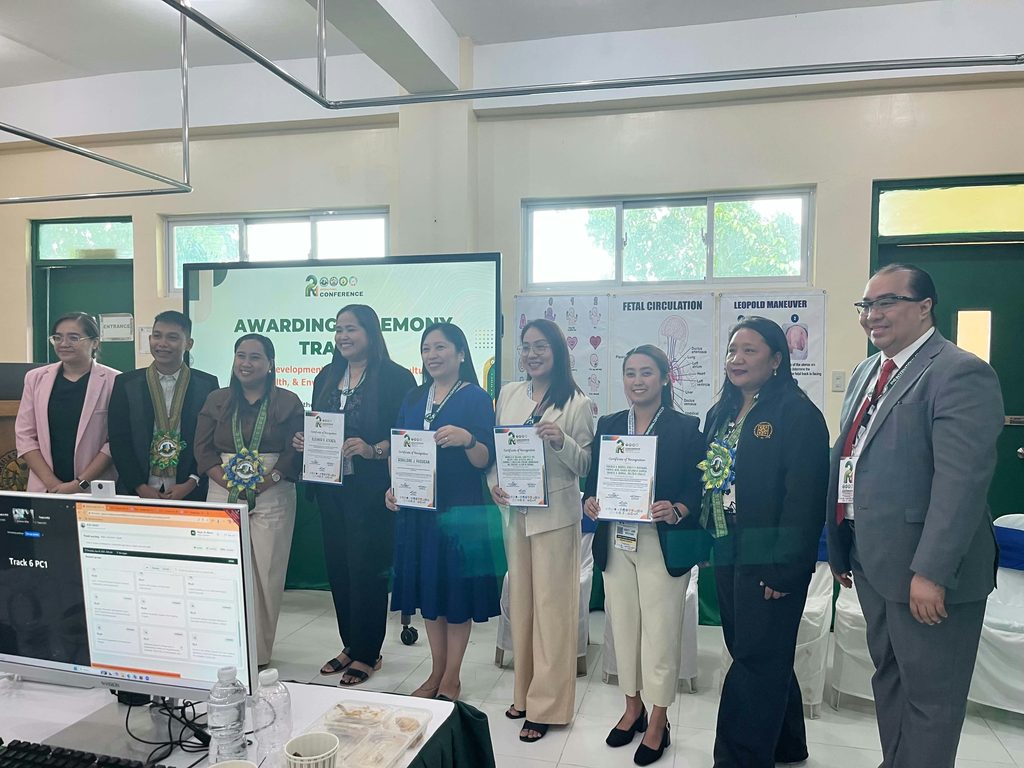
The paper, “Bridging Childcare and Academia: A Narrative Analysis of Multi-Generational Workspaces in Philippine Higher Education,” was presented under Track 6: Extension Track – Human Development, Sustainable Agriculture, Health, and Environmental Resilience during the conference held on September 23–25, 2026, at the Isabela State University–City of Ilagan Campus, Isabela.
The paper traced the development of CMU’s childcare initiative and examined the institutional, policy, financial, and operational processes that enabled its realization.
The initiative dates back to 2019, when the University broke ground for the University Center for Gender and Development (UCGAD) Building, which included the envisioned Child Facility Center. The planned facility was intended to provide childcare support to parent-employees and students while also creating a learning laboratory for students in relevant academic programs.
Over the succeeding years, the initiative underwent policy development, resource mobilization, and institutional coordination before reaching a major milestone on February 27, 2026, when CMU officially launched its Child-Minding Facility at the UCGAD Building.
The facility provides free, temporary, and structured childcare services for qualified university employees and student-parents, helping them manage caregiving responsibilities alongside work and academic commitments.
The research paper describes how the University addressed systemic, financial, and operational constraints through cross-sectoral collaboration, sustained executive advocacy, and the integration of Gender and Development (GAD) resources.
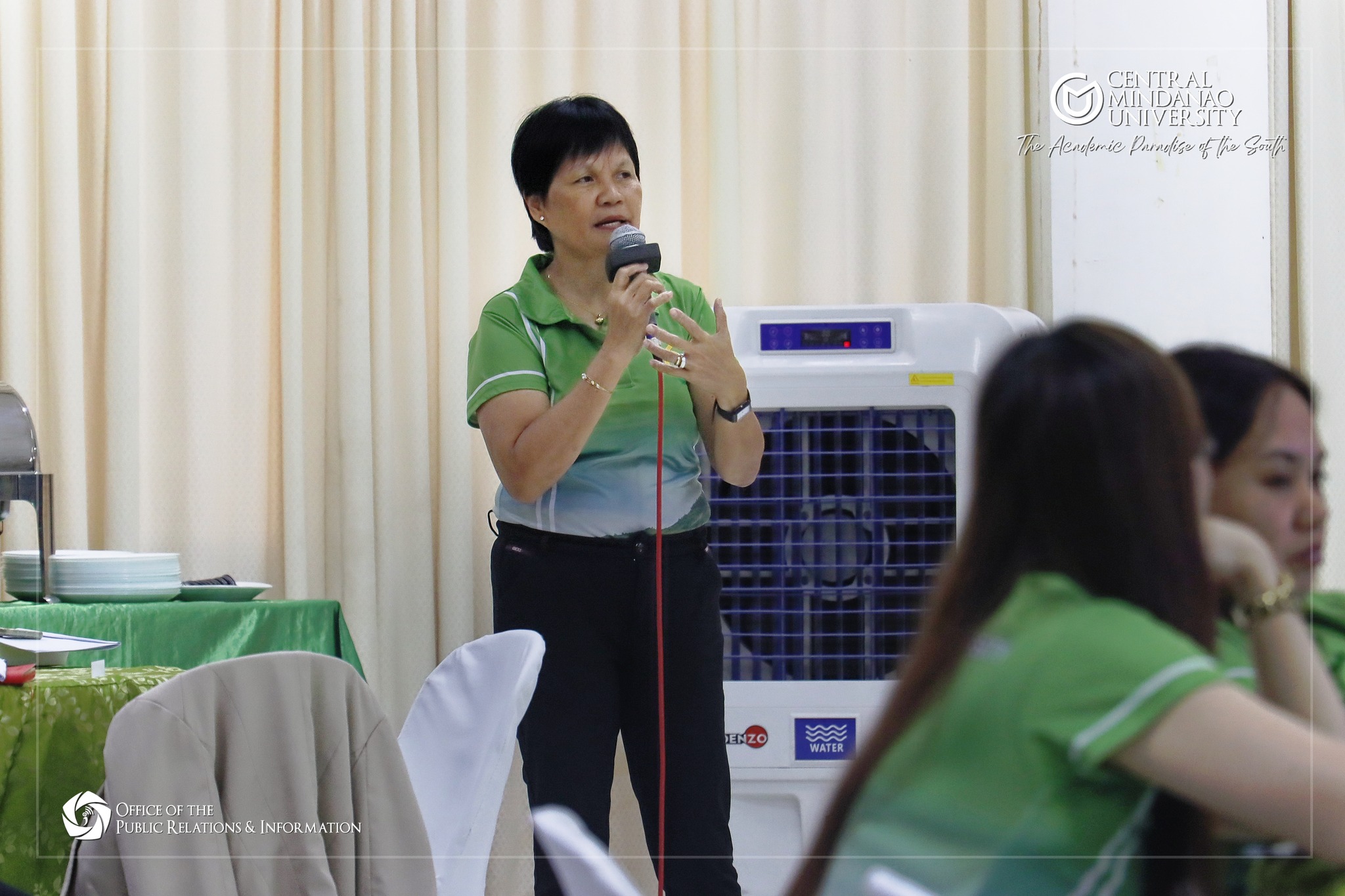
For Dr. Teresita H. Borres, primary author and current Chief of UCGAD, the recognition marks a significant accomplishment of the center and highlights the University’s continuing efforts to establish an inclusive campus environment.
“This paper, which is a jointly authored document of one of the major accomplishments of the University Center for Gender and Development, highlighted our newest milestone: the establishment of the University’s Childcare Facility—a dedicated space offering free services to our valued employees and student-parents,” Dr. Borres said.
She added that the initiative reinforces the University’s commitment to creating an environment that supports work-life harmony and academic success.
Borres also expressed appreciation to the University administration, led by GFPS Chairperson and CMU President Dr. Rolito G. Eballe, for supporting the initiative from its conception to implementation.
The study found that establishing an on-campus childcare facility helped address the caregiving challenges experienced by faculty, administrative personnel, and student-parents. It further positioned childcare as an institutional concern connected to employee welfare, student participation, academic productivity, and gender-responsive governance.
Anchored on Work-Life Balance Theory and the 5R Framework for Decent Care Work, the study examined how CMU recognized caregiving responsibilities, reduced care burdens, redistributed responsibilities, and developed institutional mechanisms to support caregivers.
Beyond providing childcare services, the facility also serves an academic function as a learning laboratory for Bachelor in Early Childhood Education students, while providing field exposure opportunities for students from other relevant programs.
The recognition reflects CMU’s continuing commitment to its mandates on gender-responsive governance, human development, education, and community-oriented institutional support, while contributing to the Sustainable Development Goals (SDGs), particularly SDG 5: Gender Equality, SDG 4: Quality Education, and SDG 8: Decent Work and Economic Growth. [Iyren Dalipe Neri]