
CMU-CEBREM co-leads conservation planning for Nepenthes in Mindanao
A 30-year conservation action plan for Nepenthes in two biodiversity-rich areas in the Philippines is being developed to strengthen the protection, management, research, propagation, and responsible utilization of the country’s pitcher plants and their habitats.
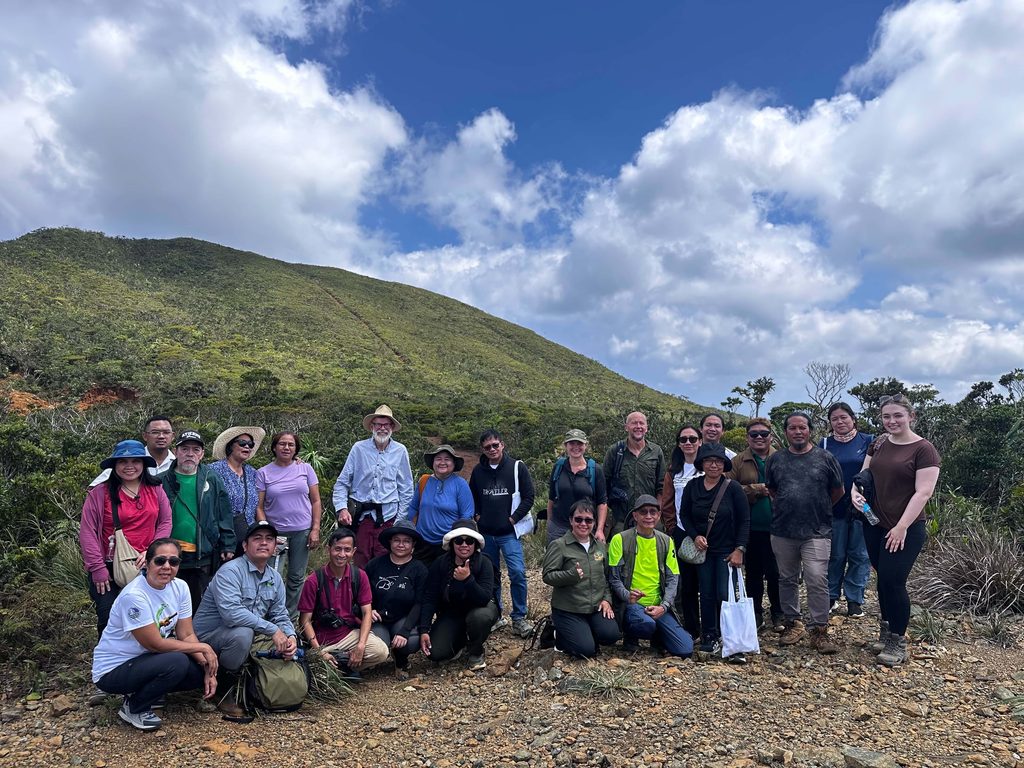
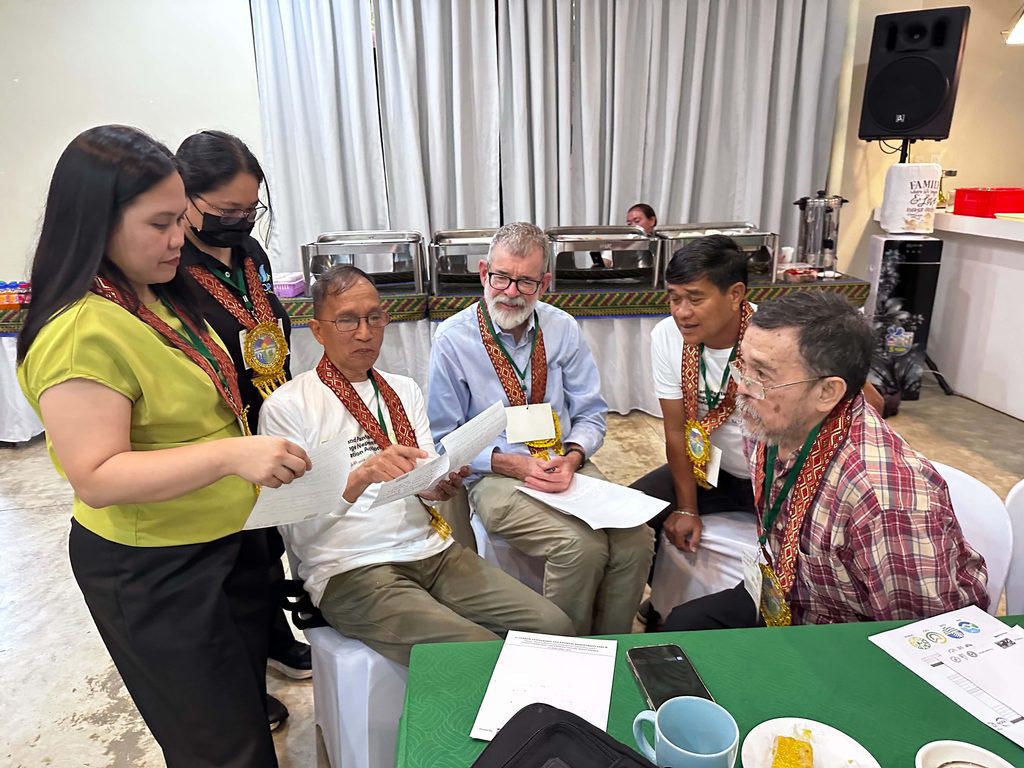
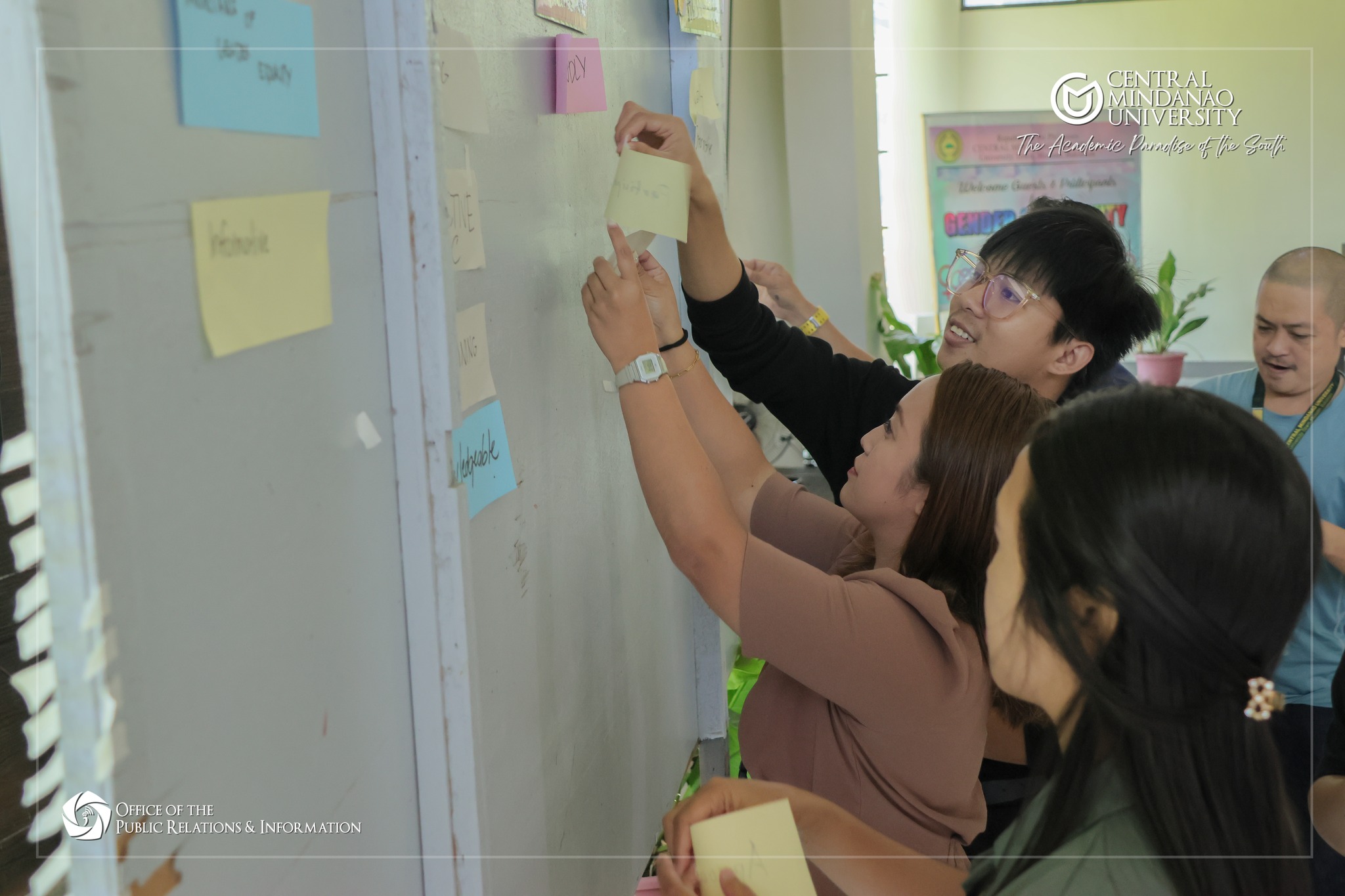
The five-day strategic workshop, held on September 21–25, 2026, in Dinagat Islands, focused on Nepenthes populations in Mt. Redondo, Dinagat Islands, and the Pantaron–Tago Ranges of Bukidnon.
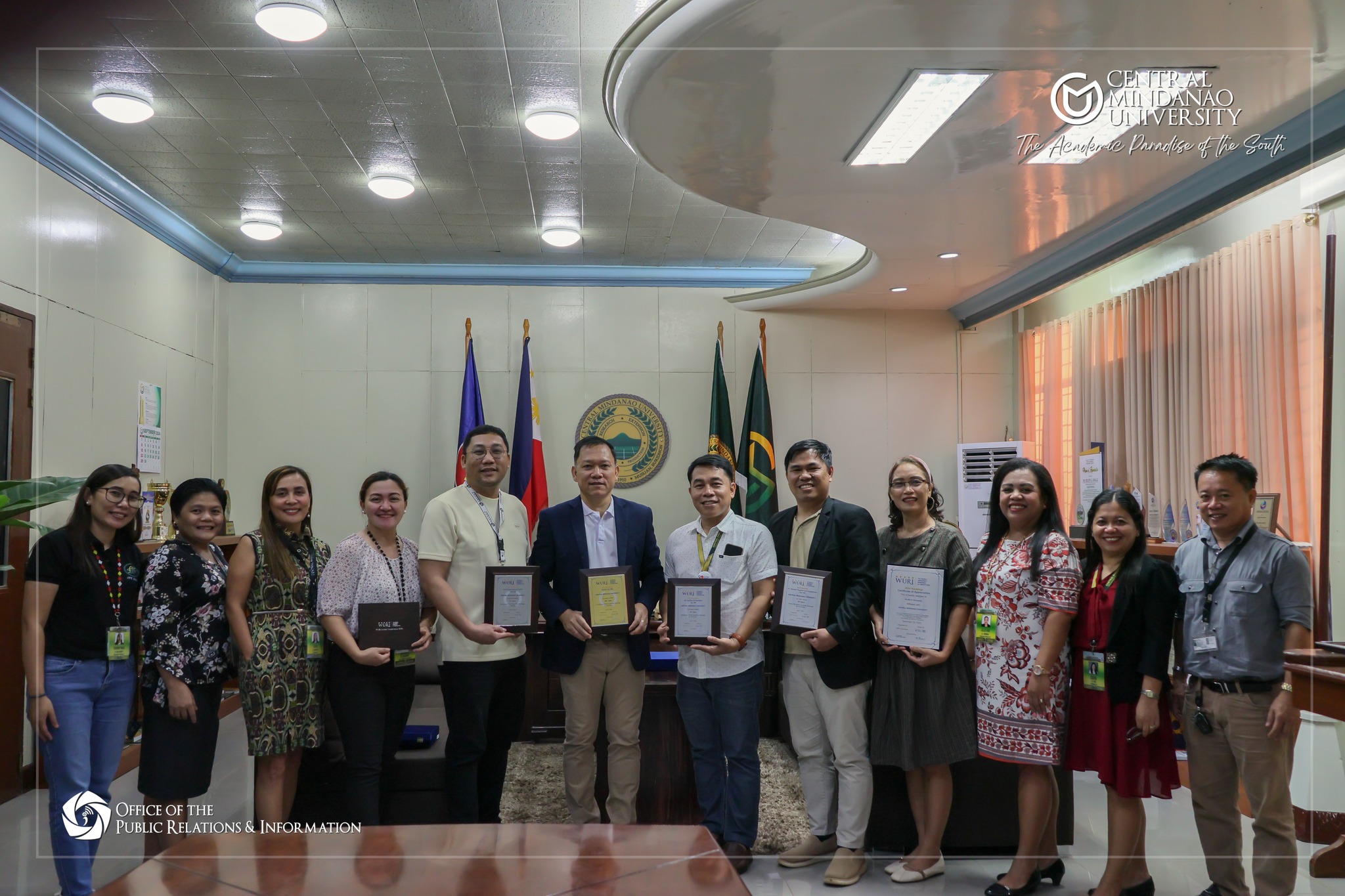
The initiative was co-led by the Central Mindanao University–Center for Biodiversity Research and Extension in Mindanao (CMU-CEBREM), together with the Conservation Planning Specialist Group (CPSG) of the International Union for Conservation of Nature (IUCN), the Royal Botanic Gardens, Kew, the Carnivorous Plant Specialist Group, and the Department of Environment and Natural Resources–Biodiversity Management Bureau (DENR-BMB), with funding support from Chester Zoo.
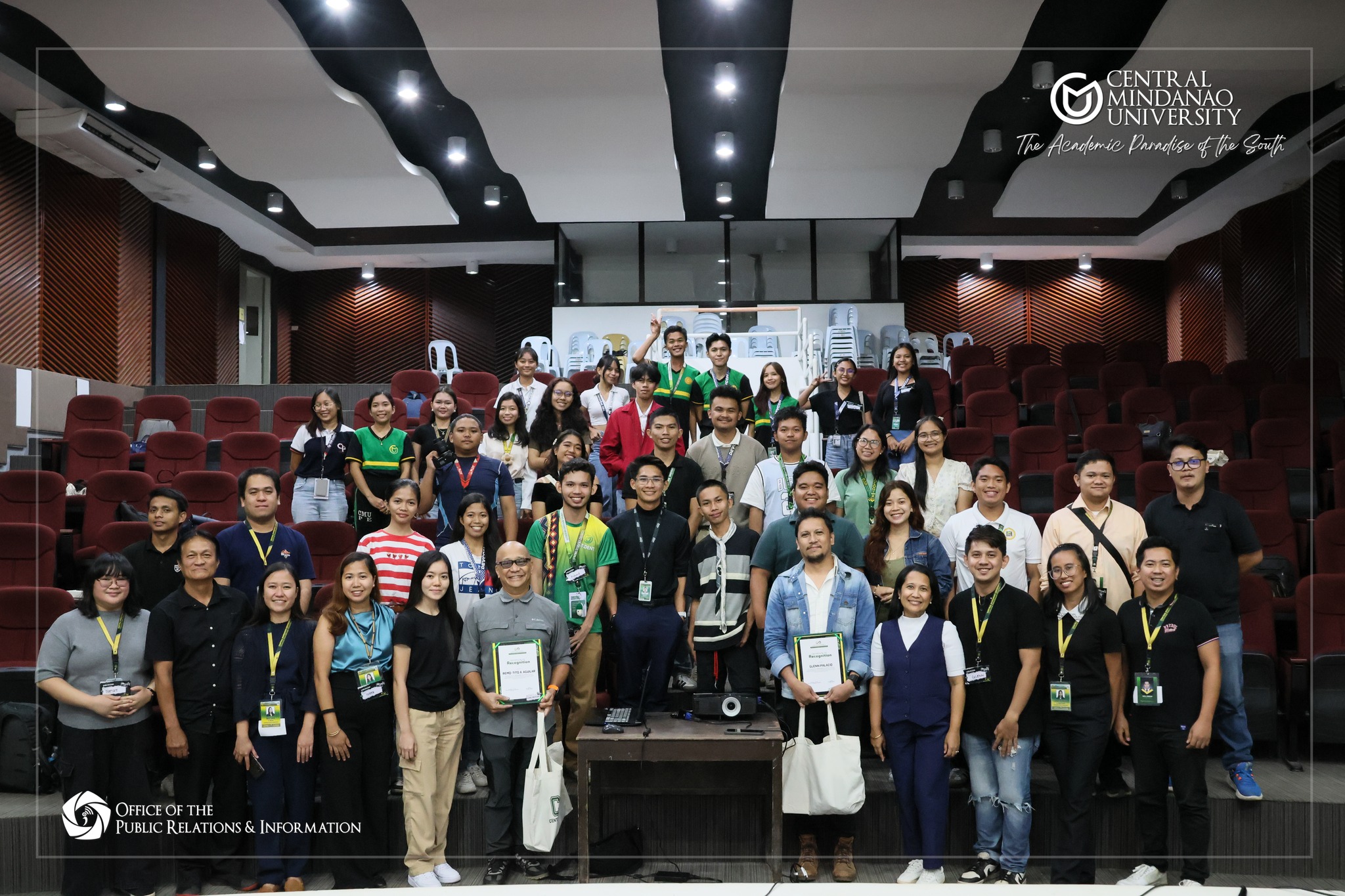
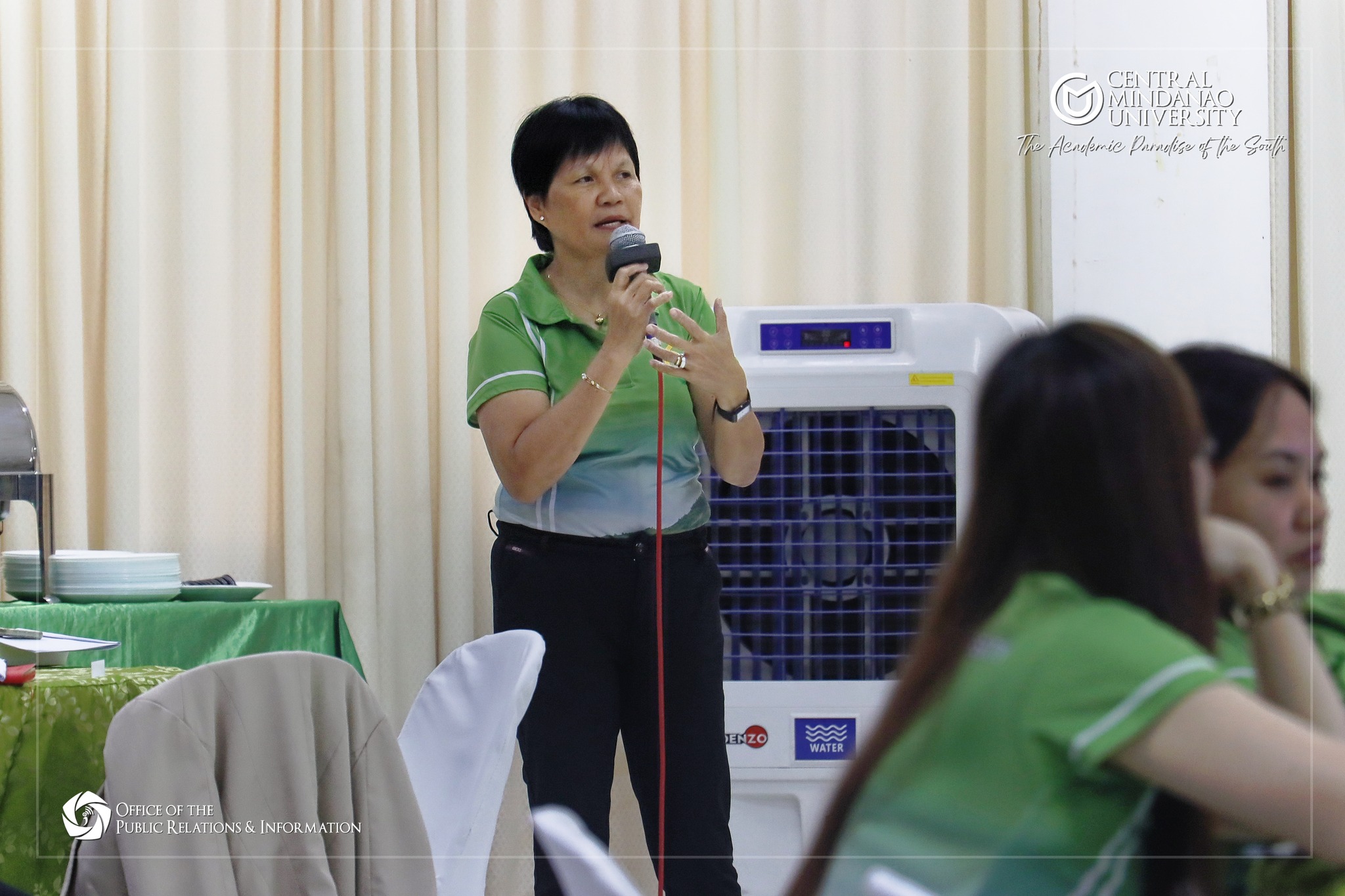
The workshop brought together around 40 experts and stakeholders from national government agencies, including members of the Philippine Plant Conservation Committee (PPCC) of DENR-BMB, co-chaired by Academician Dr. Edwin S. Fernando, as well as representatives from academic institutions, conservation organizations, non-government organizations, and local communities.
Participants examined key issues affecting Nepenthes and their habitats and identified solutions and strategies to strengthen both in situ and ex situ conservation.
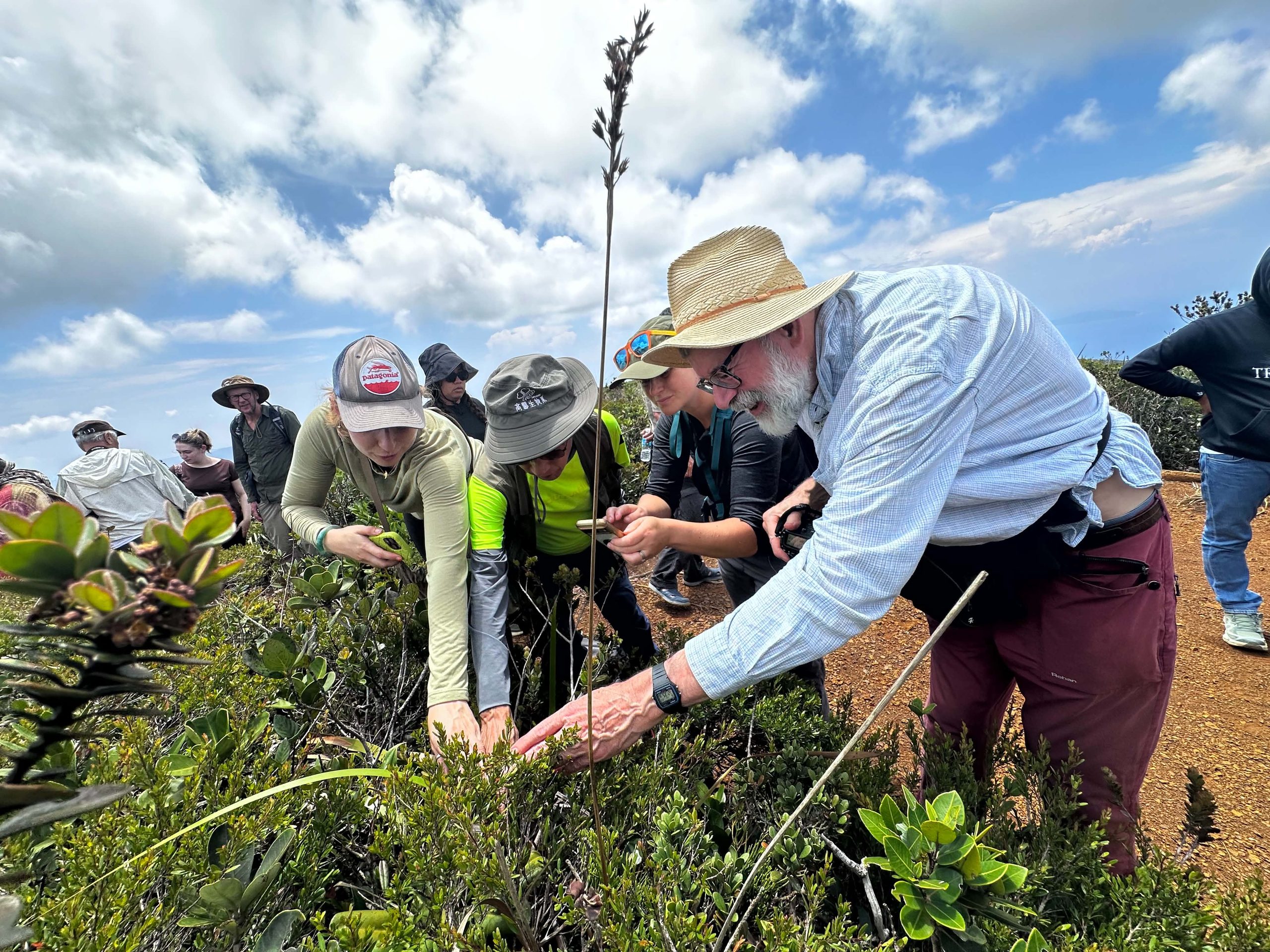
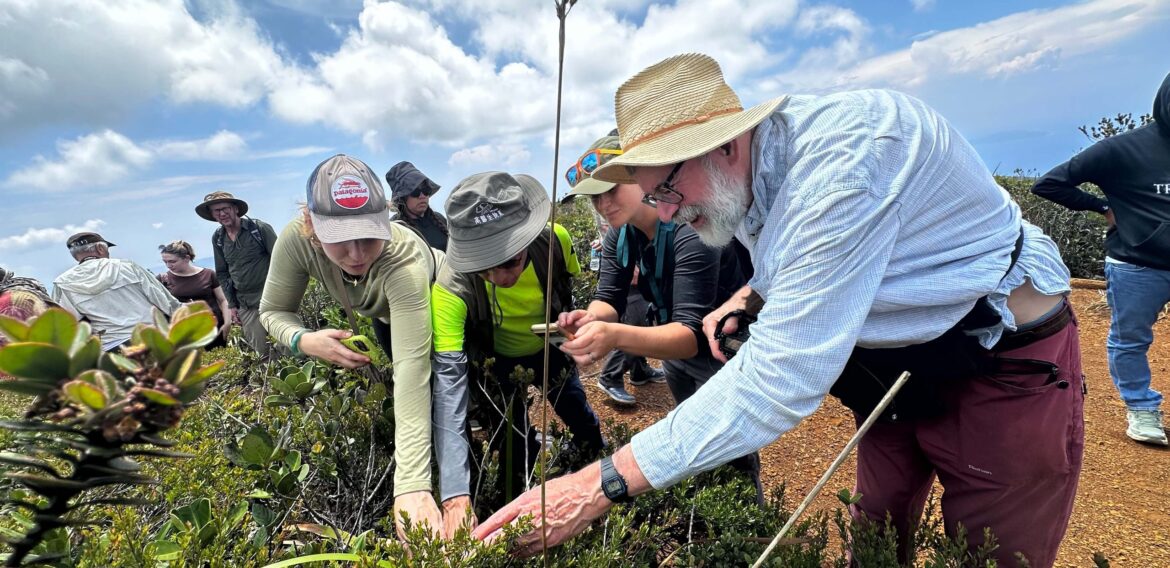
As part of the workshop, the team visited the bonsai forests of Mt. Redondo in the Municipality of Loreto, Dinagat Islands, providing participants with a firsthand view of the diversity of Nepenthes in the province and the significant threats to the area, particularly mining.
According to Dr. Fulgent P. Coritico, Director of CMU-CEBREM, this is the first conservation action plan to be developed in the country that is specific to a particular group of plants, namely Nepenthes. Dr. Coritico emphasized the workshop’s importance and the need to conserve Nepenthes and their habitats amid growing threats to their natural environments.
In his closing remarks, Academician Dr. Victor B. Amoroso shared his vision of Mindanao becoming not only a “center for Nepenthes diversity,” but also a “center for Nepenthes research, conservation, education, propagation, and responsible utilization.” He also highlighted the aim of declaring these areas as Local Conservation Areas (LCAs) as a first step toward conservation.
As part of this vision, he aims to establish a Philippine Center for Nepenthes Research and Conservation (PCNRC) within CMU.
“Our task is not simply to document what we have, but to protect what we have. That protection requires partnership,” Dr. Amoroso said.
Over the past two decades, Dr. Amoroso and his team have discovered at least 17 species of pitcher plants across Mindanao, contributing to the recognition of the region as one of the world’s centers of Nepenthes diversity.
The workshop marks another milestone in strengthening collaboration among stakeholders to ensure that Mindanao’s Nepenthes diversity and the habitats that sustain it are protected for generations to come.
The initiative supports Sustainable Development Goal 15 (Life on Land) by promoting the conservation of terrestrial ecosystems, biodiversity, and threatened plant habitats, while advancing collaborative efforts for the sustainable management of natural resources. [Iyren Neri with information from Ken Bien Mar Caballes]