
CMU PolSci students join ICOMUH 2026 on climate resilience in Indonesia
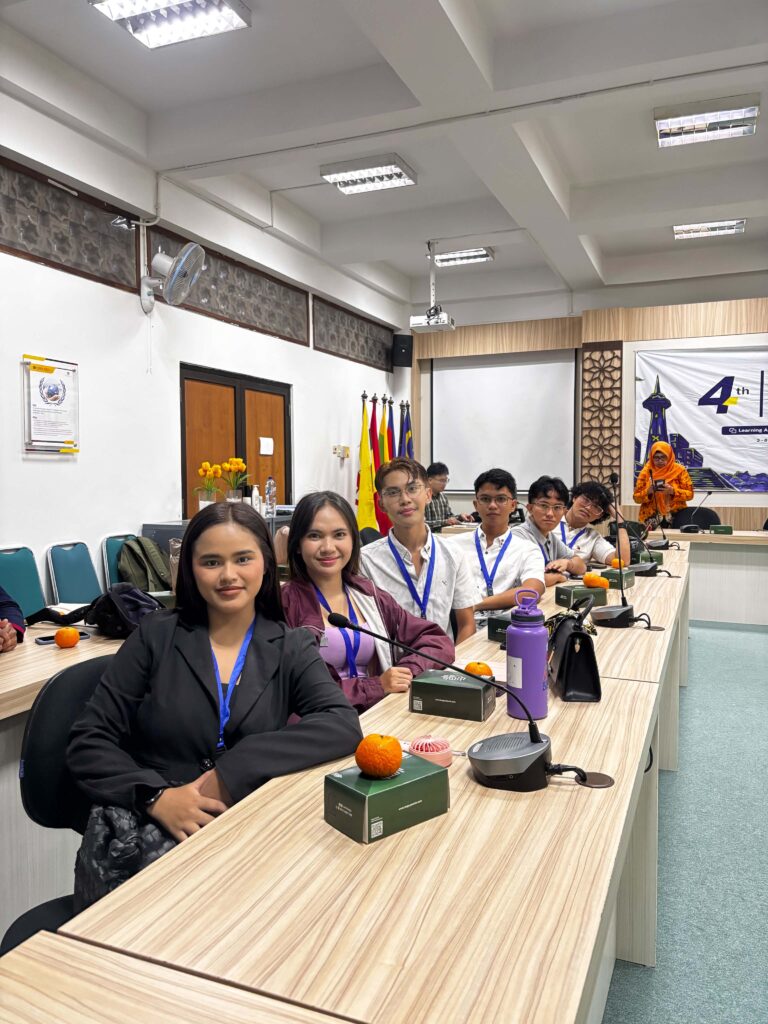
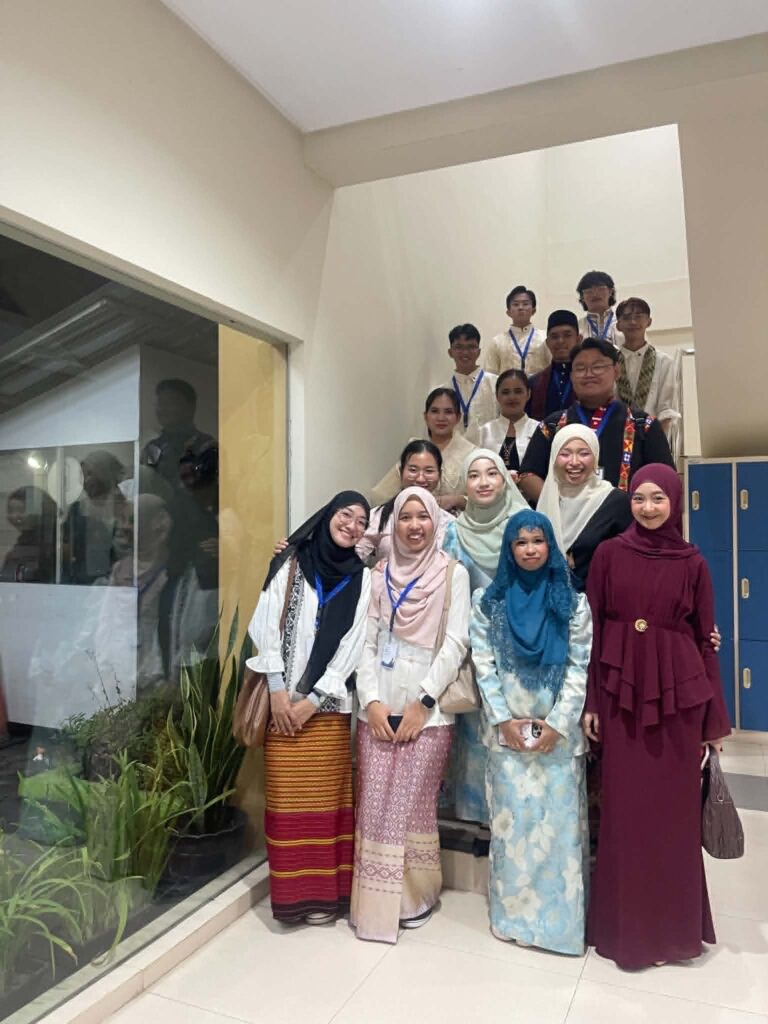
Six students from the Department of Political Science, Central Mindanao University (CMU) participated in the International Course on Multiculturalism and Humanity (ICOMUH) 2026 at Universitas Muhammadiyah Yogyakarta (UMY), Indonesia, from August 3 to 8, 2026, where they gained broader perspectives on climate change, collective action, and the interconnected challenges faced by ASEAN countries.
Carrying the theme “Advancing Climate Resilience through Humanity and Multicultural Collaboration,” ICOMUH 2026 brought together students from different countries to discuss climate challenges confronting the Asia-Pacific region, particularly ASEAN countries. The CMU delegates were Paul Ivan A. Matais, Lantis Ebajay, Mikaelah Angela Baradillo, Kyle Andrei Dawadias, Benedict Laurence Maestrado, and Trixie Marie Villacencio.
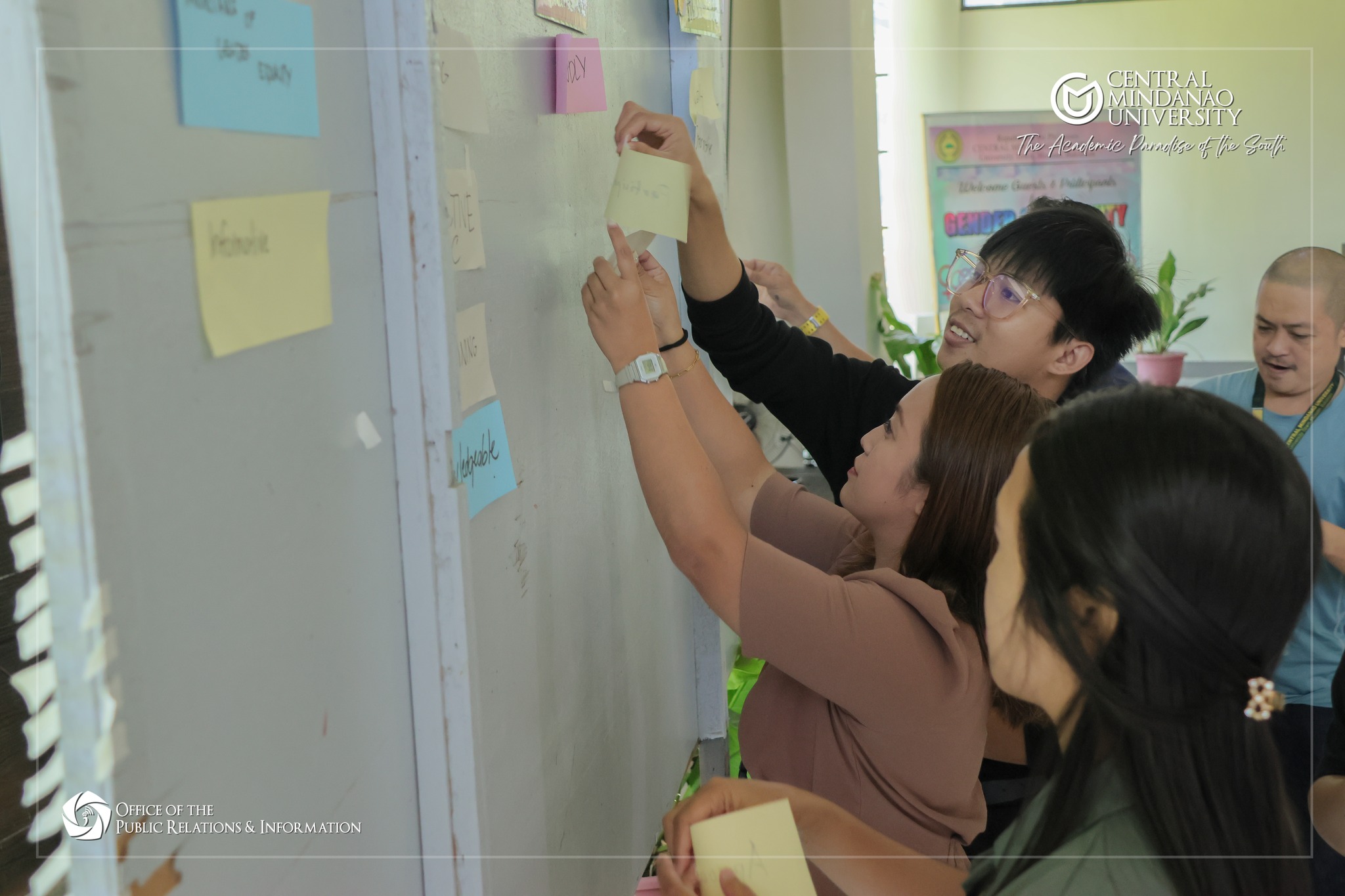
The program exposed the students to lectures, policy discussions, cultural activities, and experiential learning opportunities that encouraged them to look at climate issues beyond environmental concerns and understand their social, political, and cultural dimensions.
For Matais, the experience strengthened his eagerness to contribute beyond his usual efforts. Seeing delegates from different countries actively volunteer for change inspired him to recognize that individual contributions can become more meaningful when translated into collective action.
He said the experience encouraged him to influence others to become more environmentally conscious and to recognize the value of both micro- and macro-level actions in responding to the climate crisis.
Matais also gained a deeper appreciation of the political dimensions of climate change, noting its connection to governance, policies, international relations, social inequalities, resource distribution, and decisions that determine who bears the greatest burden of environmental crises.
As a Political Science student, he said the experience strengthened his sense of responsibility not only to understand these issues but also to participate in shaping solutions.
“If we want meaningful change, it should begin with our own footsteps. Choosing the righteous path, becoming conscious of how our acts affect others, and transforming that consciousness into application,” Matais said.
Meanwhile, fellow delegate Baradillo described ICOMUH 2026 as a “roller coaster ride” and an eye-opening experience that introduced her to realities she had not previously considered.
Among the insights that stood out to her was how environmental issues can extend beyond national borders. She recalled learning about how an unnoticed river connecting several countries can spark serious international discussions, as well as the role of women in Indonesia in promoting environmental awareness and advancing the Sustainable Development Goals.
For Baradillo, the experience reinforced the importance of collective action in addressing common challenges.
“Overall, it has made me realize that collective action to fight or do something is so much more powerful than we think. With a clear goal, mission, and vision can actually be achieved,” she said.
The experiences of Matais and Baradillo reflect how international exposure can broaden students’ understanding of issues that require cooperation beyond national and cultural boundaries. Through interaction with delegates from Malaysia, Thailand, Indonesia, and other participating countries, the CMU students gained perspectives on how communities and countries respond to interconnected environmental challenges.
The participation of the CMU students supports the university’s internationalization efforts by providing students with opportunities for cross-cultural learning and engagement. It also contributes to Sustainable Development Goal (SDG) 4: Quality Education, SDG 13: Climate Action, and SDG 17: Partnerships for the Goals. [Iyren Neri with information from Paul Ivan A. Matais, Student, CAS]