
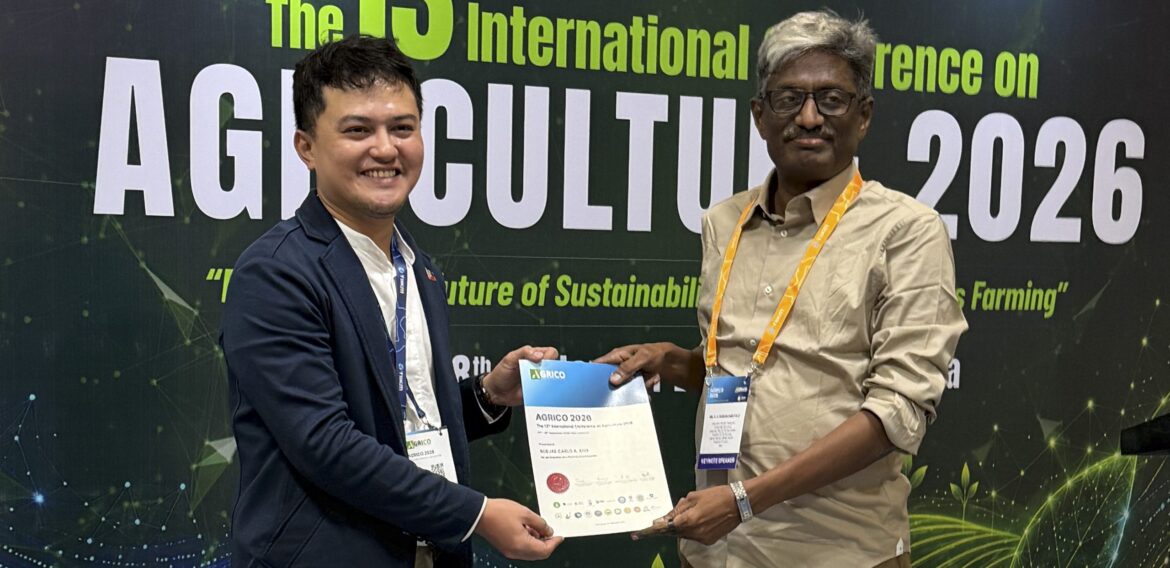
CMU faculty presents rice mechanization study at AGRICO 2026 in Bali
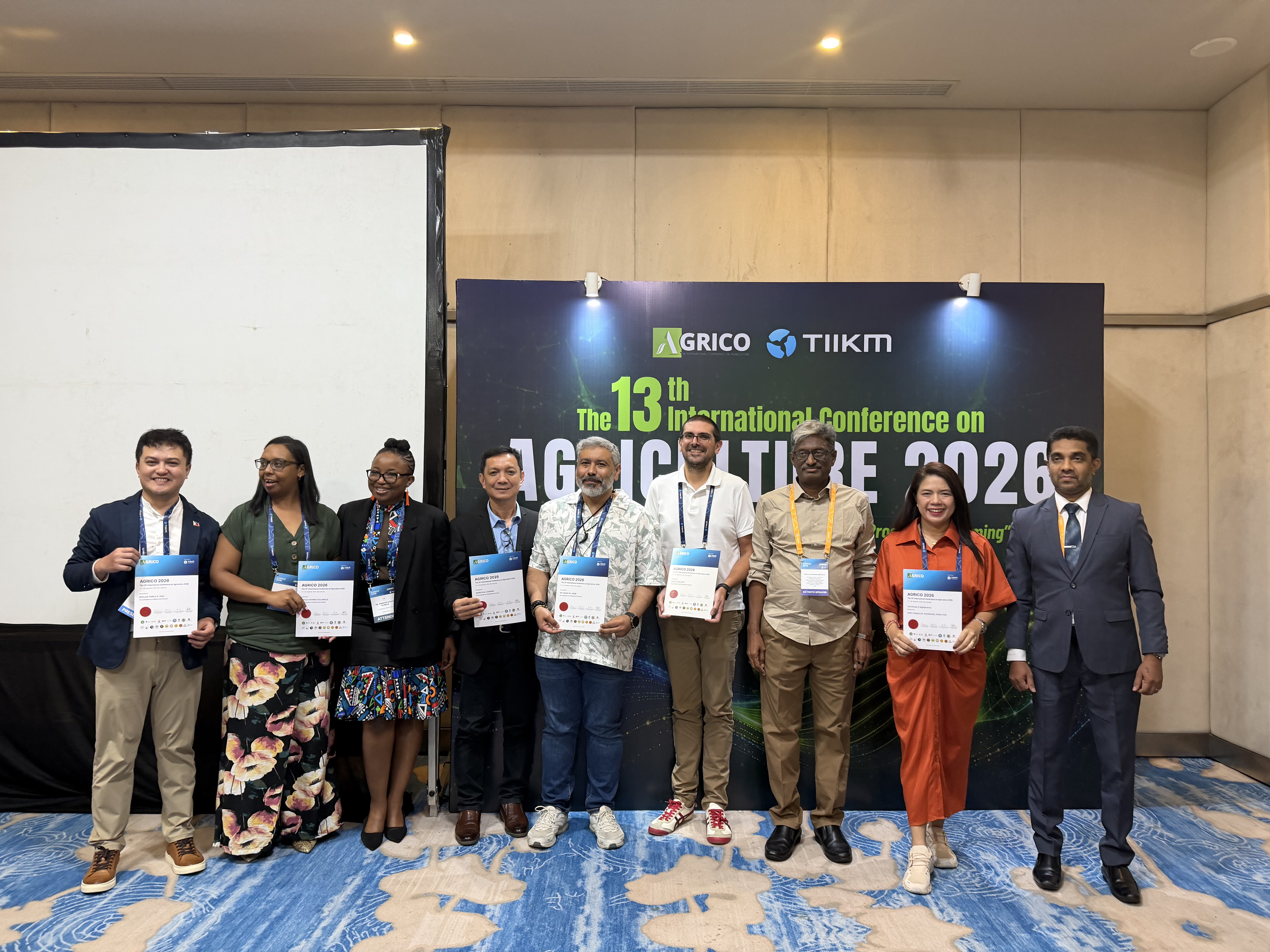
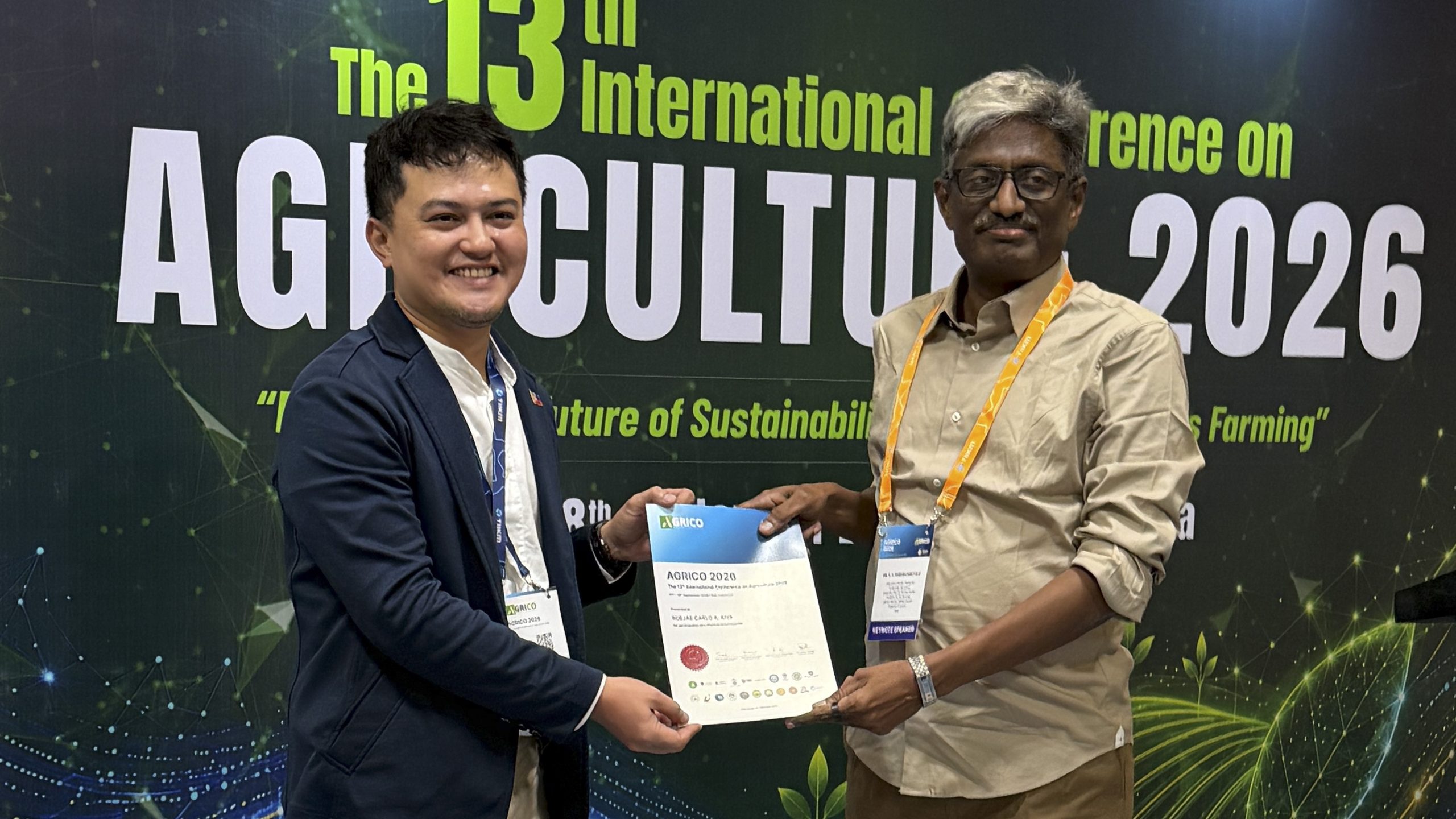
A faculty member from Central Mindanao University (CMU) presented research on the carbon implications of rice farm mechanization at the 13th International Conference on Agriculture (AGRICO) 2026, held on September 17–18 at the Bali Sunset Road Convention Center, Bali, Indonesia.
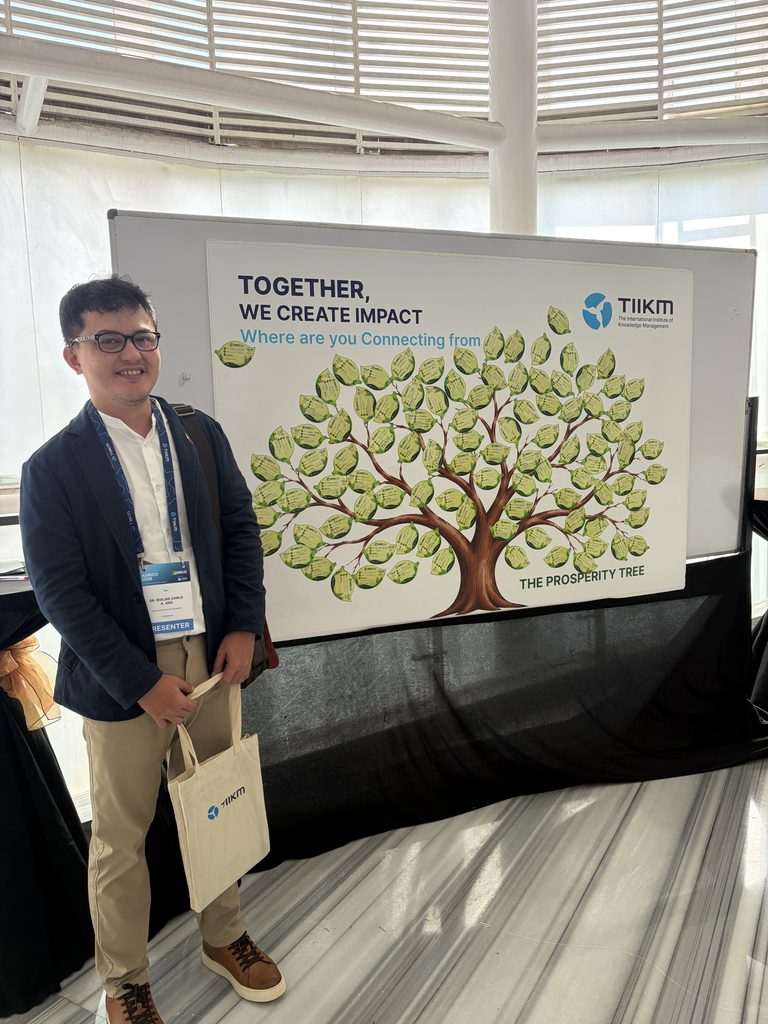
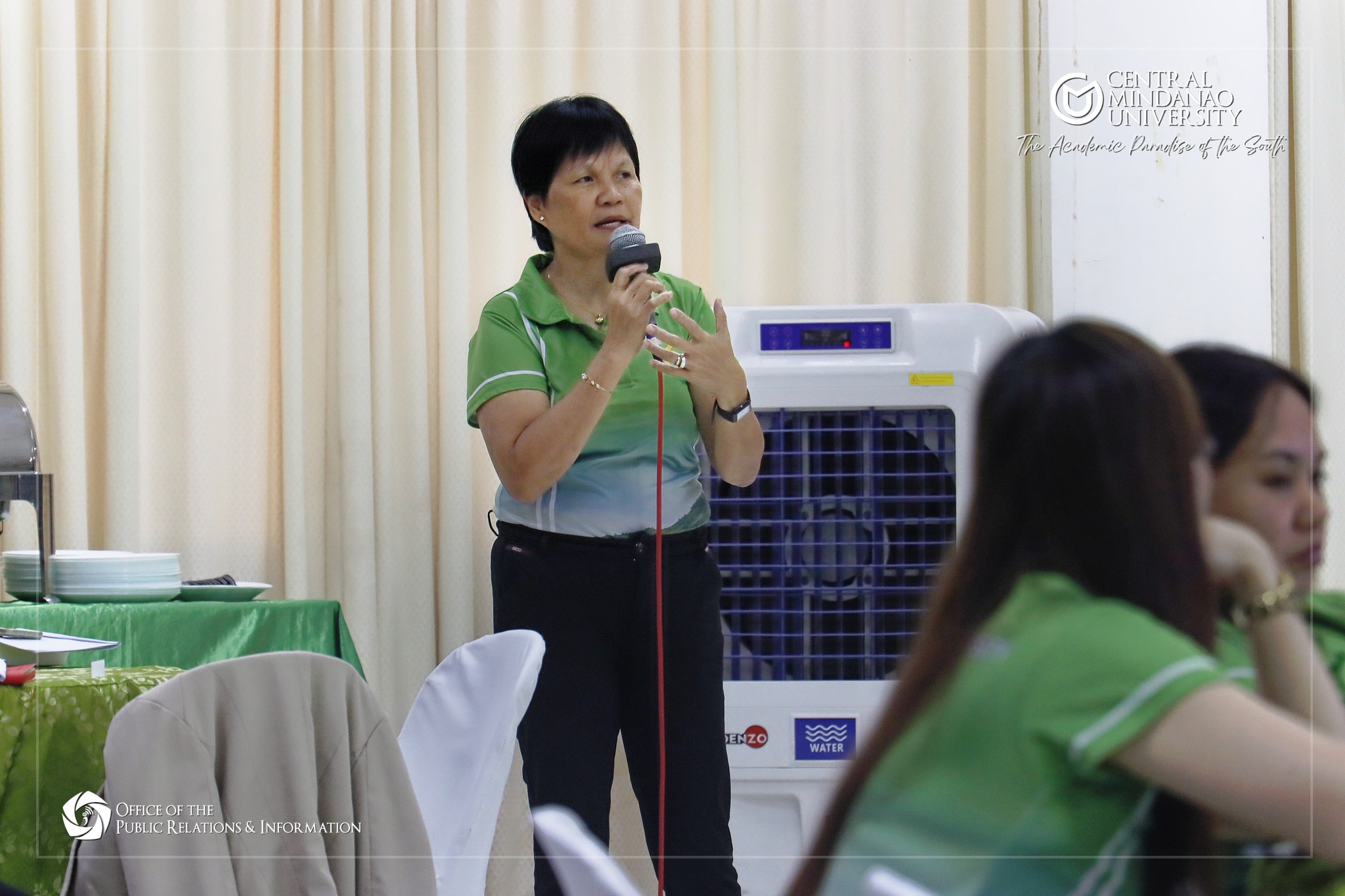
Dr. Roejae Carlo A. Ang from CMU’s Department of Agricultural and Biosystems Engineering under the College of Engineering, delivered his paper titled “Mechanization and Carbon Trade-Offs in Philippine Rice Systems: Evidence from Net Carbon Balance in Bukidnon Province” during the conference’s Food, Water, and Energy Nexus technical session.
The study compared operational emissions with estimated carbon stored in rice plants and upper soil layers across sampled farms in Bukidnon, finding that higher mechanization levels were strongly correlated with increased operational carbon emissions. Ang said the findings provide a baseline for evaluating mechanization programs based on fuel use, field efficiency, and emissions, rather than solely on machine distribution and hectares covered.
To mitigate environmental impacts, he recommended comprehensive carbon audits and life-cycle assessments for policymakers, alongside practical low-carbon strategies such as reduced-pass tillage, right-sized machinery, efficient field routing, preventive maintenance, and renewable-powered irrigation and drying systems.
The two-day conference convened global researchers and industry professionals to address sustainable farming, climate-smart practices, and food security. Highlights included talks on robotic intercropping, agroecological transitions, supply chain resilience, and interactive workshops on artificial intelligence in agriculture.
Reflecting on the experience, Dr. Ang noted that participating in the event reinforced his appreciation of the country’s progress in omics science, biotechnology, sustainable agriculture, and the circular economy. However, he emphasized that the international gathering also underscored an urgent technological gap.
“While we are still working to raise our mechanization index, other Southeast Asian countries are advancing toward autonomous machinery and AI-assisted farming support,” Dr. Ang observed.
He added that other countries in the region are moving beyond basic monitoring to help farmers manage microclimates, irrigation schedules, and market forecasts.
“My key takeaway is that we need to connect our research strengths with practical, accessible technologies that help Filipino farmers become more productive, resilient, and sustainable,” he said.
The international exposure enhances CMU’s global academic visibility, opens avenues for future research collaborations, and aligns local agricultural insights from Bukidnon with regional climate and food security discussions. [Johnica Chantal G. Montero with information from Dr. Roejae Carlo A. Ang]