CEBREM marks 15 years of biodiversity research, conservation
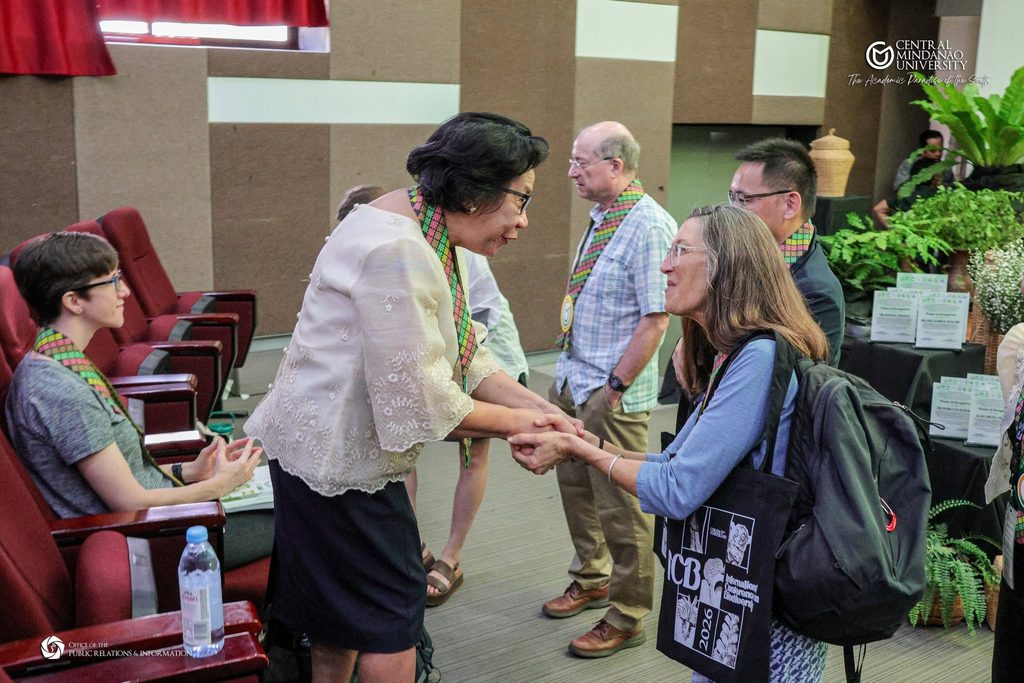
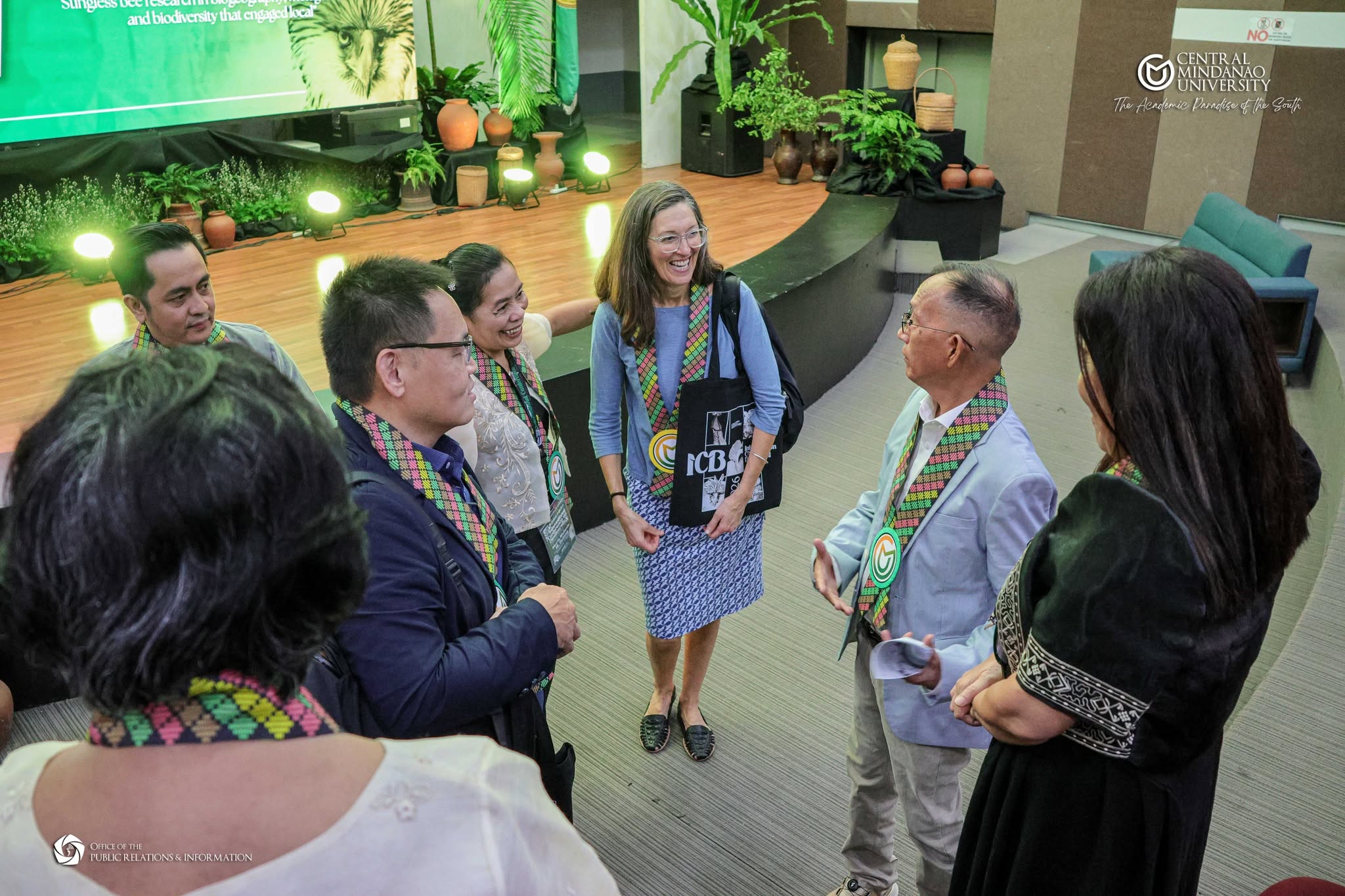
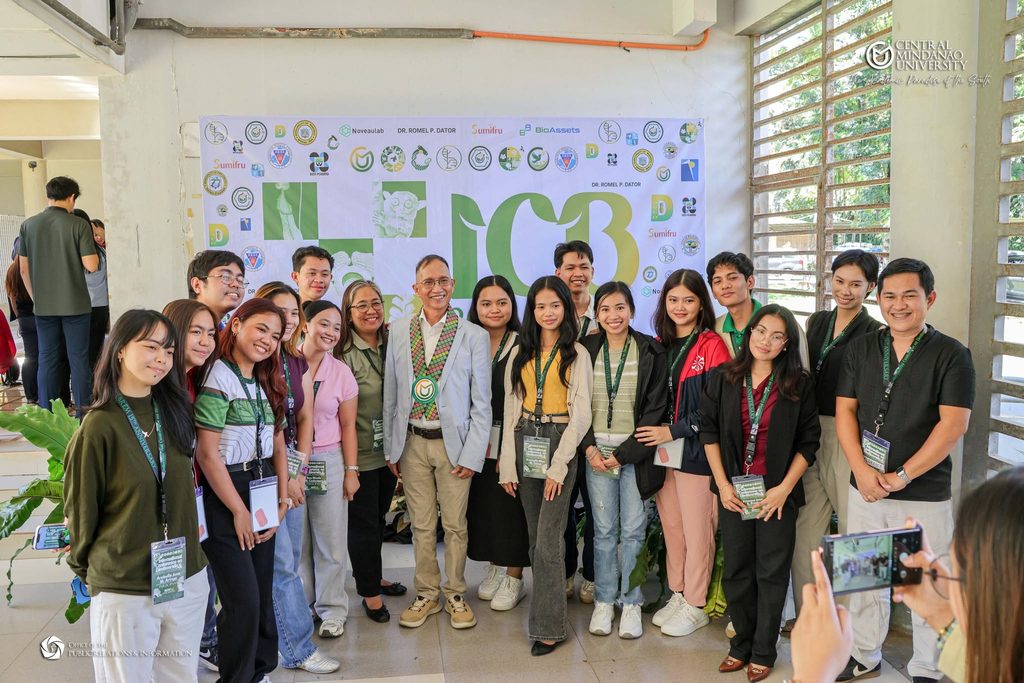
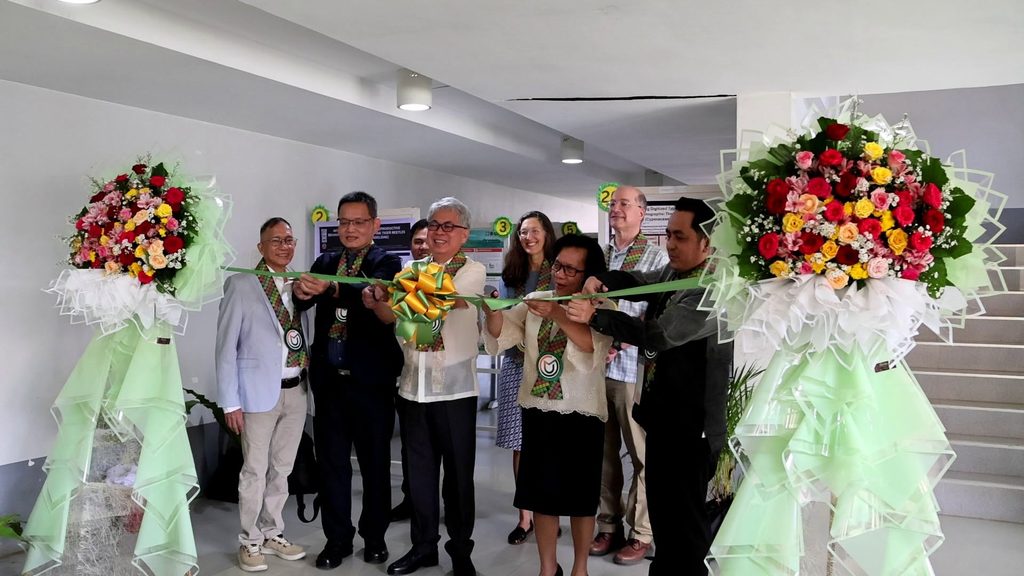
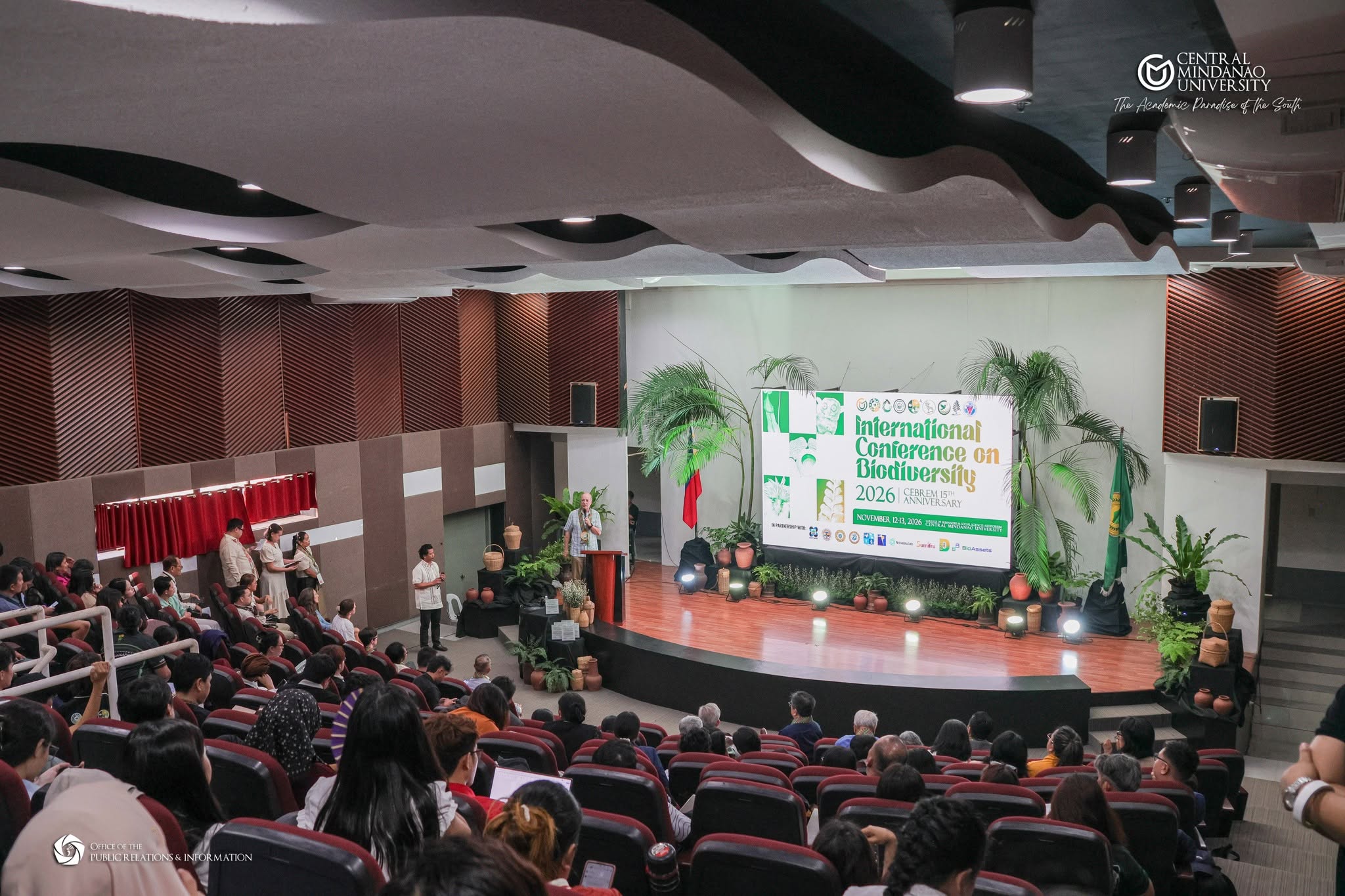
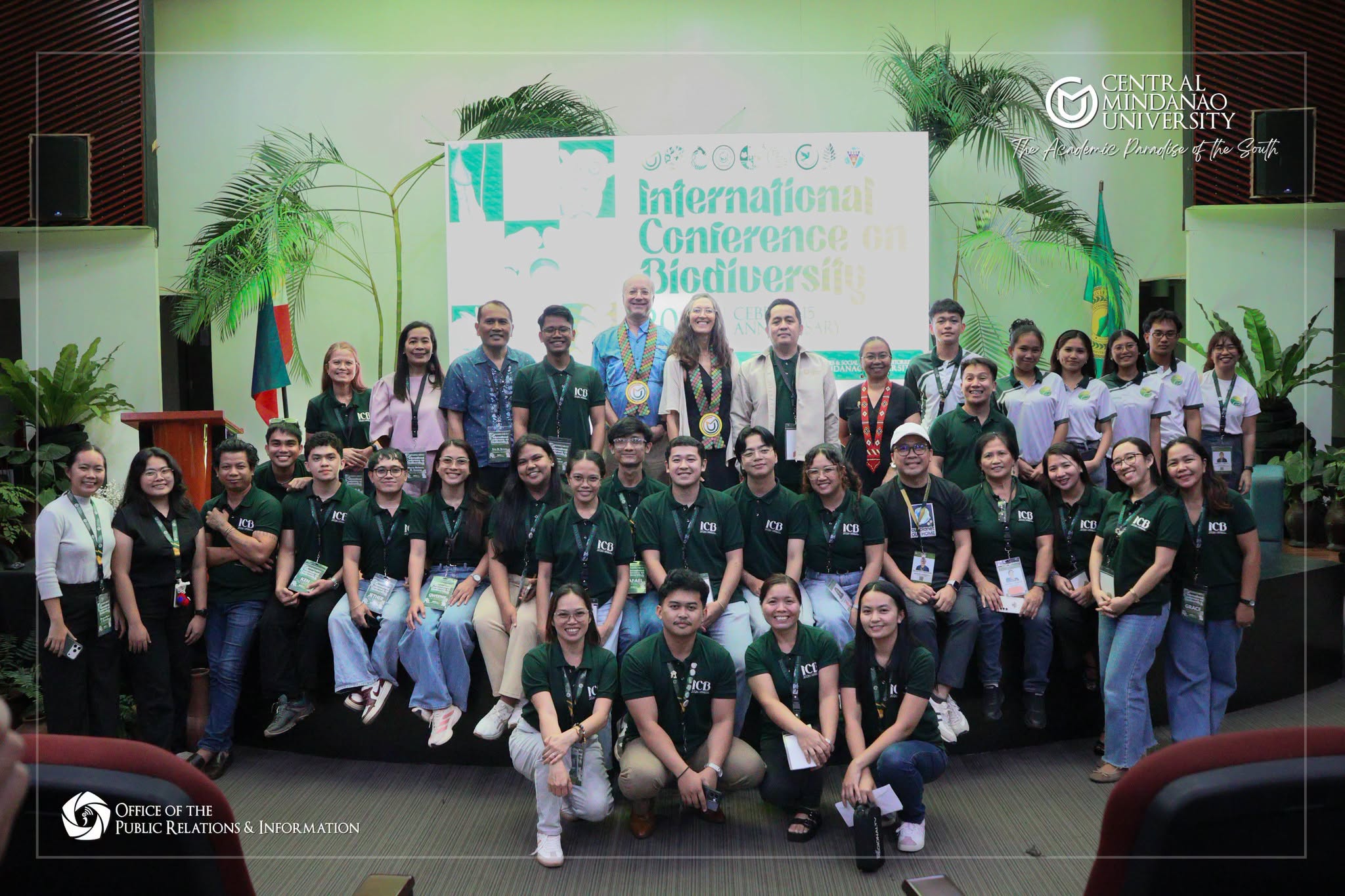
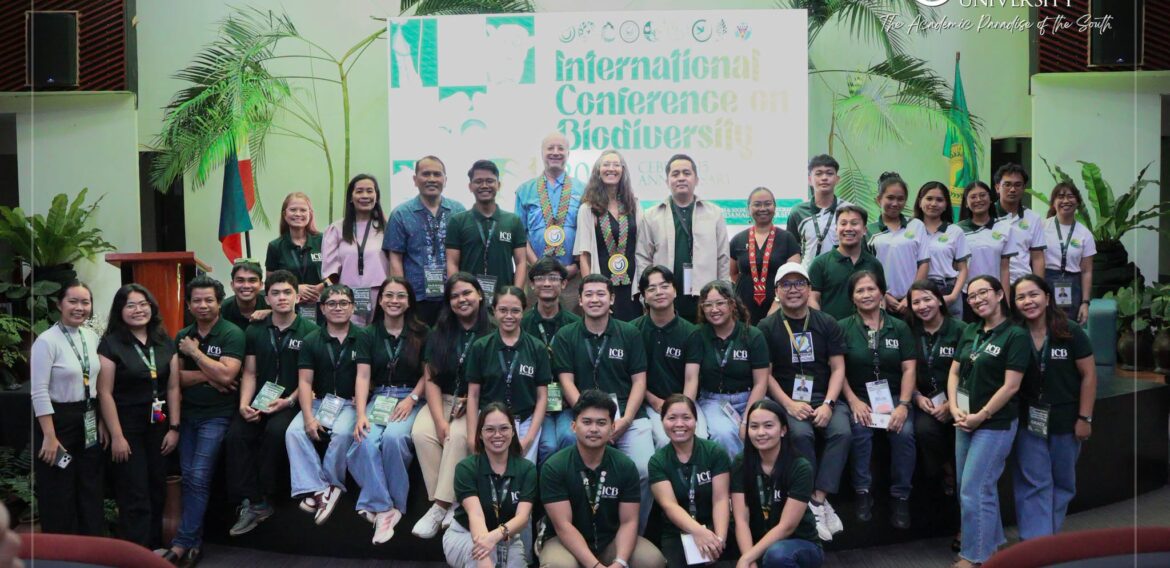
The Center for Biodiversity Research and Extension in Mindanao (CEBREM) successfully led the International Conference on Biodiversity and Sustainability on November 12 to 13, 2026, at the College of Humanities and Social Sciences Auditorium, Central Mindanao University (CMU). The international gathering also commemorated CEBREM’s 15th anniversary, underscoring a decade and a half of scientific leadership in the region.
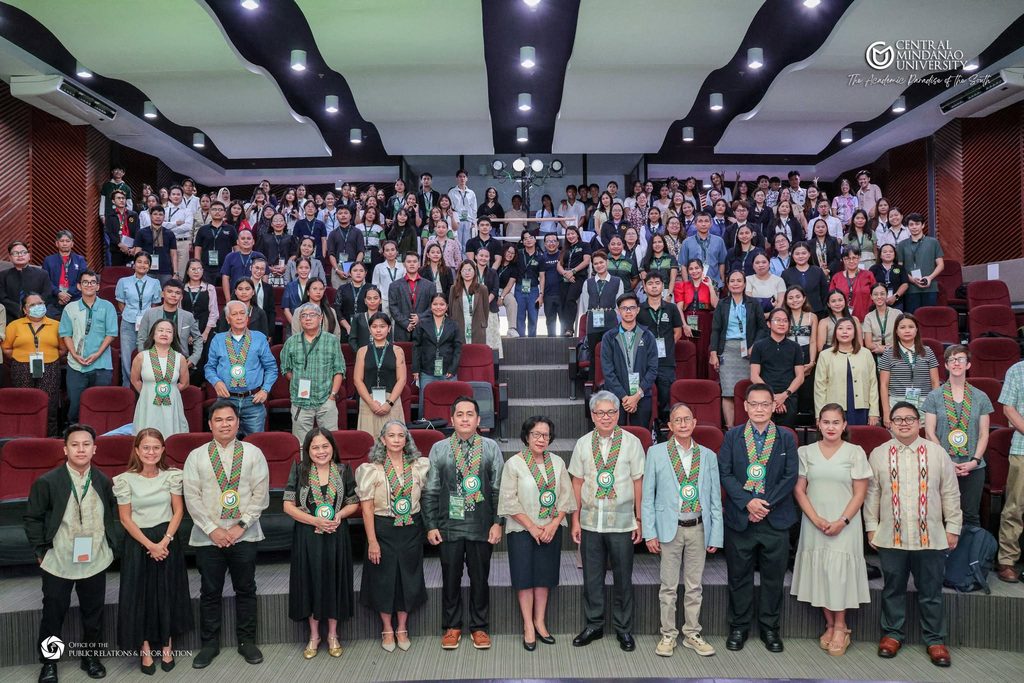
Anchored on the theme “Protecting Nature Locally, Sustaining Life Globally,” the conference convened researchers, faculty members, students, and practitioners to advance scientific collaboration and environmental conservation efforts.
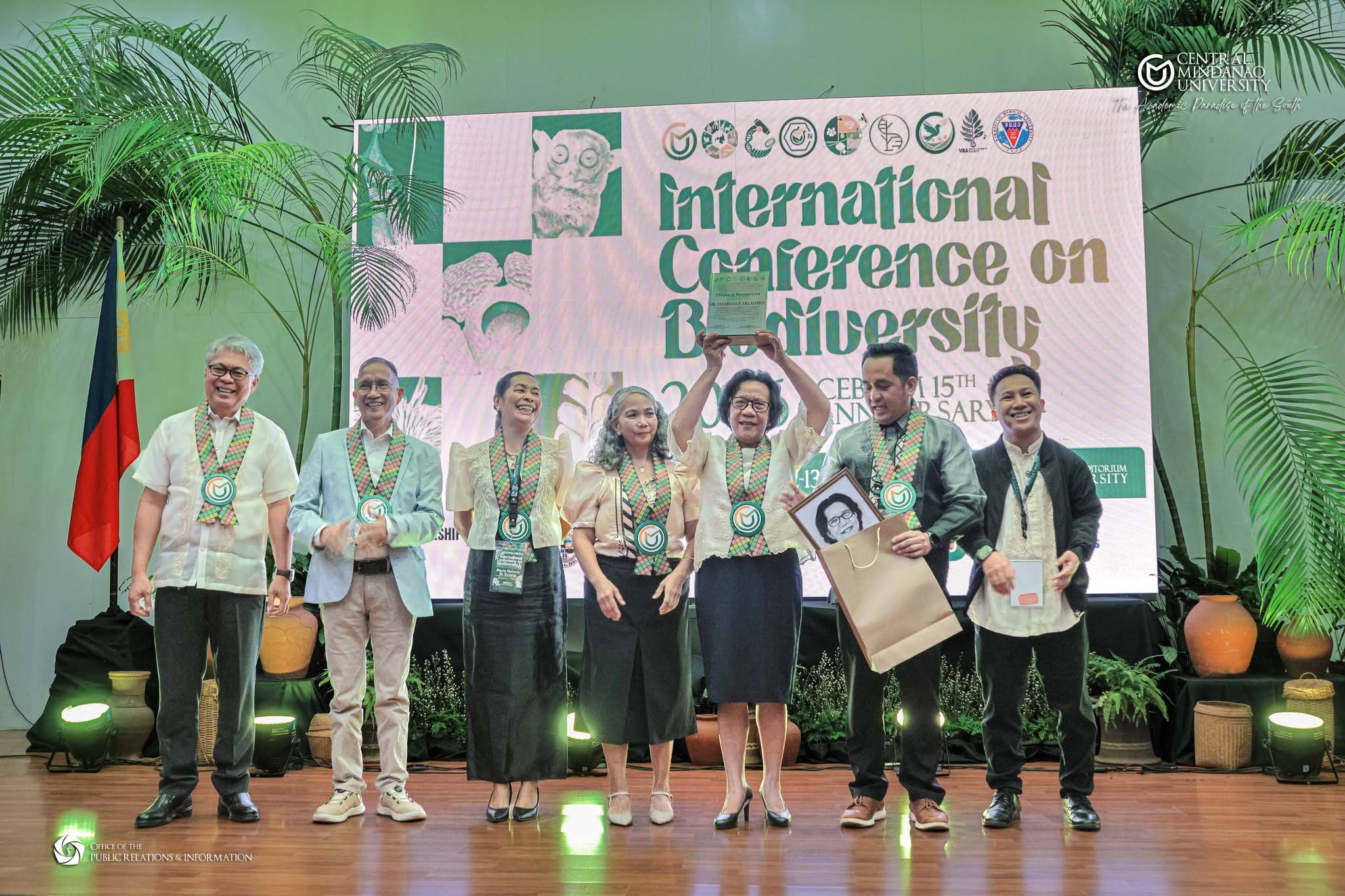
Highlighting the milestone celebration was the keynote address delivered by Dr. Annabelle P. Villalobos, Corresponding Member of the National Academy of Science and Technology (NAST) and Former DOST Balik Scientist, titled “CEBREM: Fifteen Years of Collaboration, Innovation, and People Development.” During her address, Dr. Villalobos looked back on CEBREM’s humble beginnings and remarkable growth, tracing its journey from a small room housing only a few pieces of laboratory equipment into a premier hub for biodiversity research and scientific collaboration.
“CEBREM has a stellar record in so many ways—collaborations and partnerships, research grants, published papers, books, IEC materials, national and international recognition—and has developed many who are and can be advocates of biodiversity,” Dr. Villalobos said.
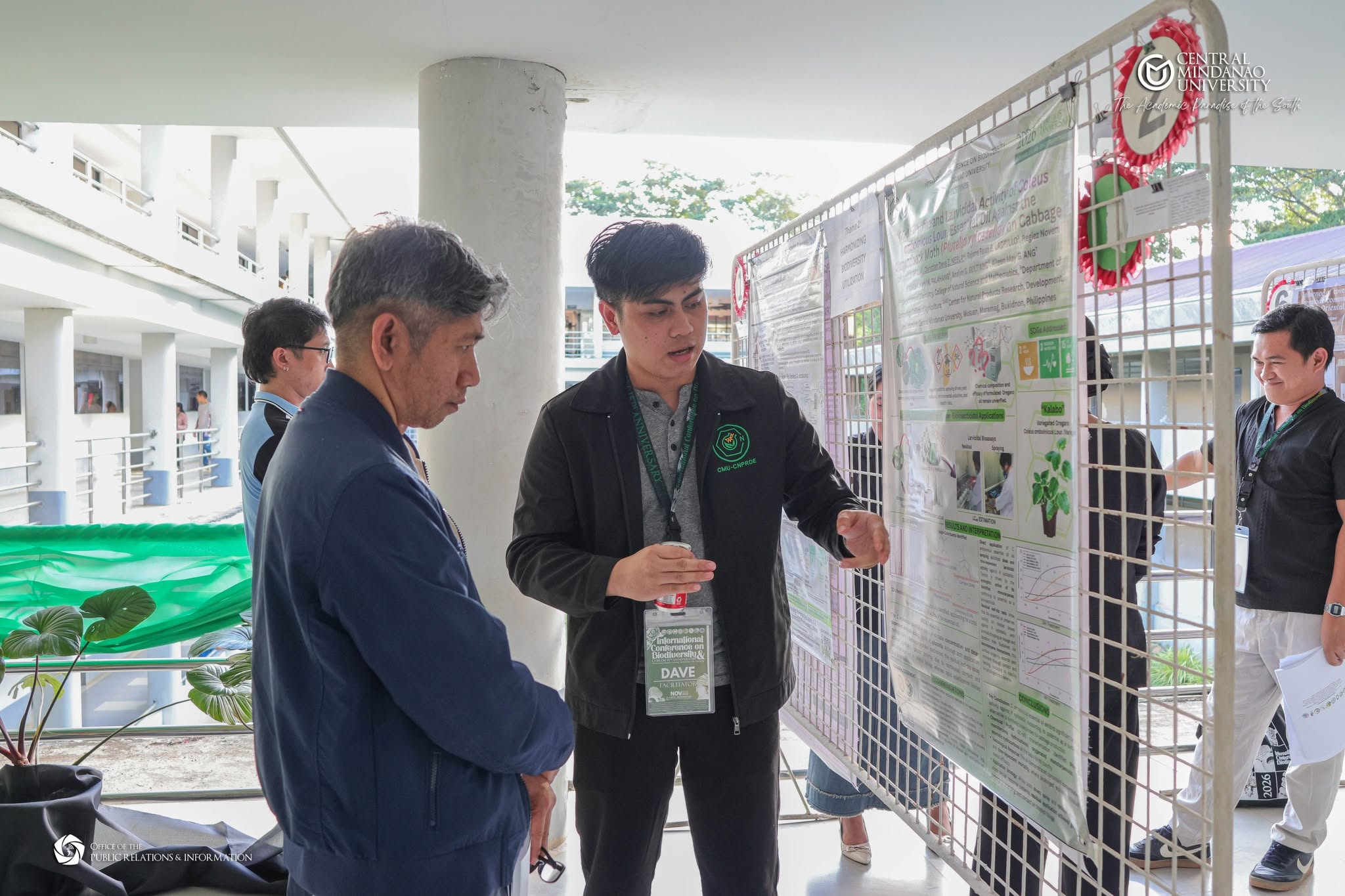
The conference featured robust academic and youth participation, showcasing 75 oral presentations, 40 poster presentations, and 25 Young Minds Biodiversity Reports aligned with four core scientific themes:
- Generating knowledge on biodiversity across natural ecosystems for sustainable development of biodiversity resources;
- Harmonizing biodiversity utilization and technologies with conservation in the context of sustainable development;
- Integrating science and culture to promote sustainability of biodiversity and natural ecosystems; and
- Balancing development issues with protection of nature to sustain biodiversity.
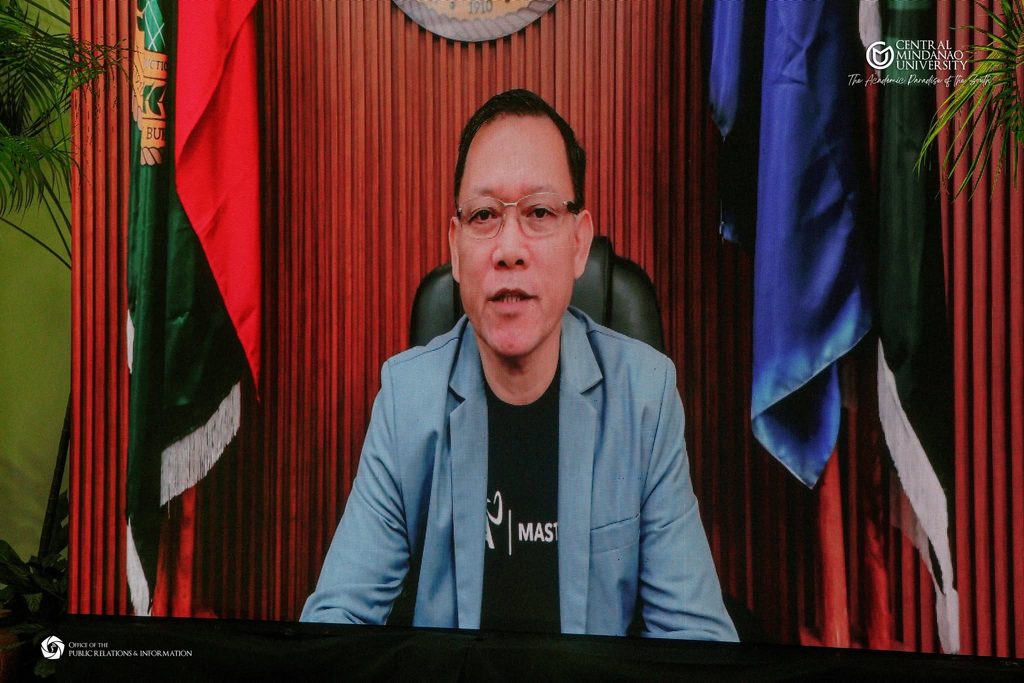
During the event, Dr. Rolito G. Eballe underscored CEBREM’s 15-year dedication to research, collaboration, and conservation, highlighting the vital role of science education and partnerships in protecting natural resources.
“As we celebrate this milestone, let us renew our commitment to biodiversity conservation, strengthen our partnerships, and pursue research that creates meaningful impact. Let us protect our biodiversity, preserve our natural heritage, and secure a sustainable future for nature, for life, and for generations to come,” Dr. Eballe stated.
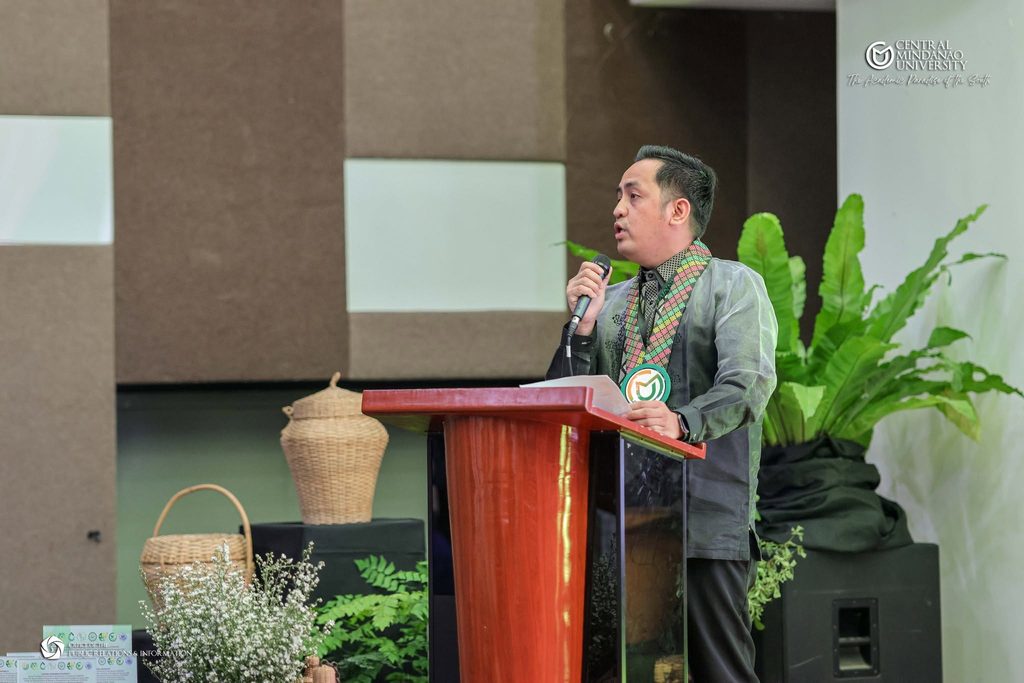
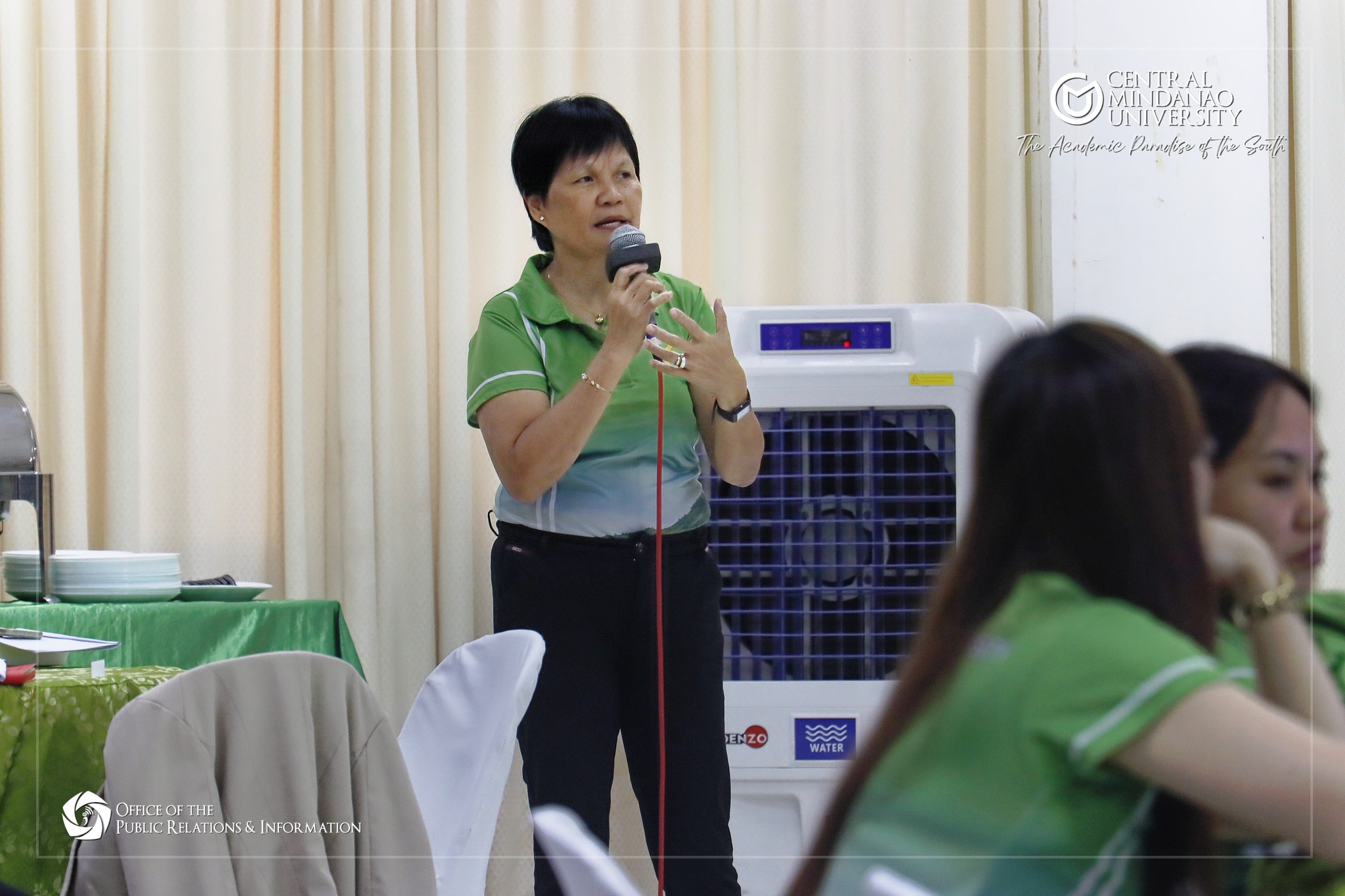
Echoing this call to action, Dr. Fulgent P. Coritico, Director of CMU-CEBREM, emphasized how local conservation drives broader global impact and traced the center’s evolution from a small group of researchers into a multidisciplinary team backed by national and international collaborators.
“Our conference theme, ‘Protecting Nature Locally, Sustaining Life Globally,’ carries a simple but important message: global conservation begins with understanding and protecting the biodiversity in our own communities and ecosystems. Fifteen years is an important milestone, but it is also a reminder that there is still much work ahead,” Dr. Coritico remarked.
Leading up to the main conference, specialized pre-conference workshops were conducted on November 11, 2026. These included the PhilHerNet Reconstitution and Planning Workshop, held exclusively for PhilHerNet members and invited participants, facilitated by Dr. Arvin Diesmos of the National Museum of the Philippines, and a session on Mapping Campus Biodiversity: Participatory Environmental Survey and Geospatial Mapping led by Dr. Marjorie Delos Angeles of the University of the Philippines Los Baños.
Through its discussions, scientific exchanges, and cross-sector partnerships, the conference directly contributed to the United Nations Sustainable Development Goals (SDGs), specifically SDG 4 (Quality Education), SDG 9 (Industry, Innovation, and Infrastructure), SDG 11 (Sustainable Cities and Communities), SDG 12 (Responsible Consumption and Production), SDG 13 (Climate Action0, SDG 14 (Life Below Water), SDG 15 (Life on Land), and SDG 17 (Partnerships for the Goals). [Johnica Chantal G. Montero]