
CMU student advances gender-responsive policies at University Model Congress 2026
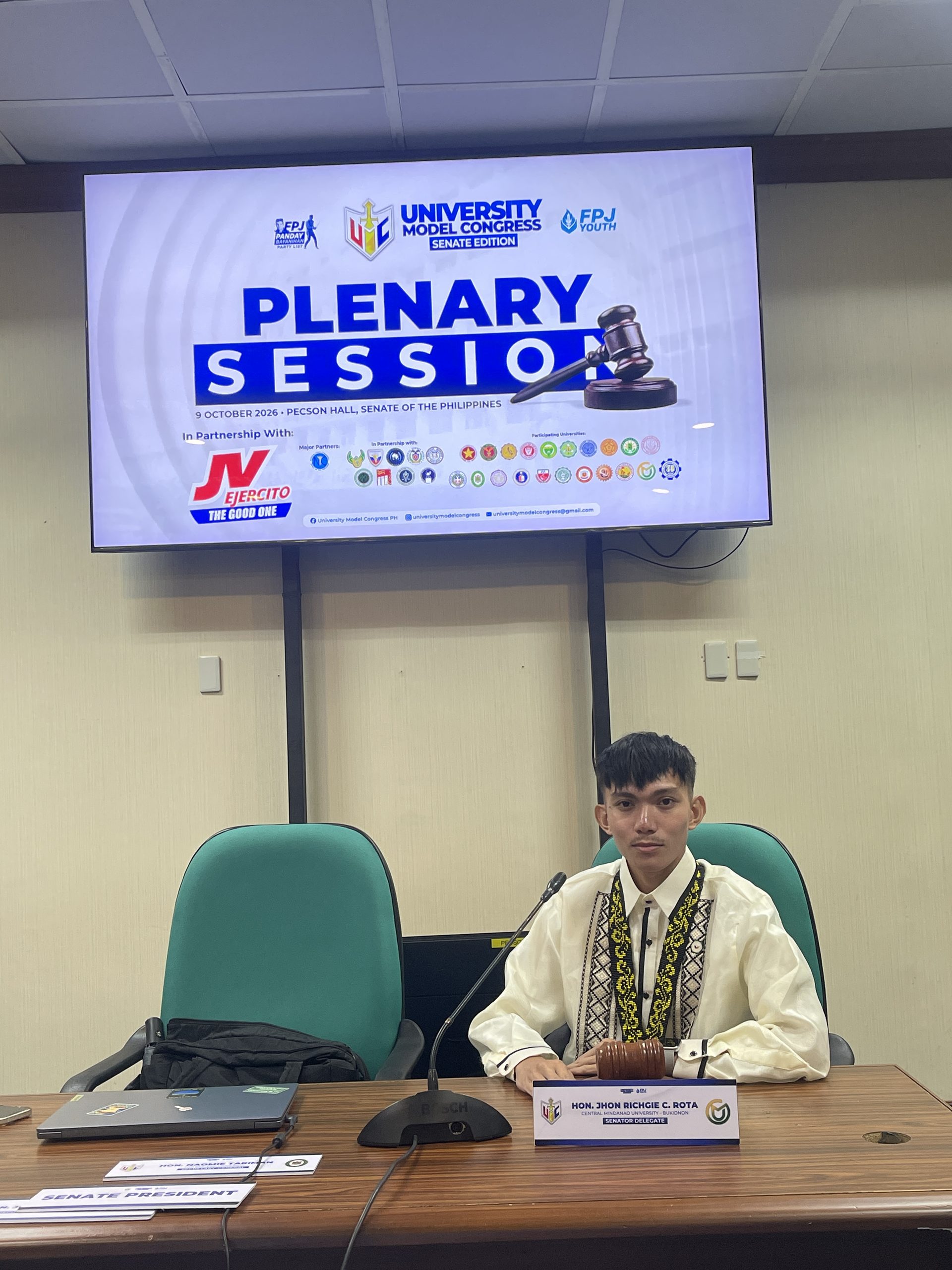
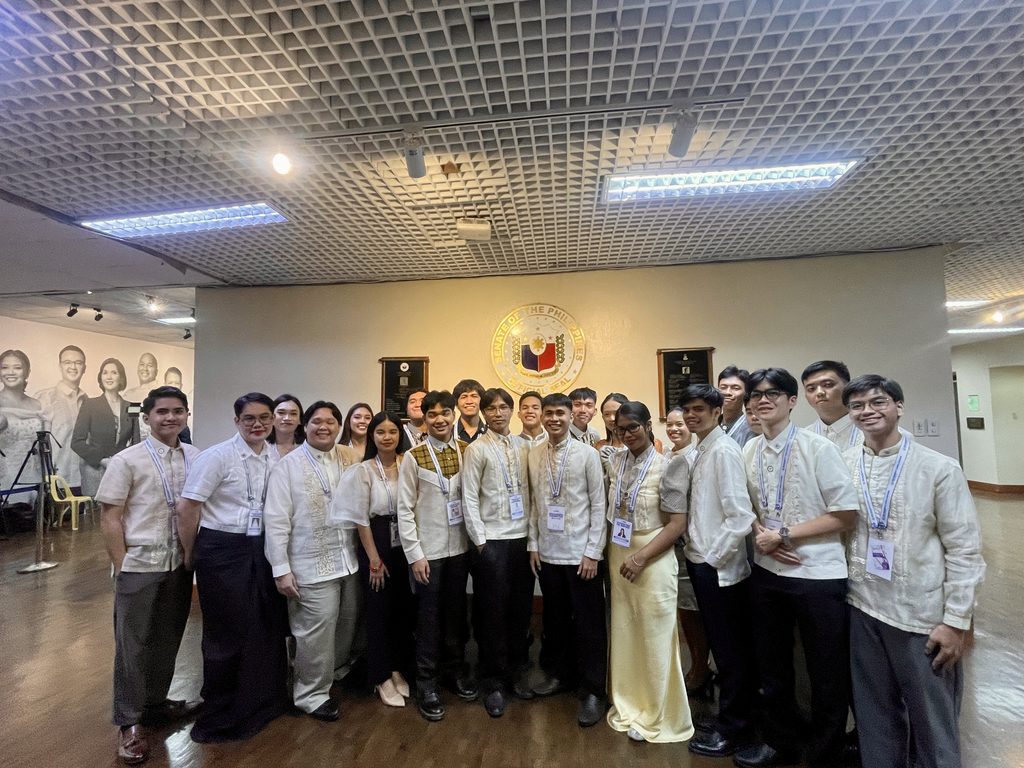
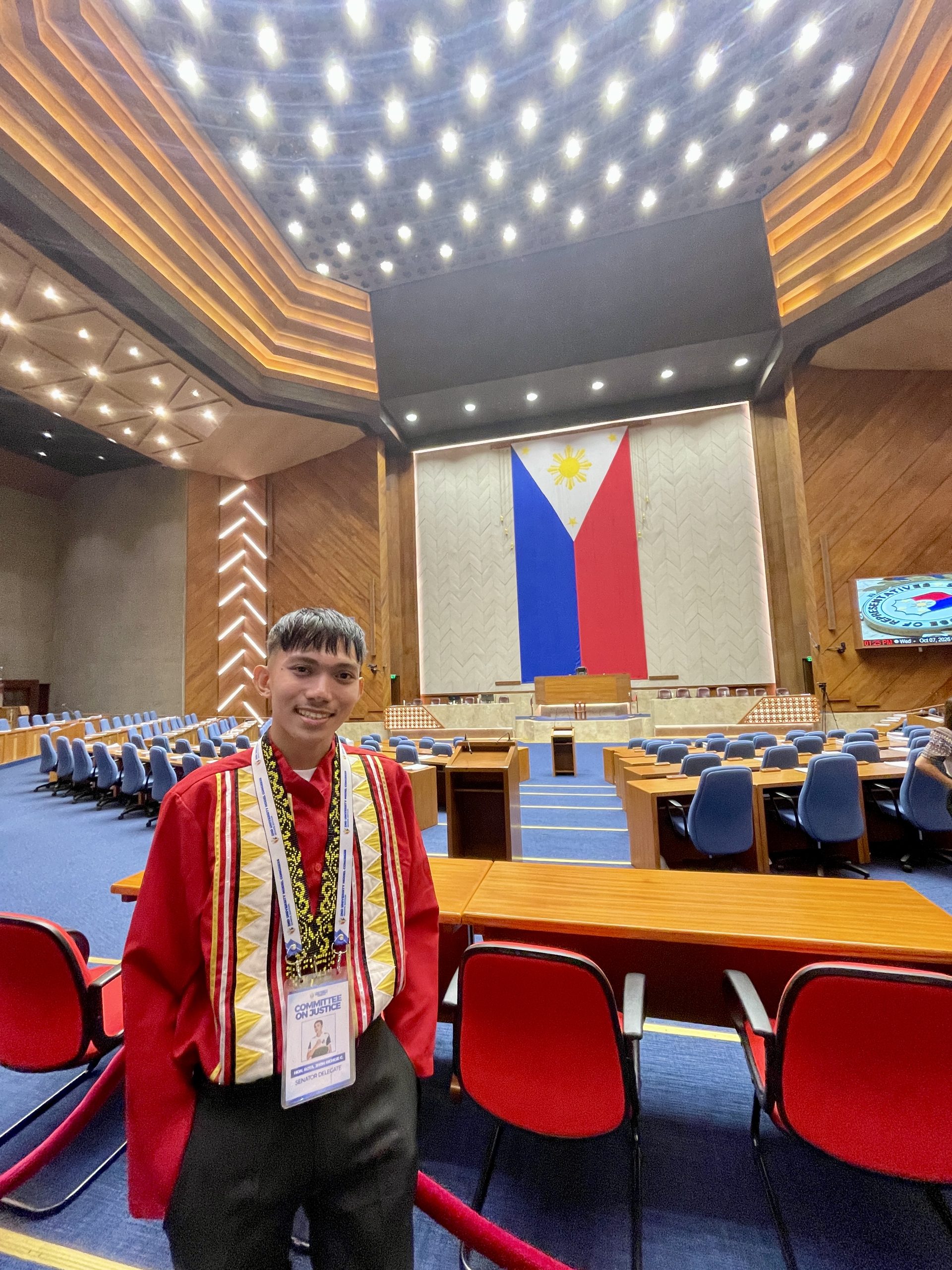
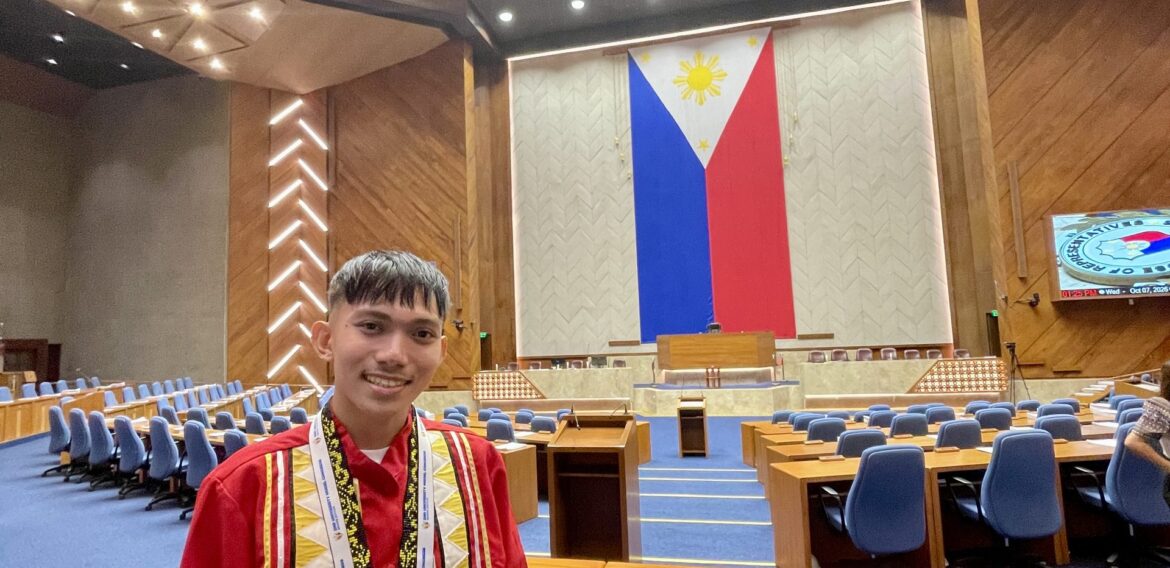
A student advocate from Central Mindanao University (CMU) championed gender-responsive policymaking and youth-centered legislation into a simulated national legislative setting during the University Model Congress 2026: Senate Edition, held on October 7–9, 2026, at the House of Representatives and the Senate of the Philippines.
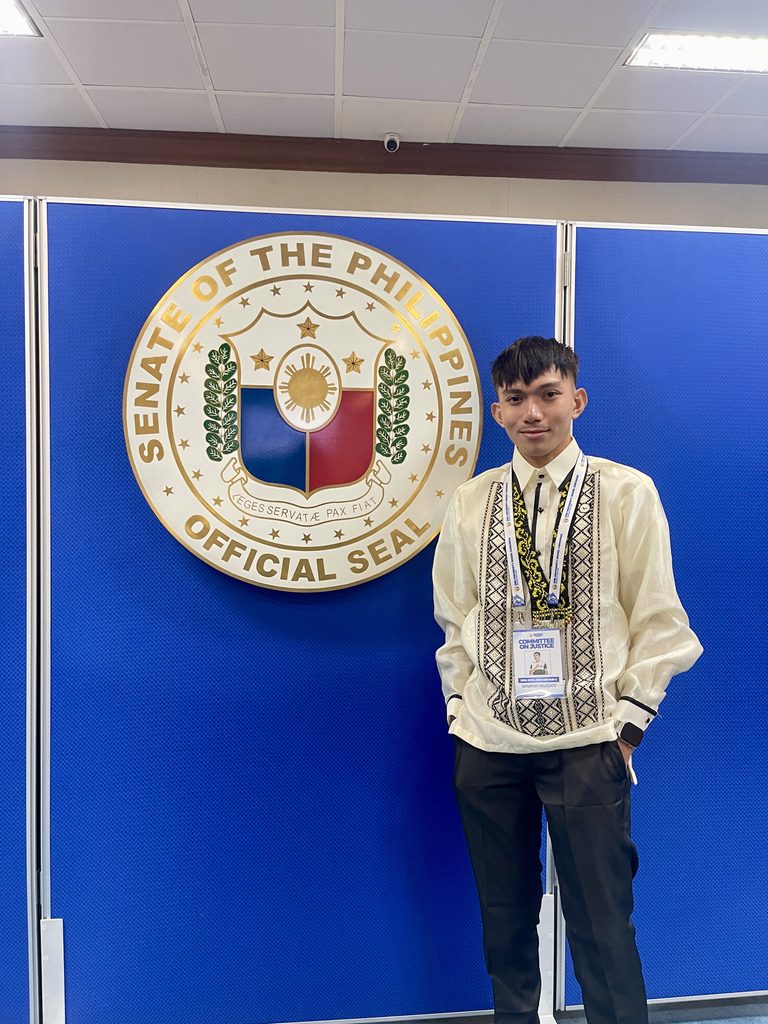
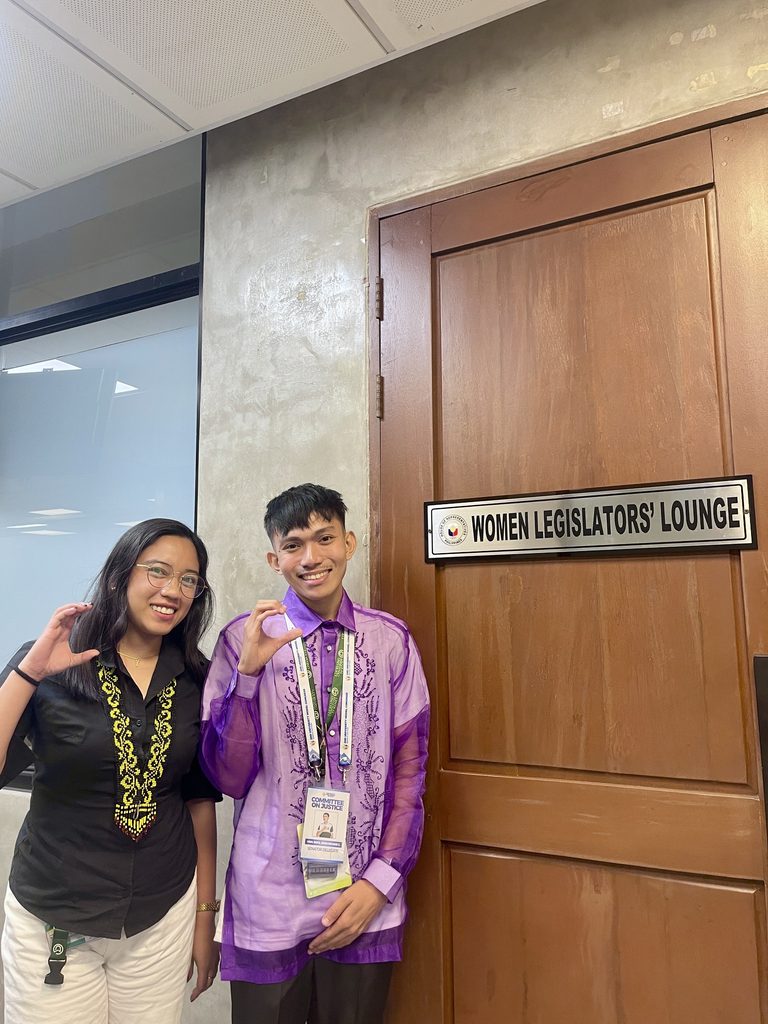
A Political Science student and Gender and Development (GAD) Head of the Supreme Student Council Jhon Richgie C. Rota, participated in the three-day program, where he was also named Best Debater in the Committee on Justice for his performance during the legislative simulation.
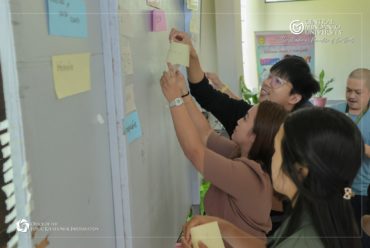
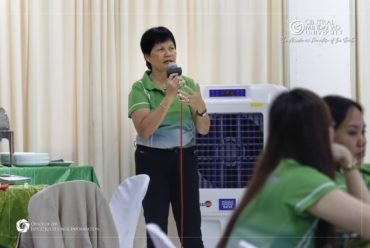
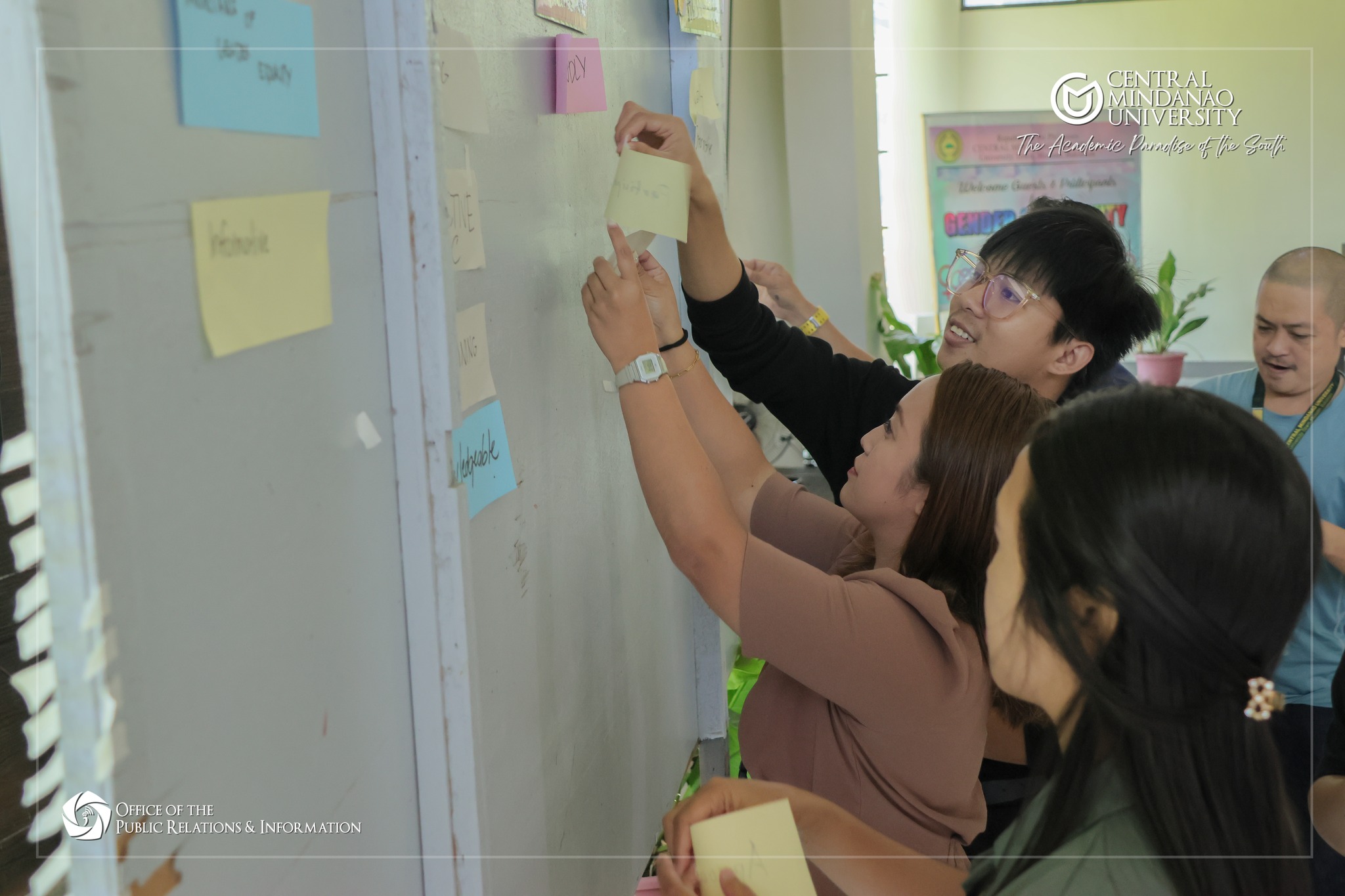
The milestone was announced during the university’s weekly flag-raising ceremony at the University Convention Center (UCC), sponsored by the University Center for Gender and Development (UCGAD), the National Service Training Program (NSTP), and the Office of Disaster Risk Reduction and Management (ODRRM). UCGAD Chief Dr. Teresita H. Borres commended Rota for his performance, recognizing his participation as an example of student engagement in advancing gender-responsive policies.
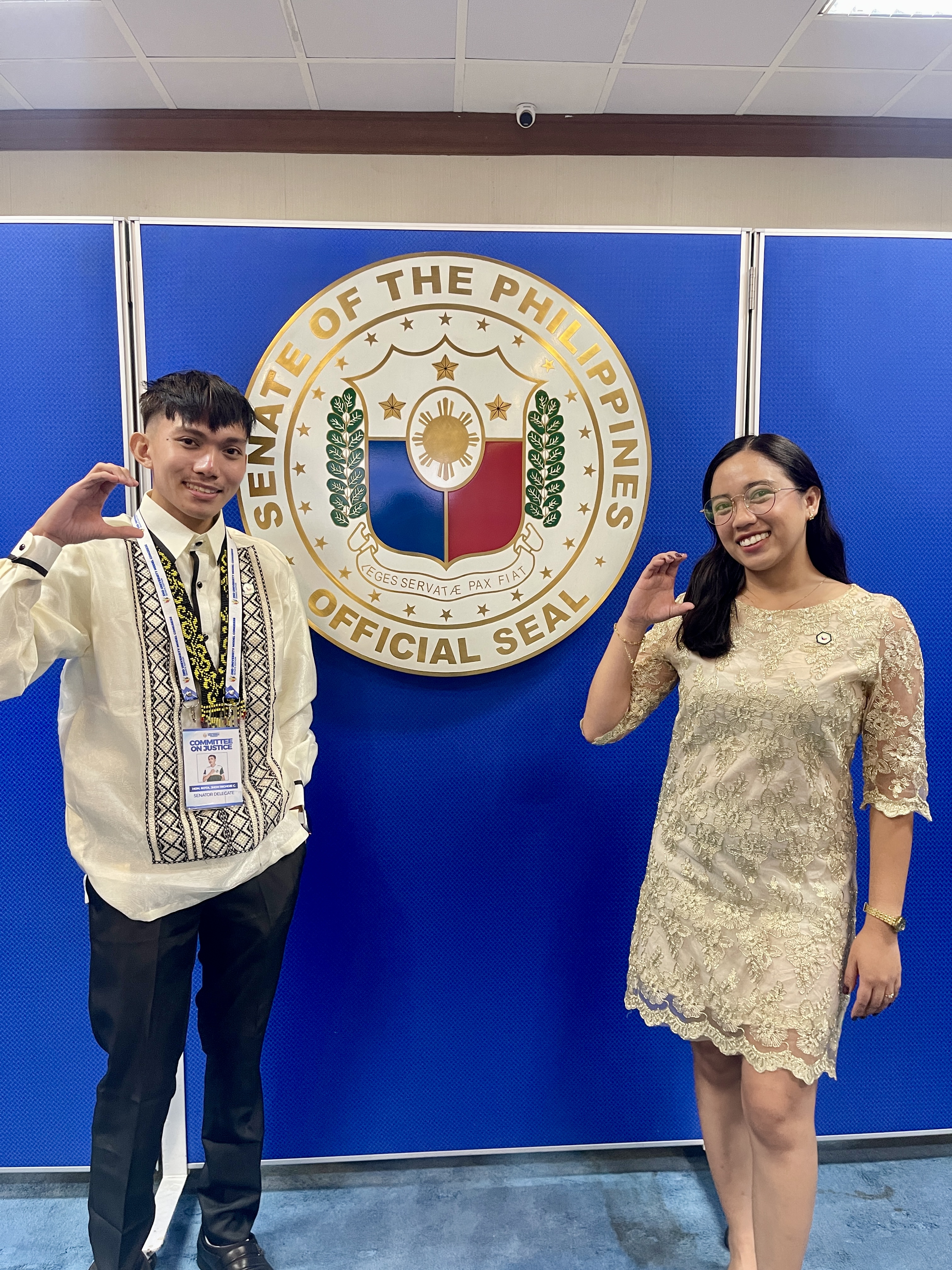
Accompanied by Ms. Dimple Jeanne M. Celebran, UCGAD focal person, Rota participated in the congress as part of CMU-UCGAD’s gender mainstreaming efforts to strengthen awareness of gender equality, promote inclusive governance, and encourage students to integrate gender perspectives into leadership and policymaking.
During the simulation, Rota authored a proposed bill seeking to mandate the Commission on Higher Education (CHED) and other concerned agencies to formulate a gender-sensitive and uniform student code of conduct for the implementation of the Civic Welfare Training Service (CWTS) and Literacy Training Service (LTS) under the National Service Training Program (NSTP), supplementing the Implementing Rules and Regulations of Republic Act No. 9163.
The proposed measure seeks to promote equal participation in national service training, regardless of gender, race, or gender expression. Rota emphasized that discipline must be exercised alongside respect for individual rights.
“Service should not be discriminating; it should be inviting regardless of gender, race, and expression,” Rota said. “Everyone should be trained with discipline while respecting their rights. And discipline is not discipline anymore if it is discriminating.”
He also co-sponsored a proposed measure directing the Juvenile Justice and Welfare Council (JJWC), in coordination with the Department of Education (DepEd) and other relevant agencies, to develop and implement a comprehensive, age-appropriate legal awareness program for children, with funding provided for its implementation.
The proposal aims to help children understand their rights and responsibilities through legal education, contributing to safer environments and communities that promote responsible behavior and prevent violence.
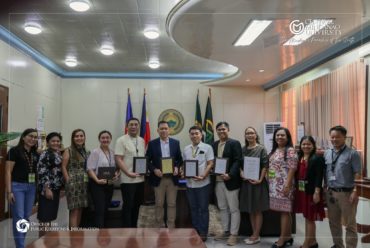
Following the simulation, the proposed measures were turned over to the offices of Senator JV Ejercito and Congressman Brian Poe for possible further lobbying and legislative action in Congress, according to Rota. The turnover provides an opportunity for the proposals developed during the student-led exercise to be considered beyond the simulation.
Reflecting on his experience, Rota described the legislative process as both technically complex and fulfilling. Experiencing deliberations inside the halls of Congress deepened his appreciation of the work required to develop proposed laws.
“I have learned how technical and complex it is to process a bill for it to become a law, yet so purposeful and fulfilling. Throughout my three-day participation, legislating is truly about selflessness, action, and communication,” he said.
He also emphasized that public service must prioritize people whose needs and concerns are often overlooked.
“I do believe that those who have less in life should have more in laws. As legislators, you are working for the people, so you should make laws for them, not for your own interest,” Rota said.
The first two days of the congress were held at the House of Representatives, covering the first reading and committee hearings, while the final day took place at the Senate of the Philippines, focusing on the second and third readings of the proposed bills.
The initiative supports Sustainable Development Goal (SDG) 5: Gender Equality, SDG 16: Peace, Justice and Strong Institutions, and SDG 4: Quality Education. [Iyren Dalipe Neri]