
Agriculture leaders present CMU research at Int’l congress in Malaysia
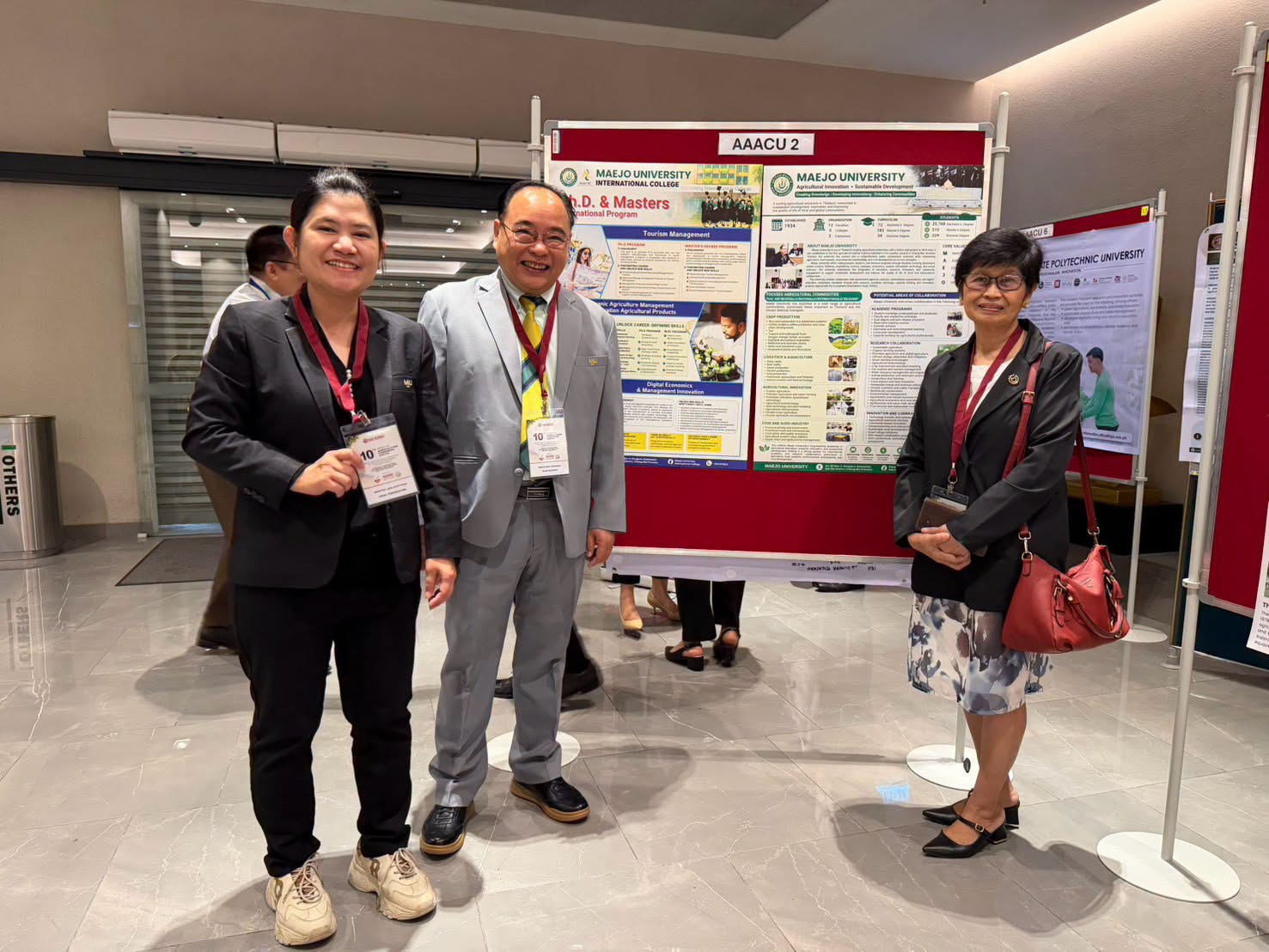
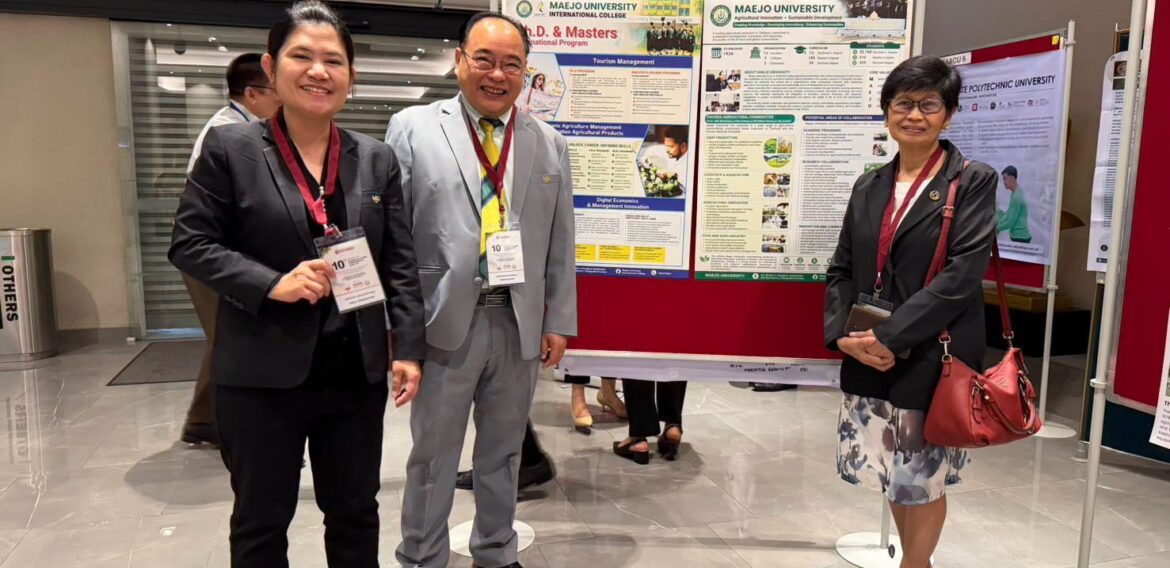
Research on agricultural resilience and food security took center stage as two agriculture leaders from Central Mindanao University (CMU) presented their studies at the 10th International Agriculture Congress (IAC10) and the 25th Biennial Conference of the Asian Association of Agricultural Colleges and Universities (AAACU 25) on September 8–10, 2026, at Courtyard by Marriott in Melaka, Malaysia.
Representing CMU were Dr. Judith D. Intong, Dean of the College of Agriculture, and Dr. Ana Celina T. Soriano, Chair of the Department of Animal Science. They were among the selected paper presenters at the international gathering, which carried the theme “Frontier Technologies for Agriculture Resilience and Food Security.”
The congress brought together 10 plenary speakers and 51 paper presenters from agricultural universities and research institutions in Malaysia, Indonesia, the Philippines, Japan, Kenya, Italy, Australia, and Thailand. Their participation provided a platform for sharing research and institutional innovations addressing climate change, agricultural resilience, and food security.
Beyond research presentations, the event opened opportunities for academic and institutional collaboration, including policy discussions with agricultural leaders, strategic partnerships, student and faculty mobility, joint research, and technology exchange.
Intong and Soriano also represented CMU during the AAACU General Assembly and Strategic Planning Sessions, where member institutions discussed future directions for the association, including frontier agricultural technologies, curriculum harmonization, and stronger regional cooperation for food security.
As an active AAACU member, CMUreaffirm its continuing engagement in international agricultural education, research, and innovation. The College of Agriculture also expressed the University Administration for its support in enabling the international participation of its faculty and opening further opportunities for global academic collaboration.
The engagement supports Sustainable Development Goal 2 (Zero Hunger) through efforts toward resilient and food-secure agricultural systems, while also contributing to SDG 17 (Partnerships for the Goals) by strengthening international academic and research collaboration. [Information from Dr. Judith D. Intong]