 Central Mindanao University Academic Paradise of the South
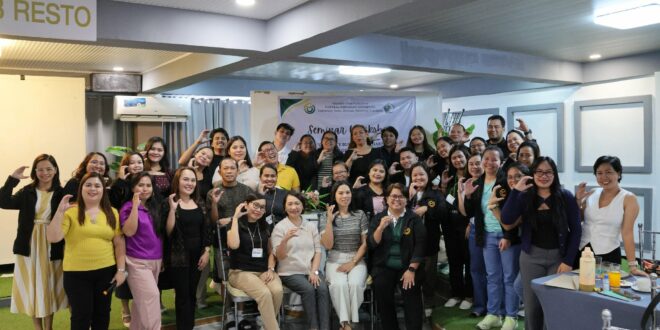
A total of 45 members of Central Mindanao University’s (CMU) Gender and Development (GAD) Focal Point System participated in a three-day Capacity Building on Harmonized Gender and Development Guidelines (HGDG) Project Design and Development from June 16 to 18, 2026, in Malaybalay City.
The participants included members of the GAD Focal Point System Executive Committee (GFPS ExeCom), GAD Technical Working Groups (TWGs) from various university units, and the GAD Secretariat. The training aimed to strengthen participants’ capacity to integrate gender perspectives into the planning, implementation, monitoring, and evaluation of university programs, projects, and activities.
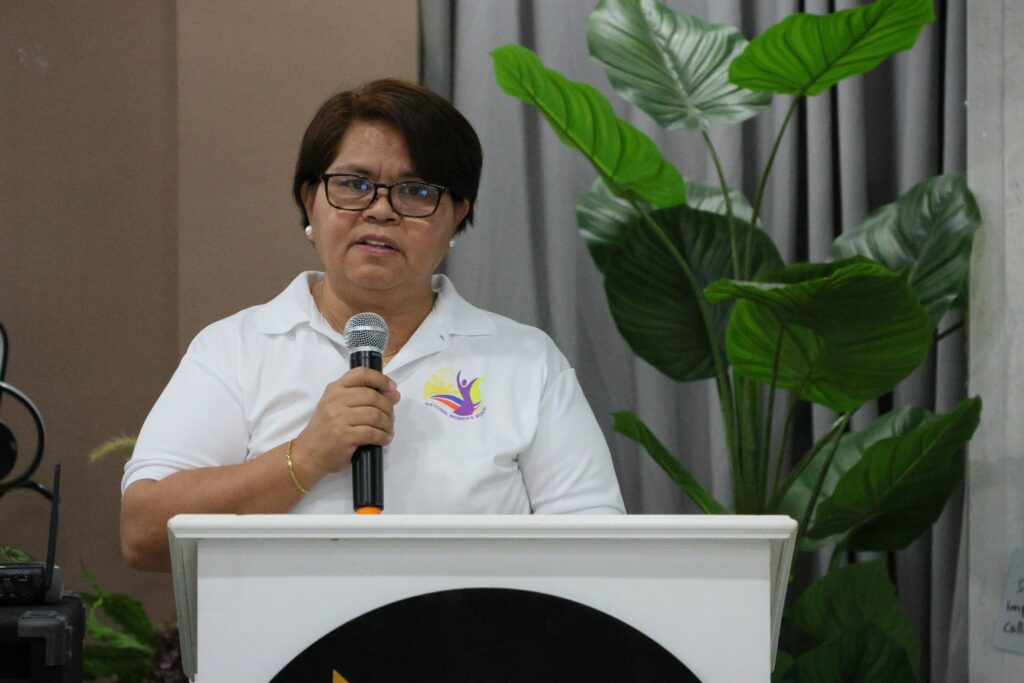
In her opening message, University Center for Gender and Development (UCGAD) Chief Dr. Teresita H. Borres emphasized that while the concept of HGDG is already familiar to many university personnel, its application in evaluating GAD programs, projects, and activities presents a new learning opportunity for many members of the GFPS.
Dr. Borres also expressed appreciation for the active participation of key university officials, including representatives from the Budget Office, Instruction, Research, and Extension sectors, noting that their presence reflects the university’s collective commitment to gender-responsive governance.
“As the core champions of our GAD Focal Point System, your presence here underscores CMU’s unwavering commitment to building an inclusive, equitable, and gender-responsive academic community,” Dr. Borres said.
She further emphasized that the HGDG serves as more than a compliance mechanism, describing it as a tool that enables institutions to integrate gender perspectives throughout the project development cycle—from project identification and planning to implementation and evaluation.
Designed to deepen participants’ understanding of gender mainstreaming, the training covered fundamental concepts of gender, gender sensitivity, Gender and Development (GAD), and the application of the HGDG Tool. Participants were also introduced to the framework’s background, rationale, and key features in developing gender-responsive initiatives.
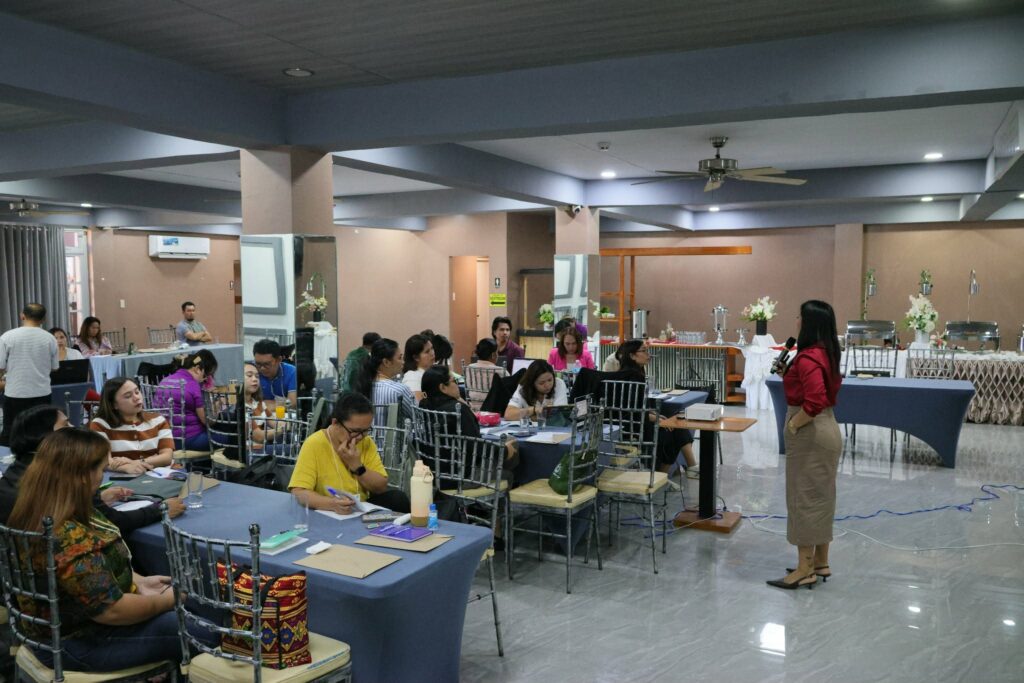
The three-day activity featured lectures, workshops, group discussions, and critiquing sessions on gender analysis, gender mainstreaming, HGDG checklist application, and the development of gender-responsive programs and projects. Participants applied these concepts through hands-on workshops that involved crafting project rationales, objectives, and proposals using the HGDG framework.
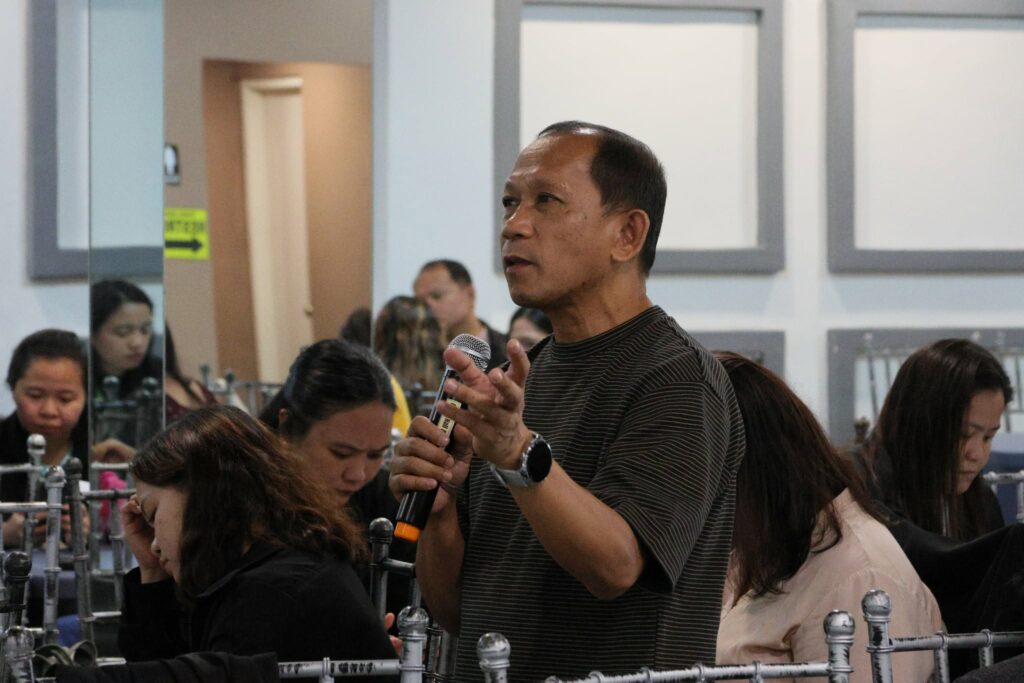
In an interview, Charlie A. Mundal, CMU Budget Officer, shared that the training highlighted the important role of budgeting in advancing gender equality and inclusive development.
“As a Budget Officer, attending the HGDG training broadened my understanding of how budgeting serves as a strategic tool for promoting gender equality and inclusive development,” Mundal said. He added that the activity strengthened his capacity to support gender-responsive planning, budgeting, monitoring, and evaluation, ensuring that resources are directed toward programs that address gender issues and contribute to equitable outcomes.
Meanwhile, Ruby Casas of the CMU Legal Office and a member of the GAD Technical Working Group shared that the training transformed her perspective on Gender and Development initiatives.
“Before the training, I viewed GAD primarily as a requirement that needed to be incorporated into programs and projects. The discussions helped me realize that gender responsiveness goes beyond compliance—it is about ensuring that projects genuinely address the different needs and realities of the people we serve,” Casas said.
She noted that the HGDG provides a practical framework for identifying gender issues and integrating appropriate interventions throughout the project cycle. The workshop activities also demonstrated how gender analysis can improve the effectiveness and impact of programs while ensuring that no sector is left behind.
The training also provided guidance on the proper attribution of HGDG scores to the Gender and Development Plan and Budget (GPB), helping ensure compliance with national GAD policies and the effective utilization of GAD resources.
The activity reflects CMU’s continuing efforts to institutionalize gender mainstreaming and strengthen gender-responsive governance across its academic, research, extension, and administrative functions. It likewise contributes to the attainment of the United Nations Sustainable Development Goal (SDG) 5 on Gender Equality and SDG 16 on Peace, Justice, and Strong Institutions. [Iyren Dalipe Neri]