

CMU BIDANI pushes for passage of BIDANI Bill before House Committee
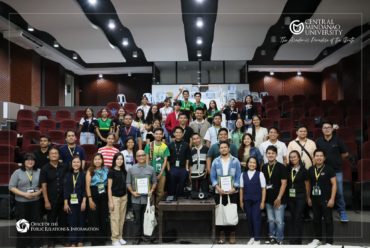
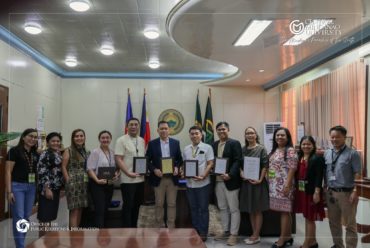
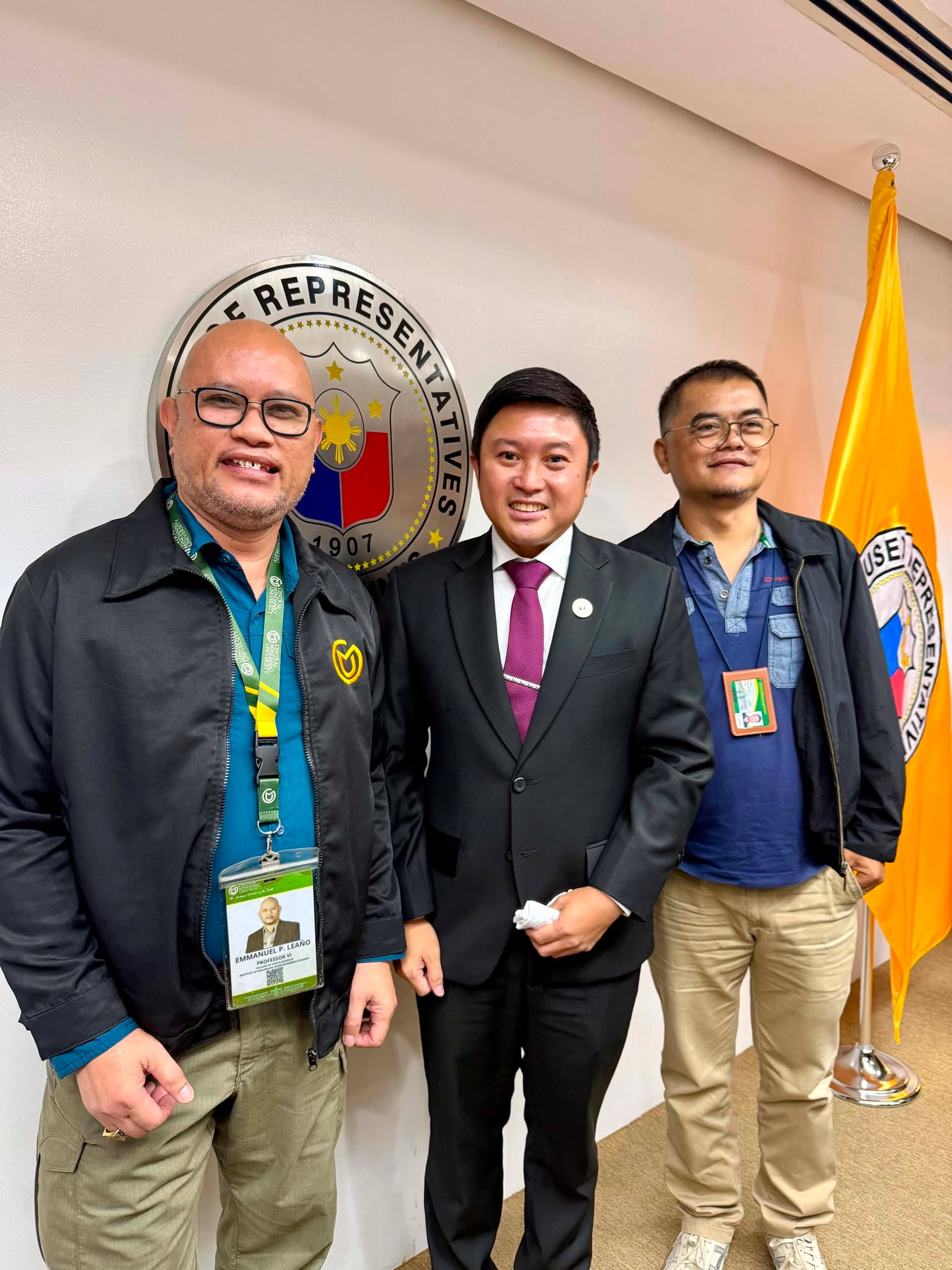
Representatives from Central Mindanao University (CMU) joined the regular meeting of the House Committee on Rural Development on May 19 at the Ramon V. Mitra Building in Quezon City to express support for proposed measures seeking to institutionalize the Barangay Integrated Development Approach for Nutrition Improvement (BIDANI) Program nationwide.
The committee meeting tackled House Bill Nos. 666, 3562, 4967, and 084, all seeking to establish BIDANI as a linkage program among state universities and colleges (SUCs), local government units, and communities to improve nutrition and rural development.
Representing CMU were Dr. Emmanuel P. Leaño, CMU-BIDANI Project Leader, and Reymlani P. Sullera. During the meeting, the CMU delegation shared insights and recommendations drawn from the university’s decades-long experience implementing community-based nutrition and rural development initiatives in Bukidnon.
In his manifestation before the committee chaired by Wilton ‘Tonton’ T. Kho, Dr. Leaño emphasized CMU’s strong support for the passage of the BIDANI Bill on behalf of CMU President Rolito G. Eballe and the university community.
“For over three decades, Central Mindanao University has served as a living laboratory for the BIDANI approach,” Dr. Leaño said.
Dr. Leaño highlighted the accomplishments of CMU-BIDANI, including a 71.77 percent improvement rate among children enrolled in domiciliary nutrition rehabilitation programs, the capacitation of 78 barangays in participatory and data-driven development planning, and the release of more than ₱11.5 million in microfinance loans benefiting women and rural households.
“Our experience in Bukidnon has proven that when State Universities and Colleges partner directly with Local Government Units, we can create measurable, life-changing results,” he added.
He also underscored the challenges faced by the program due to the absence of a permanent national framework.
“Despite these successes, the program has faced persistent challenges due to the lack of a permanent national framework—specifically regarding irregular funding and the absence of plantilla positions for dedicated personnel,” Dr. Leaño said.
Calling the proposed legislation the “missing link,” Dr.Leaño said the BIDANI Bill would provide institutionalization, stable funding, and legal recognition needed to transform the program into a permanent pillar of rural development.
“It is not just an investment in a program; it is an investment in the health, self-reliance, and dignity of the Filipino rural poor,” he told the committee.
Dr. Leaño stressed that the institutionalization of BIDANI comes at a crucial time as many rural communities in the Philippines continue to face persistent challenges related to malnutrition, poverty, food insecurity, and limited access to development opportunities. Through stronger collaboration among SUCs, LGUs, and national agencies, the proposed measure seeks to strengthen community-based interventions and improve the delivery of nutrition and rural development programs at the grassroots level.
CMU’s position paper presented at the meeting traced the university’s engagement with BIDANI back to the early 1990s, when it joined a consortium of SUCs piloting the BIDANI approach. Since then, CMU-BIDANI has implemented programs focused on nutrition rehabilitation, food security, participatory governance, microfinance, natural resource management, and regional capability-building across Mindanao.
The university also emphasized that the institutionalization of BIDANI would strengthen SUC-LGU partnerships, ensure stable operational support, and expand successful community development models across the country.
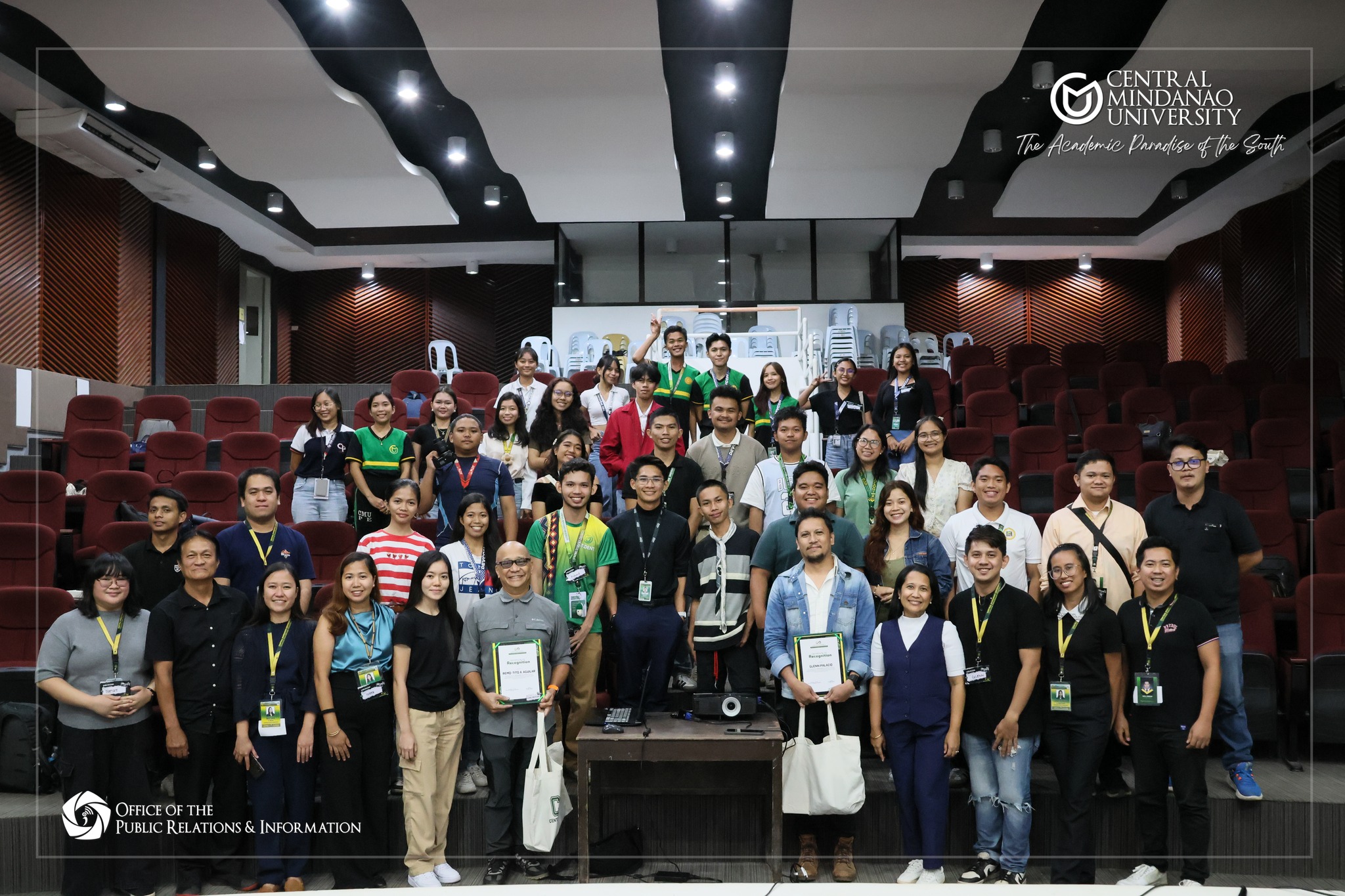
Among those present during the hearing were representatives from Visayas State University, Central Luzon State University, Bicol University, the National Nutrition Council, and the Barangay Captain of Alibungbungan, Nagcarlan. CMU-BIDANI’s initiatives are part of the broader BIDANI Network Program led by the BIDANI Program of the Institute of Human Nutrition and Food (IHNF), College of Human Ecology (CHE), University of the Philippines Los Baños. [Iyren Dalipe Neri]