 Central Mindanao University Academic Paradise of the South
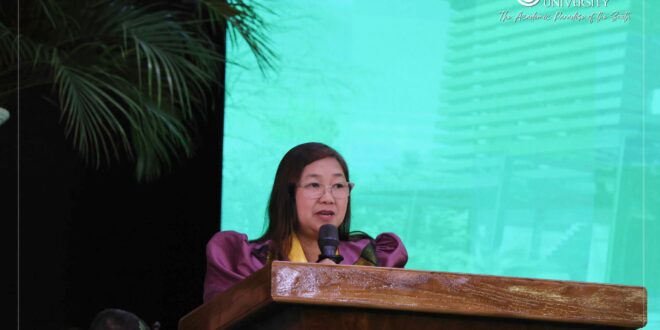
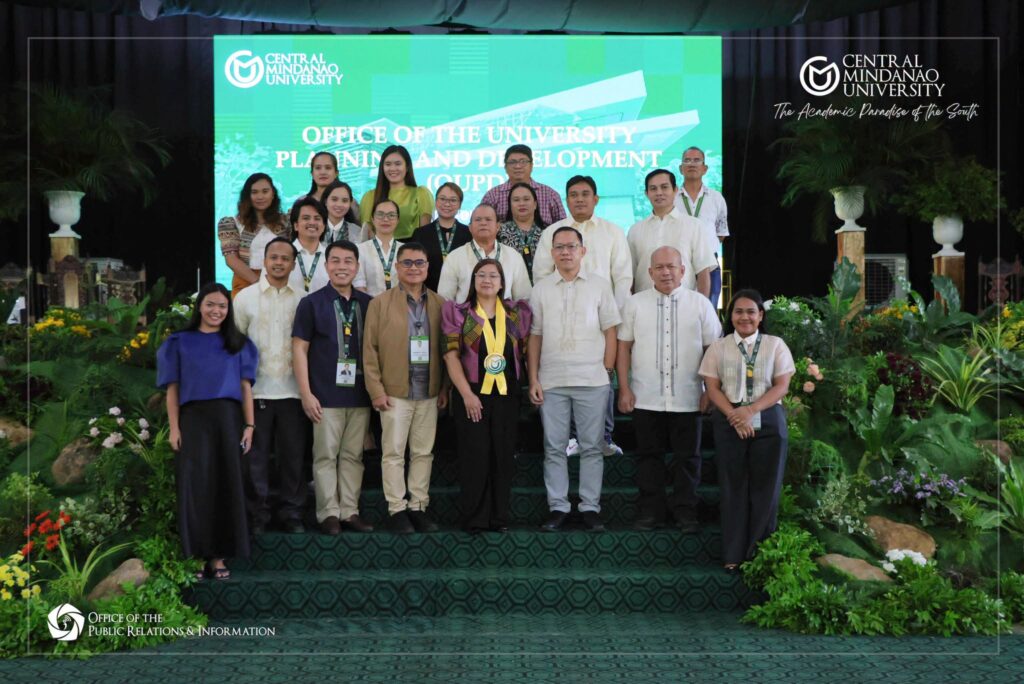
The vital role of science and research in building disaster-resilient communities took center stage as faculty, staff, students, and university officials gathered for Central Mindanao University’s (CMU) July Quarterly Convocation on July 13 at the University Convention Center.
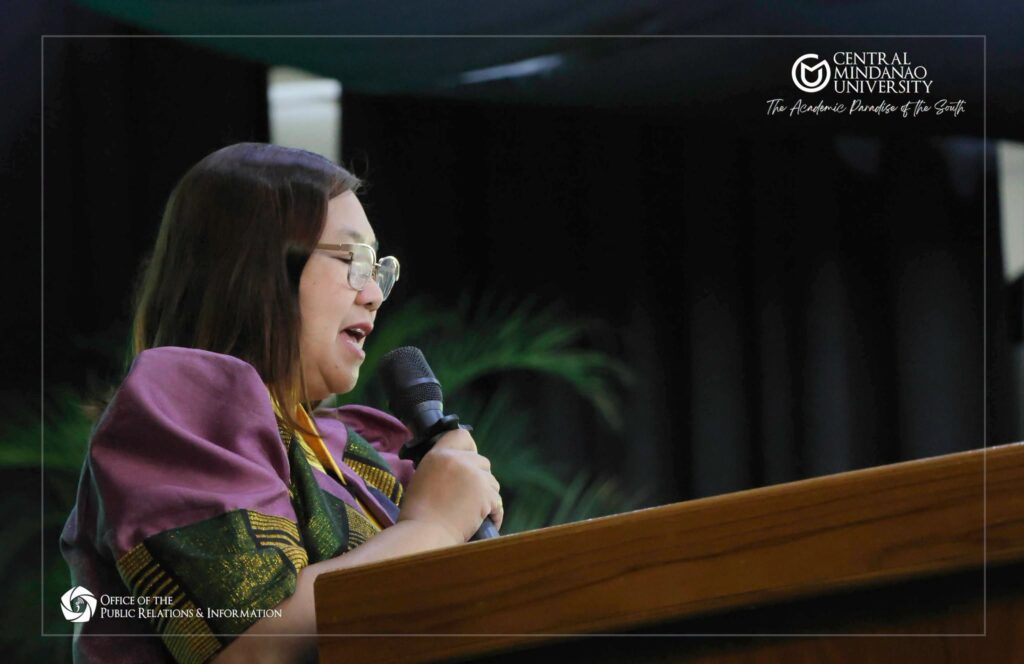
Anchored on the theme, “Research, Innovation, and Resilience: Strengthening Communities in the Face of Disasters,” the convocation highlighted the importance of translating research into practical solutions that protect lives, strengthen livelihoods, and support sustainable community development.
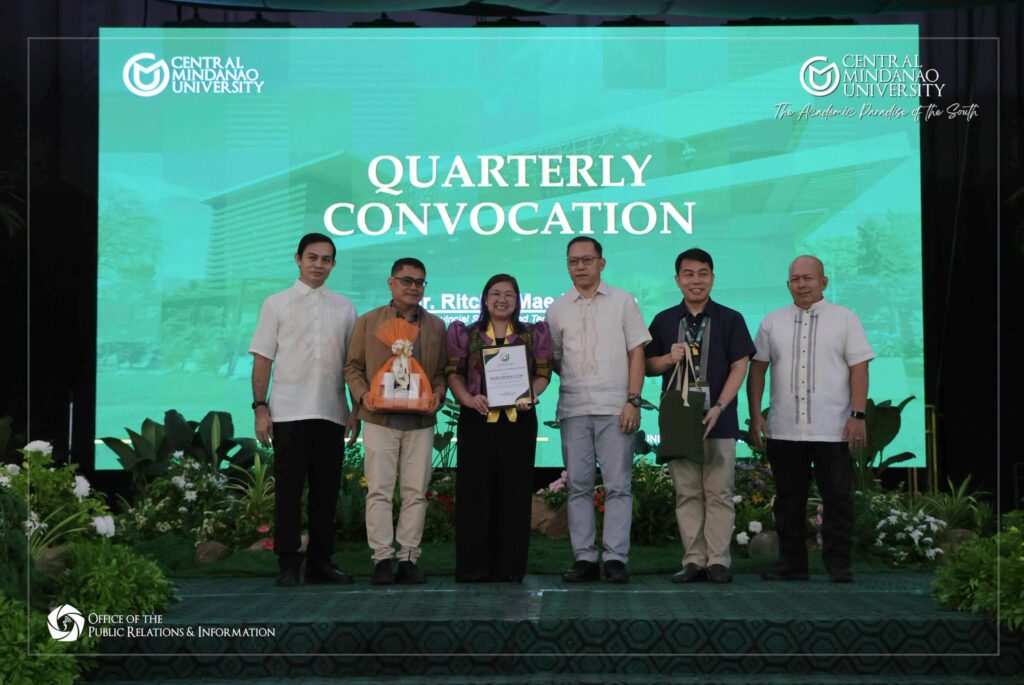
Serving as guest speaker was Dr. Ritchie Mae L. Guno, Provincial Science and Technology Director of the Department of Science and Technology (DOST)-Bukidnon, who underscored the urgency of harnessing science, technology, and innovation to address the country’s increasing vulnerability to natural hazards.
Citing the Philippines’ exposure to earthquakes, volcanic eruptions, typhoons, floods, and landslides, Guno emphasized that while disasters cannot always be prevented, their impacts can be significantly reduced through evidence-based planning, innovation, and strong collaboration among institutions and communities.
She highlighted the crucial role of universities in generating knowledge, developing technologies, and producing research that informs public policy and community action.
“Research becomes truly meaningful when it goes beyond publication. Its greatest value is realized when it reaches our farmers, fisherfolk, local governments, indigenous peoples, schools, and vulnerable communities,” Guno stressed.
The DOST official also showcased several science-based initiatives being implemented across Bukidnon, including the Community Empowerment through Science and Technology (CEST) Program, Automated Rain Gauges and Water Level Monitoring Systems, GeoRiskPH tools such as HazardHunterPH and GeoAnalyticsPH, communication technologies for geographically isolated communities, portable solar dryers for coffee farmers, and the SafeWaters solar-powered water purification system. These innovations, she noted, are helping communities become better prepared for disasters while improving food security, water access, and sustainable livelihoods.
Addressing CMU’s faculty members and researchers, Guno encouraged them to pursue research that directly addresses societal challenges, emphasizing that the true measure of research lies in the positive change it creates for communities. She likewise challenged students to view research not merely as an academic requirement but as an opportunity to solve real-world problems through curiosity, innovation, and critical thinking.
Her message closely reflected Central Mindanao University’s continuing efforts to ensure that research creates tangible societal impact. Through its Research, Development, and Extension (RDE) programs, the University has consistently advanced community-responsive research and extension initiatives that address agriculture, food security, environmental sustainability, disaster preparedness, and rural development. The University’s recently concluded Student Research Congress and its annual RDE Congress show CMU’s commitment to supporting research and innovation among faculty and students.
In her closing message, Guno commended CMU for fostering a culture of research excellence, innovation, and public service while reaffirming DOST’s commitment to strengthening its partnership with the University in advancing a safer, smarter, more resilient, and sustainable Northern Mindanao.
“Padayon kita sa pagpalambo sa siyensya, teknolohiya, ug inobasyon aron ang matag komunidad mahimong mas lig-on, mas andam, ug mas malungtaron,” she concluded.
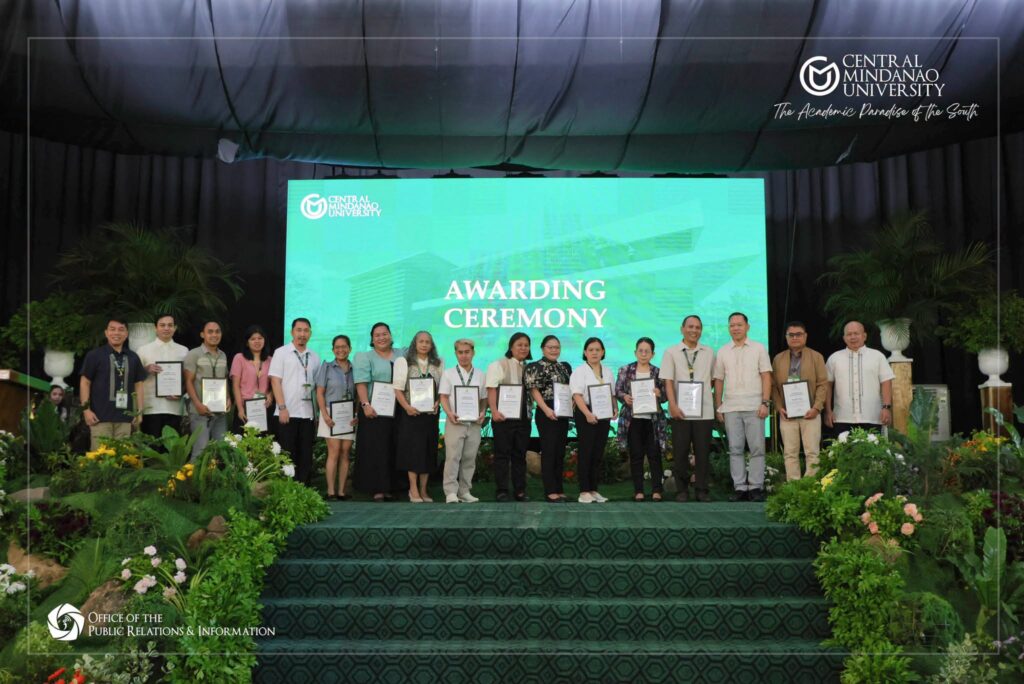
The quarterly convocation also featured the recognition of employees for their outstanding contributions to the University, reaffirming CMU’s commitment to honoring excellence in service alongside its pursuit of academic and research excellence. [Iyren Dalipe Neri]