
Biology PhD student expands research horizons in Thailand

Advanced laboratory training and international collaboration are providing new opportunities for a Biology doctoral student currently undertaking a month-long research internship in Thailand, from May 29 to June 29.
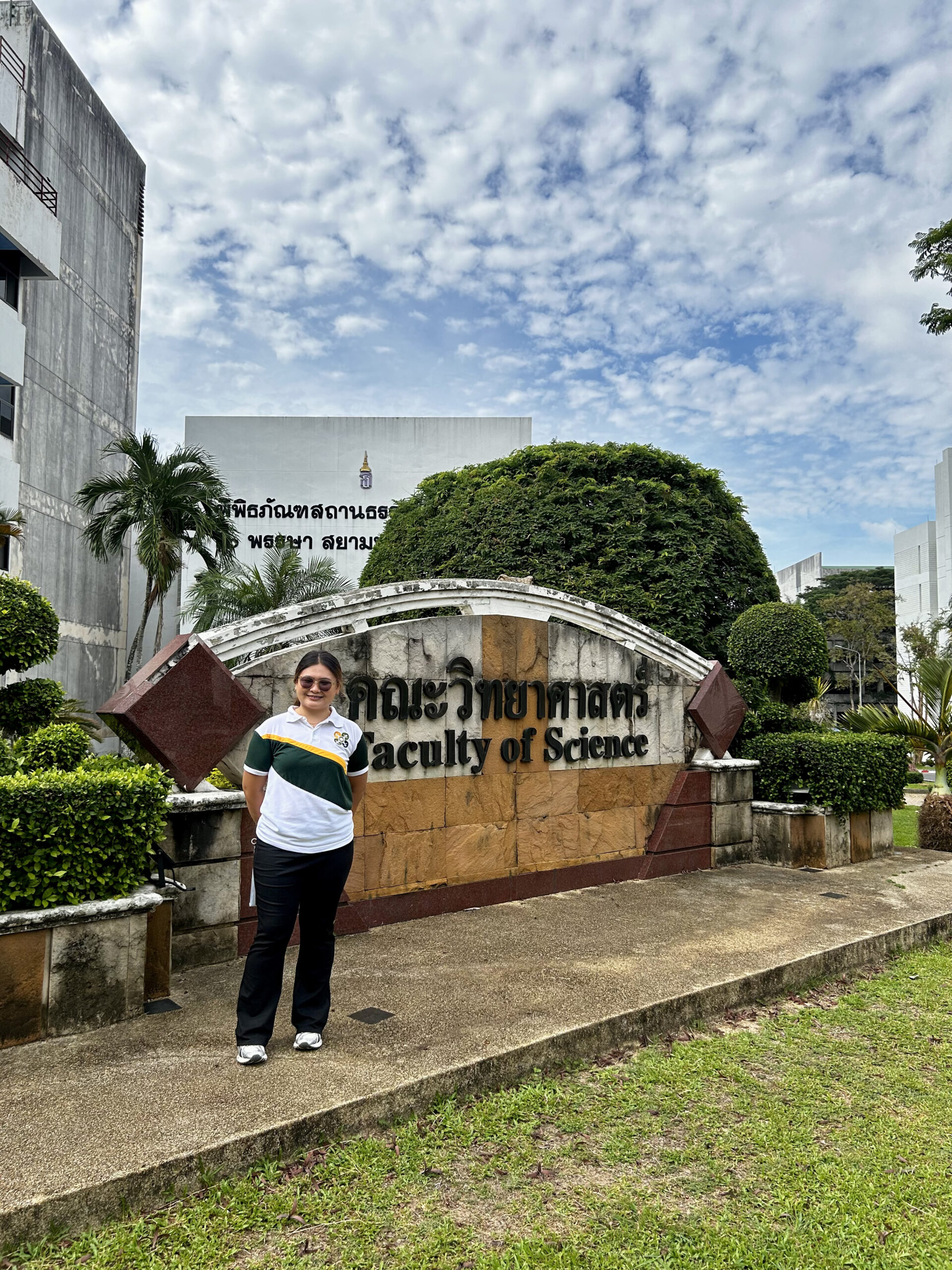
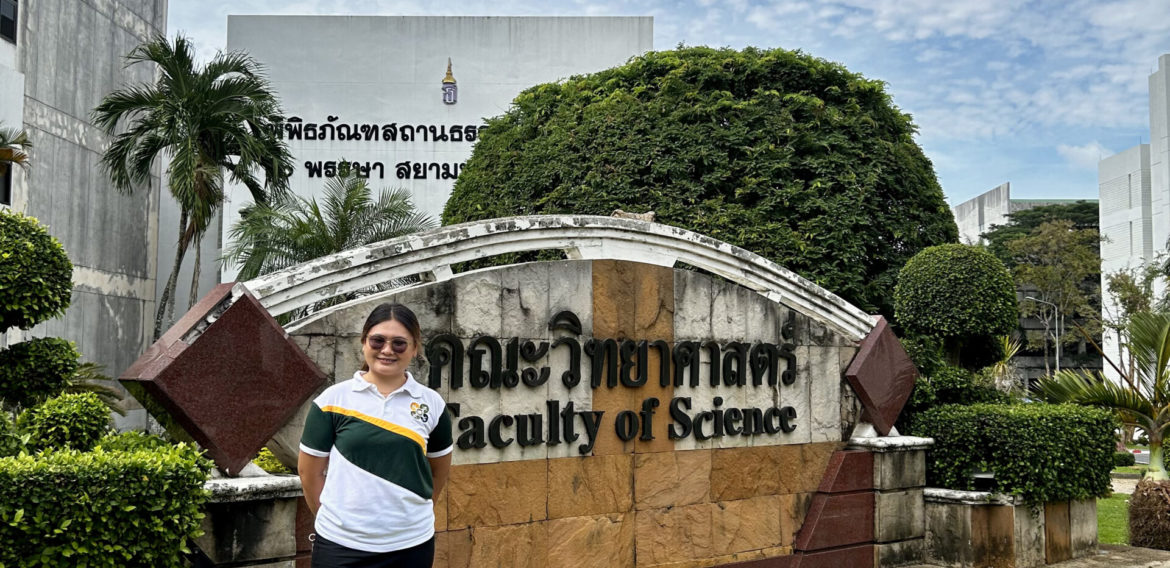
Kristina Casandra L. Pava, a PhD student in Biology majoring in Molecular Biology and Biotechnology, is participating in a four-week Graduate Research Internship at the Faculty of Science of Prince of Songkla University (PSU) in Hat Yai, Thailand.
Working under the supervision of Assoc. Prof. Dr. Pissared Muangnil at the Gut Physiology Laboratory, Pava, is gaining hands-on experience in experimental techniques used in biomedical and physiological research. Her training includes animal handling and organ harvesting using murine models, as well as the organ bath technique, a widely used method for studying the physiological responses of isolated tissues such as the colon and aorta.
The internship directly supports her dissertation research, particularly the acute oral toxicity assessment of a probiotic strain isolated from Musa acuminata × balbisiana (Saba). The knowledge and methodologies she acquires through the program are expected to strengthen the scientific rigor of her future animal studies and safety evaluations of probiotic candidates.
In addition to the technical training, Pava collaborates with an Indonesian PhD student and Thai undergraduate interns, exposing her to a multicultural research environment and international scientific practices. The experience has allowed her to build professional networks while gaining insights into collaborative research and innovation.
In an online interview, Pava said she initially expected adjusting to life in Thailand to be challenging because of language barriers and the demands of living independently in a foreign country. However, the support extended by her supervisor, the university’s international relations staff, and her classmate helped ease the transition.
“PSU quickly felt like a second home,” she shared, adding that the flexible laboratory schedule has allowed her to continue analyzing data for her dissertation while learning new research techniques.
“Most importantly, I expect to apply the methodologies I am learning here, particularly those involving acute oral toxicity studies in mouse models, directly to my dissertation research since they closely align with the objectives of my project,” Pava shared.
Pava hopes that more students will be given opportunities to train abroad, emphasizing that international exposure helps develop globally competitive scientists capable of addressing emerging research challenges.
The internship highlights the value of internationalization in graduate education by providing students with access to advanced methodologies, diverse research environments, and global academic networks. It also contributes to the attainment of Sustainable Development Goal 4 (Quality Education) and Sustainable Development Goal 17 (Partnerships for the Goals). [Iyren Dalipe Neri with Information from Kristina Casandra L. Pava, Graduate Student, IBS]