
CMU hosts Malaysian researcher to advance tick-borne disease research collab

Efforts to strengthen infectious disease research and laboratory capacity in Southeast Asia took center stage as Central Mindanao University (CMU) hosted a scientific exchange seminar on June 3, 2026, featuring a researcher from Universiti Malaya.
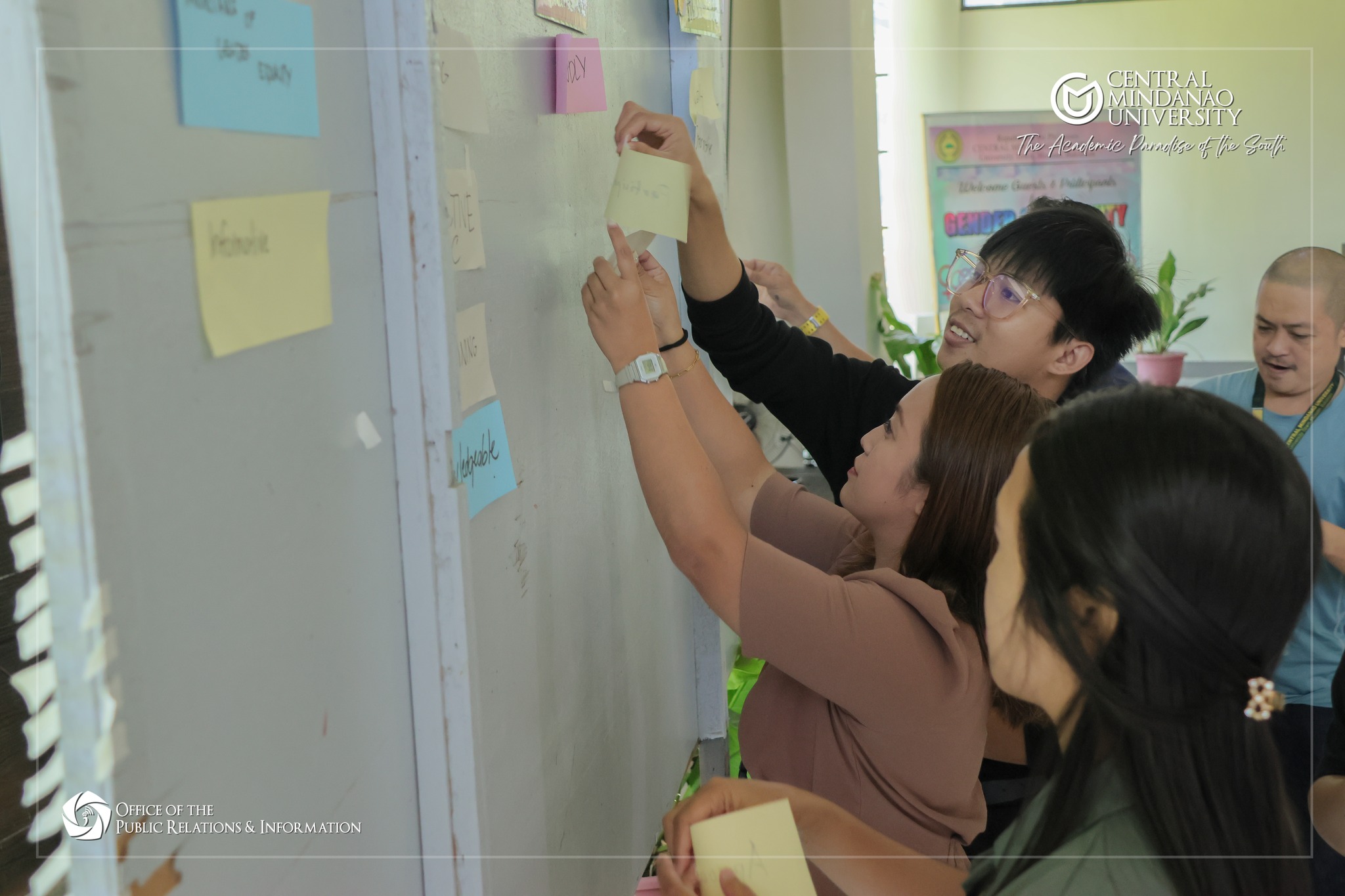
Organized by the College of Veterinary Medicine (CVM) through its Department of Microbiology, Parasitology, Pathology and Public Health (MPPPH), in partnership with the Office of the Vice President for Research, Development and Extension (OVPRDE), the seminar titled “Tick Cell Biobank Asia Outpost: Strengthening Laboratory Capacities in Southeast Asia” was held at the Center for Gender and Development Hall.
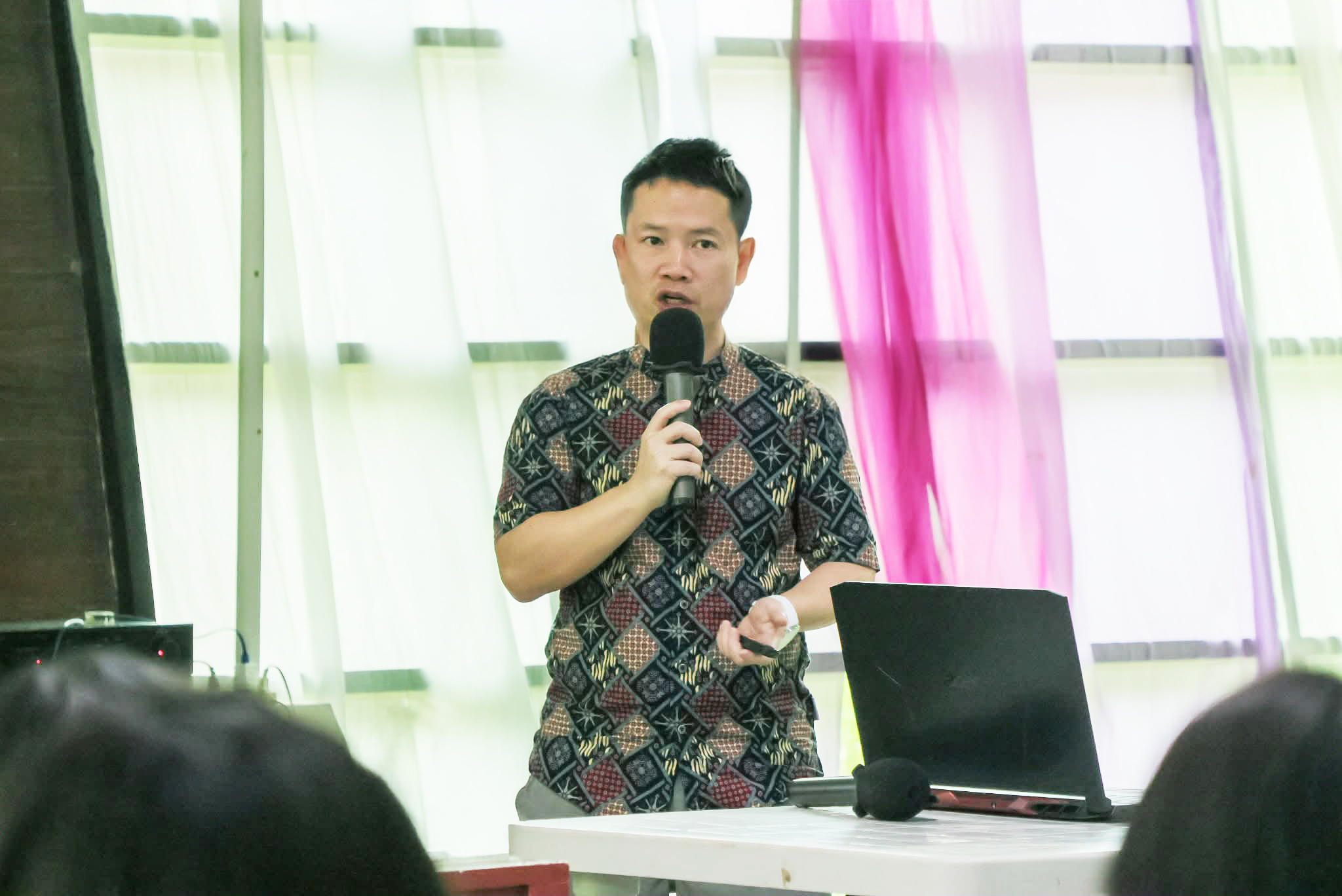
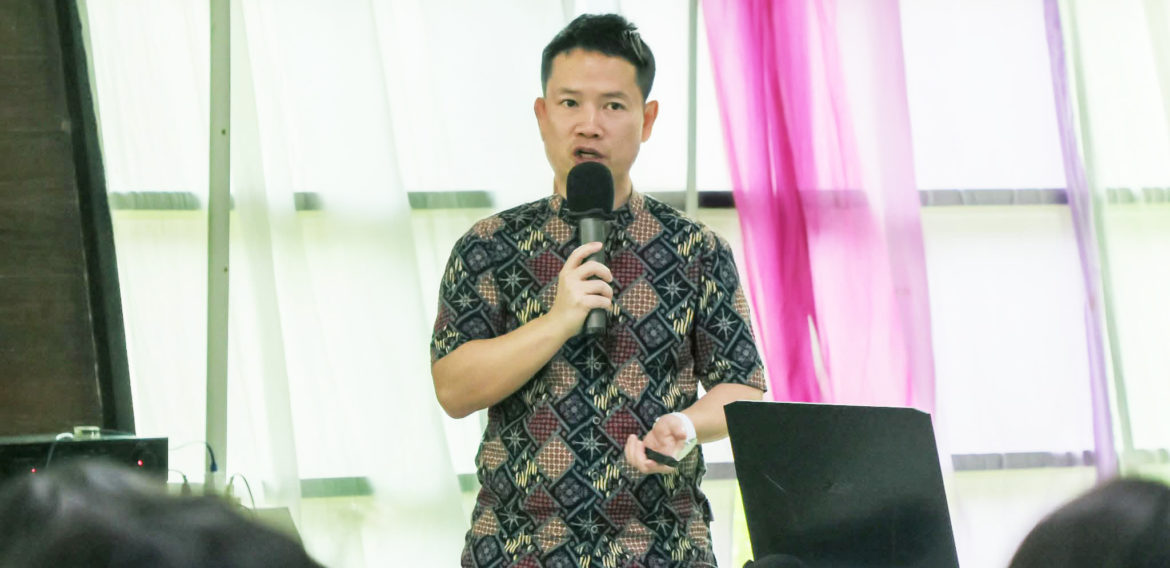
The seminar featured Dr. Shih Keng Loong, a researcher from the Tropical Infectious Diseases Research and Education Centre (TIDREC), who discussed the role of the Tick Cell Biobank Asia Outpost in advancing research, training, and laboratory capacity building for tick-borne and emerging infectious diseases in Southeast Asia.
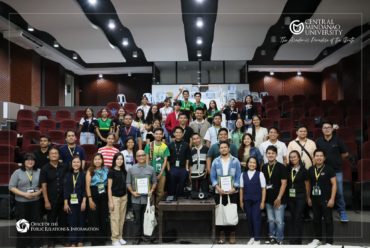
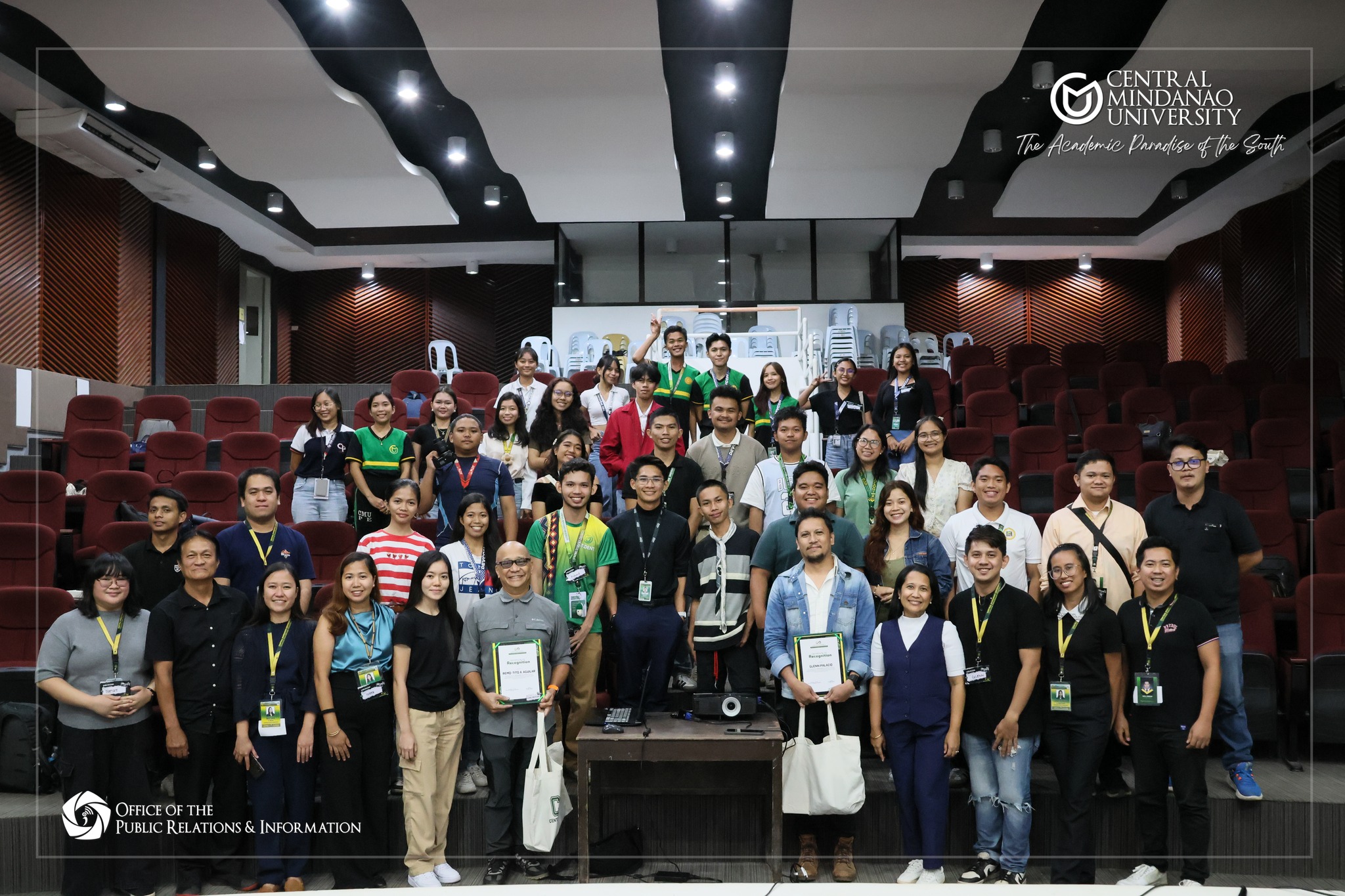
Faculty members, researchers, staff, and students from various colleges and departments attended the seminar, particularly those involved in veterinary medicine, biological sciences, agriculture, and public health. The activity aimed to increase awareness of tick cell culture technologies and their applications in infectious disease research, vector-borne disease surveillance, laboratory diagnostics, biosafety, and biosecurity.
During his presentation, Dr. Loong introduced the Tick Cell Biobank Asia Outpost, the only Tick Cell Biobank serving the Asia-Pacific region and one of only four such facilities worldwide. The biobank maintains tick-derived cell lines of medical and veterinary significance and provides specialized training in tick cell culture techniques to support research on vector biology and tick-borne diseases.
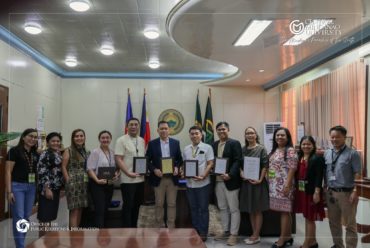
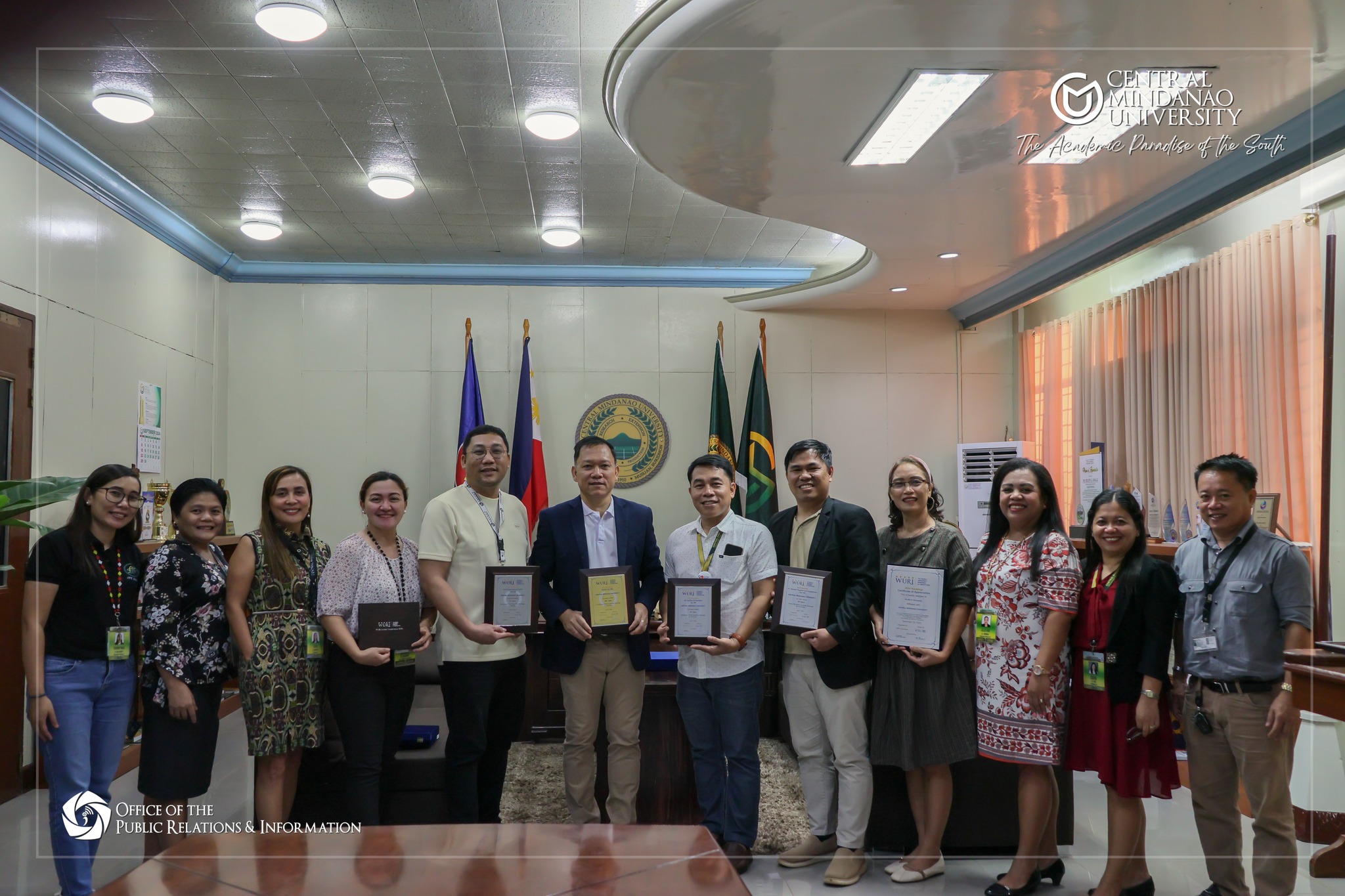
Following the seminar, CMU representatives and Dr. Loong held discussions on potential areas of collaboration, including joint research projects, laboratory partnerships, faculty and student mobility programs, training opportunities, and other academic exchanges.
The meeting identified shared research interests in infectious diseases, molecular detection, zoonoses, antimicrobial resistance, biosafety, biosecurity, and the One Health approach, providing a foundation for future cooperation between CMU and Universiti Malaya.
The scientific exchange highlighted the importance of international partnerships in strengthening research capabilities and addressing regional and global health challenges through collaborative initiatives in infectious disease research and laboratory development.
The activity also contributes to achieving the United Nations Sustainable Development Goals, particularly SDG 3 (Good Health and Well-Being), SDG 4 (Quality Education), SDG 9 (Industry, Innovation, and Infrastructure), and SDG 17 (Partnerships for the Goals).[Information from the College of Veterinary Medicine]