 Central Mindanao University Academic Paradise of the South
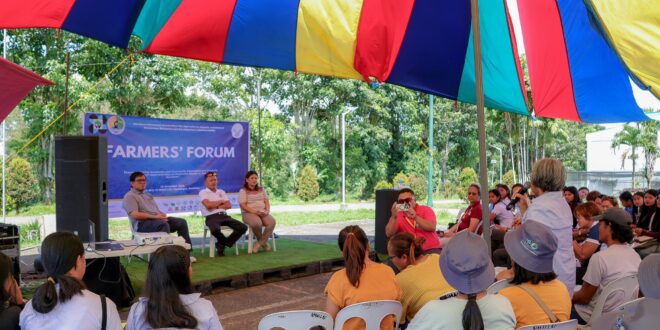
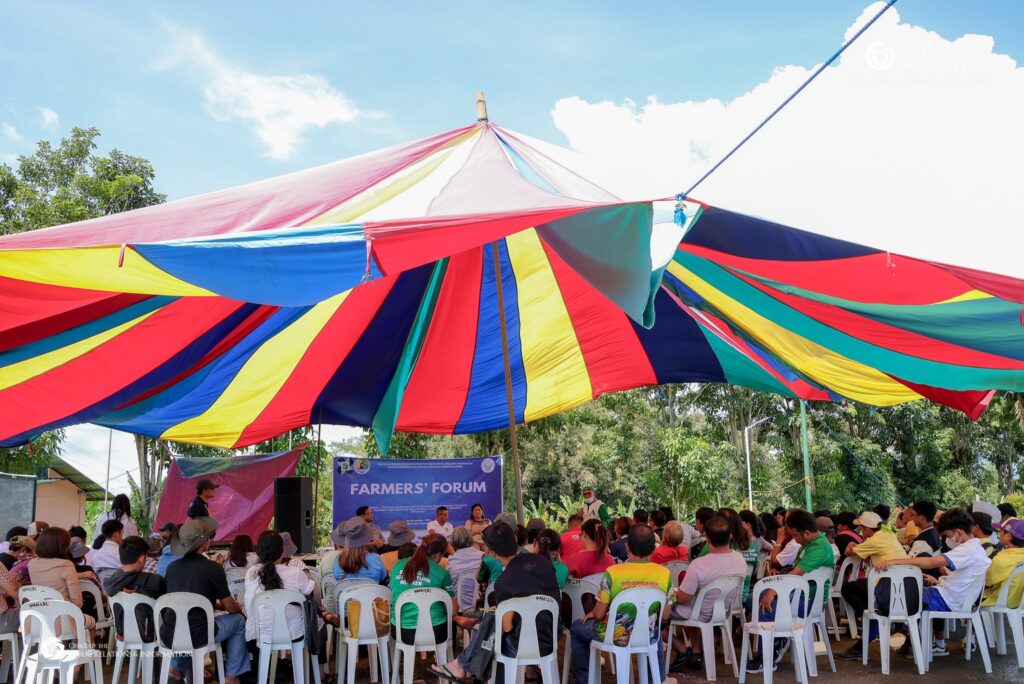
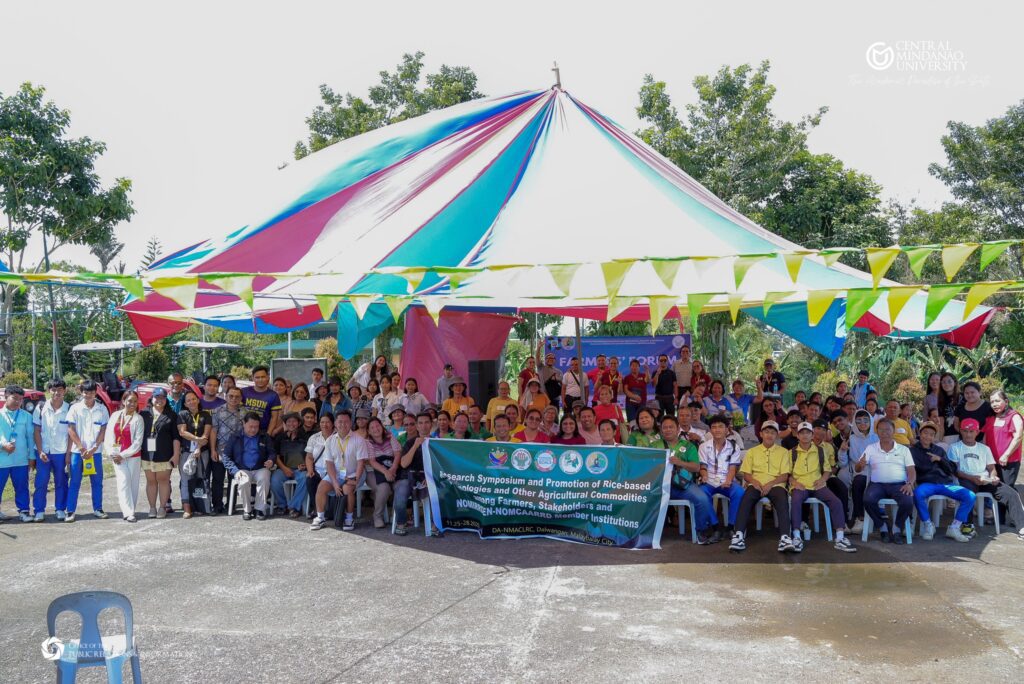
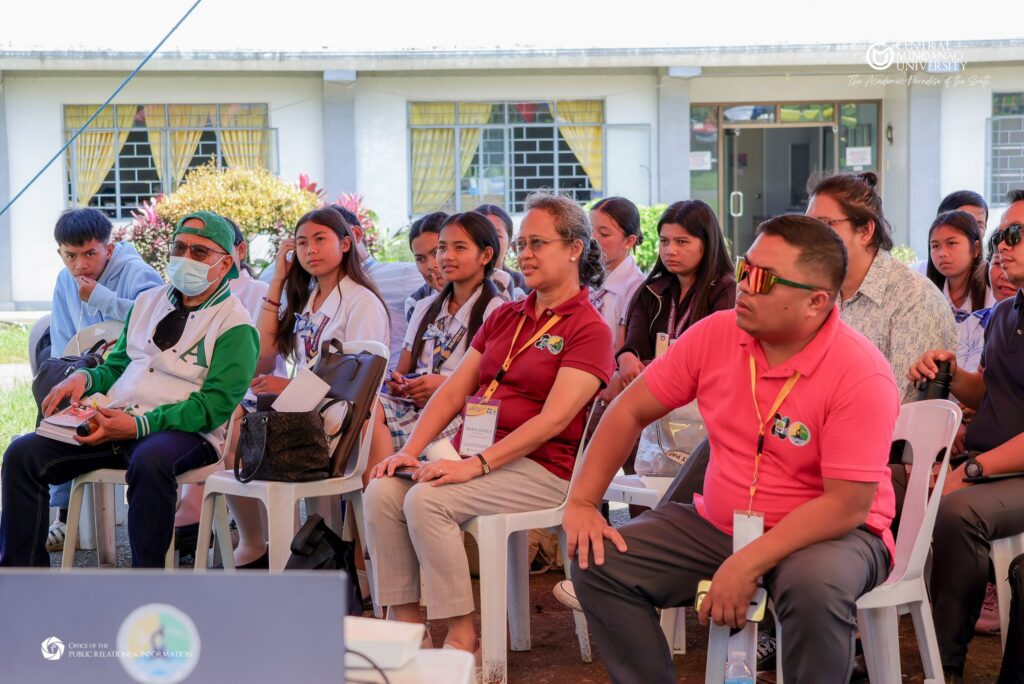
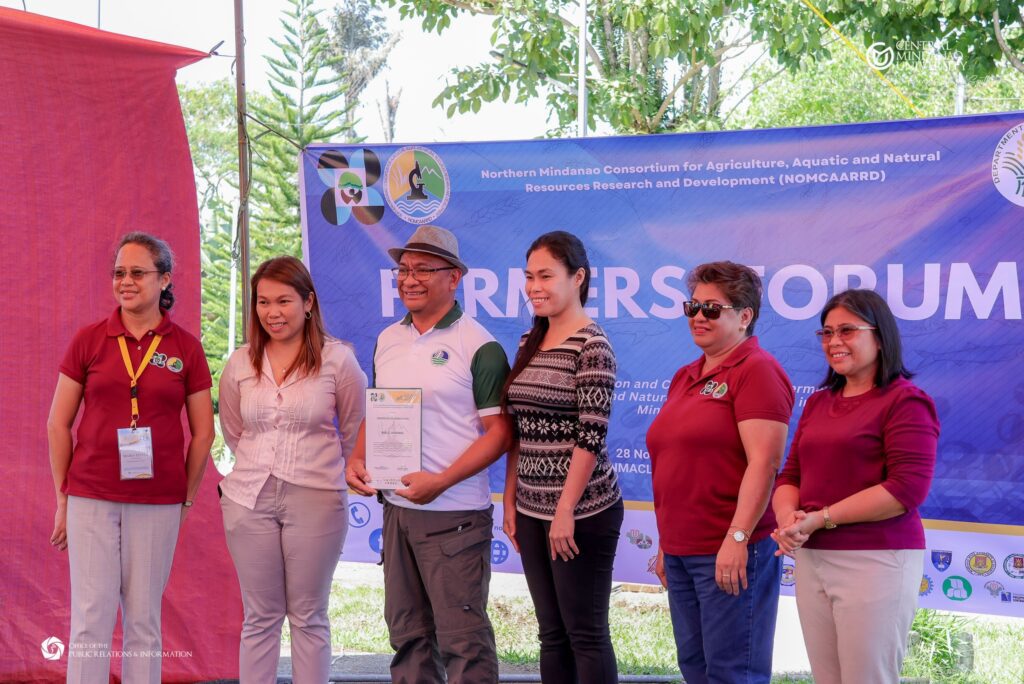
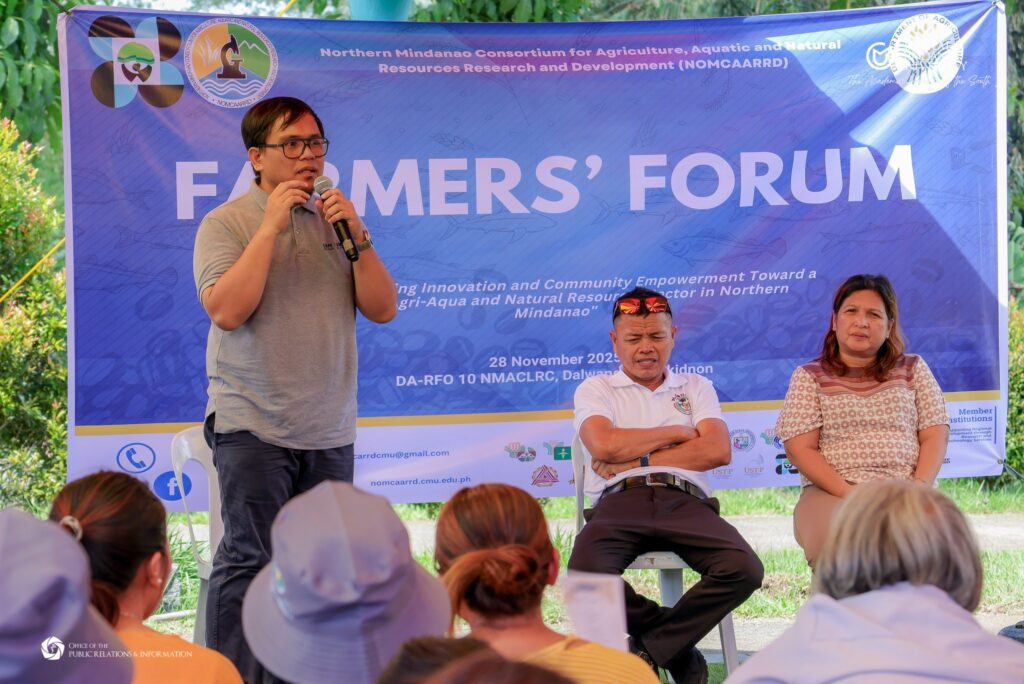
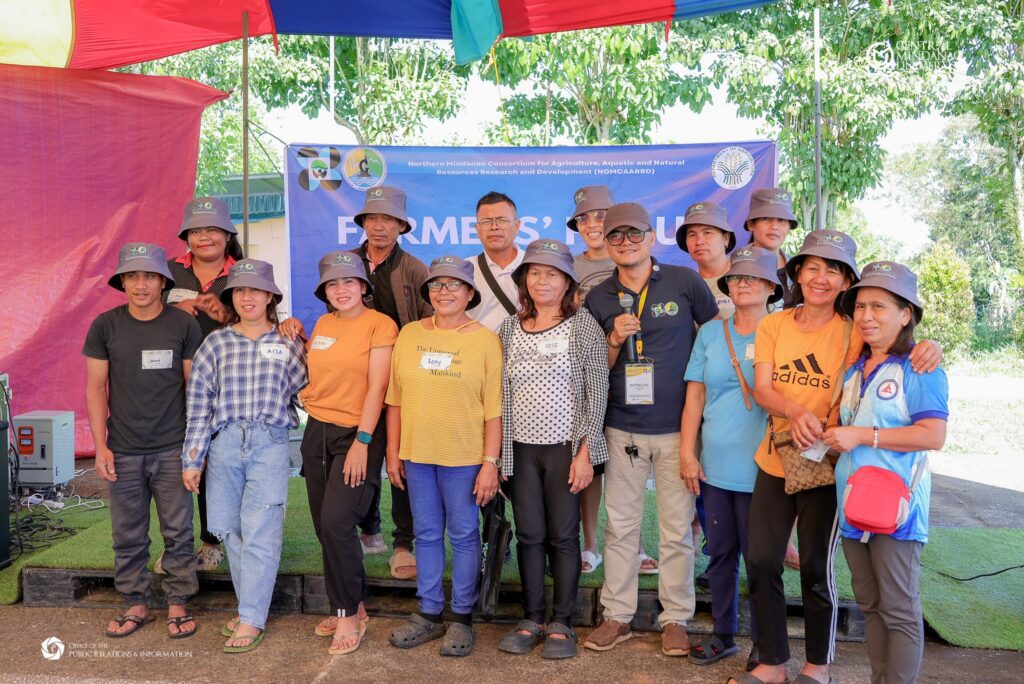
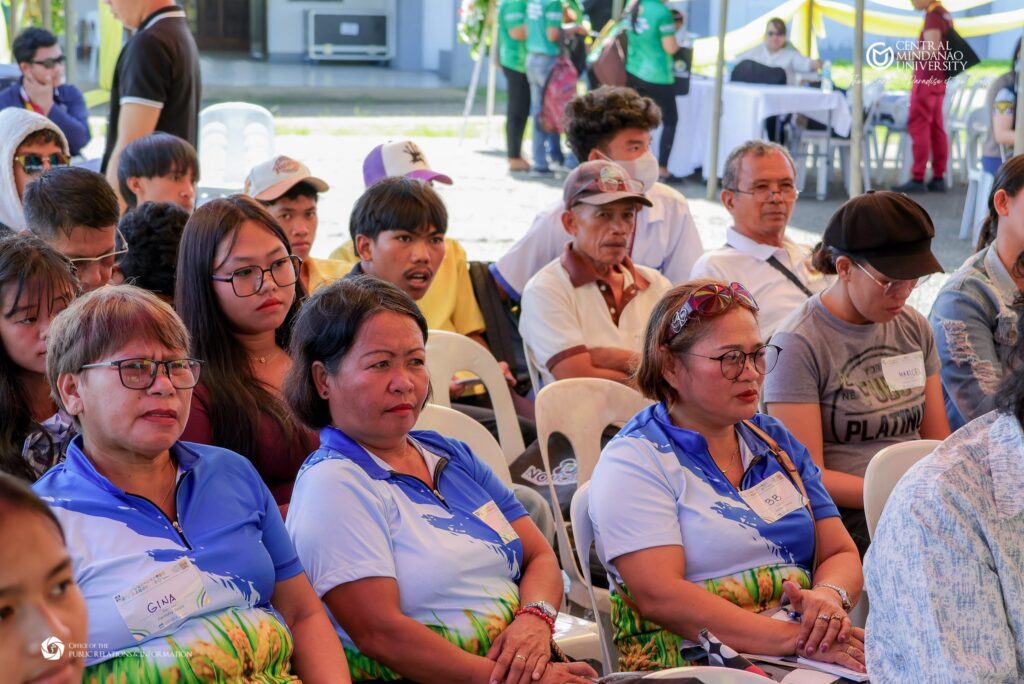
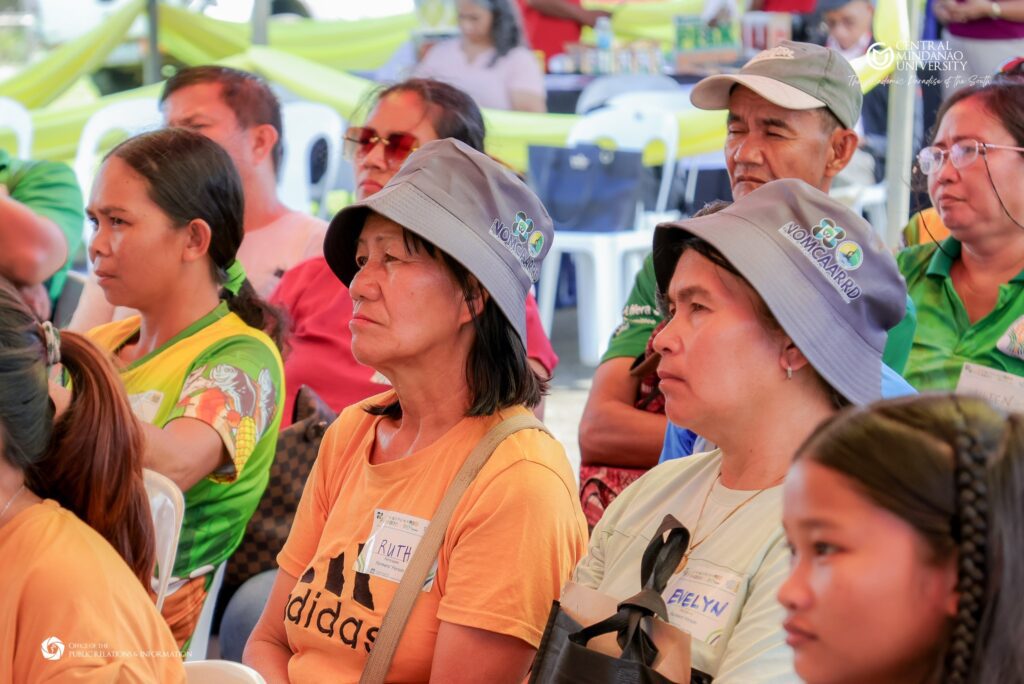
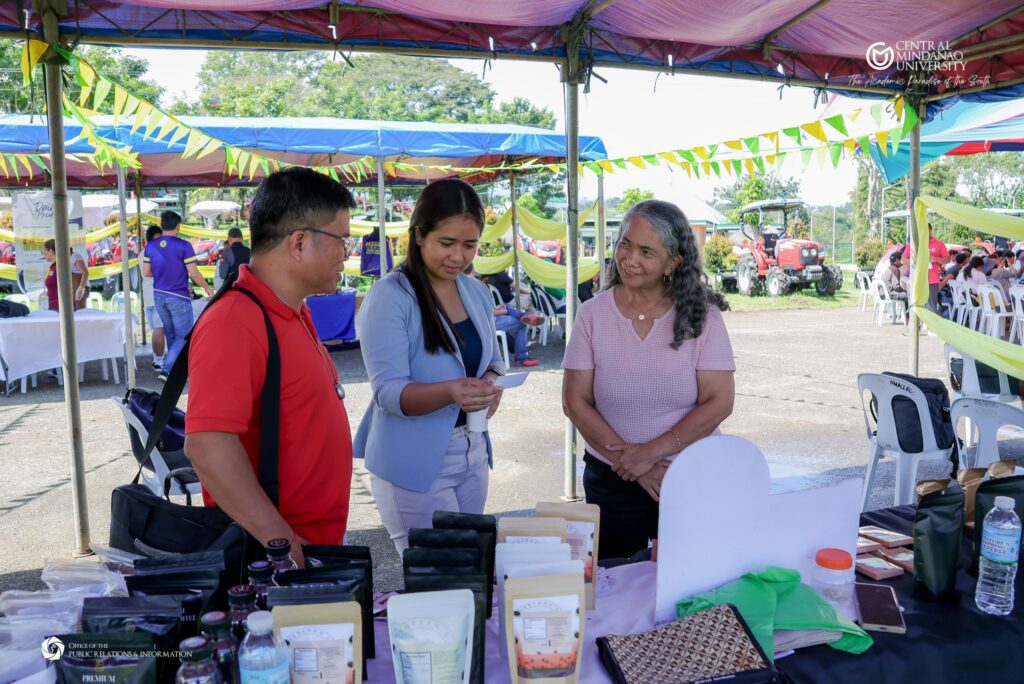
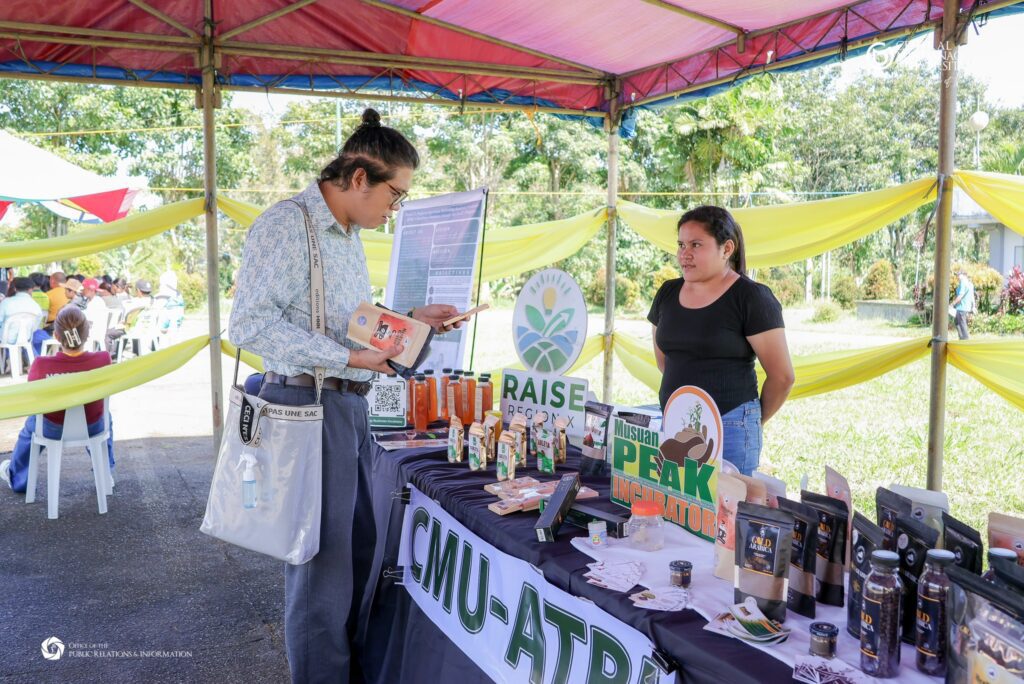
The core mission of the 37th Regional Symposium on Research and Development Highlights (RSRDH) was realized not only through competitive research presentations but more importantly through a dedicated session for its primary stakeholders, highlighting three major commodities: rice, coffee, and tilapia, held on November 27–28, 2025, at the DA-RFO 10 NMACLRC in Dalwangan, Bukidnon
On rice
During the Technology Pitching segment, Ms. Mae Odimyrl A. Morales, Senior SRS of DA-RFO 10, emphasized the department’s strategy: “The DA prioritizes technologies that support scaling and upscaling while preserving native rice varieties. Collaboration with NGOs like MASIPAG helped test 48 traditional rice lines, narrowed to 30 promising lines over four cropping seasons.”
To ensure resilience, the region is piloting cutting-edge techniques: “New technologies, such as the RISE component, enhance rice growth, and climate-resilient varieties, including saline-tolerant varieties, are being piloted in Region 10,” Morales added.
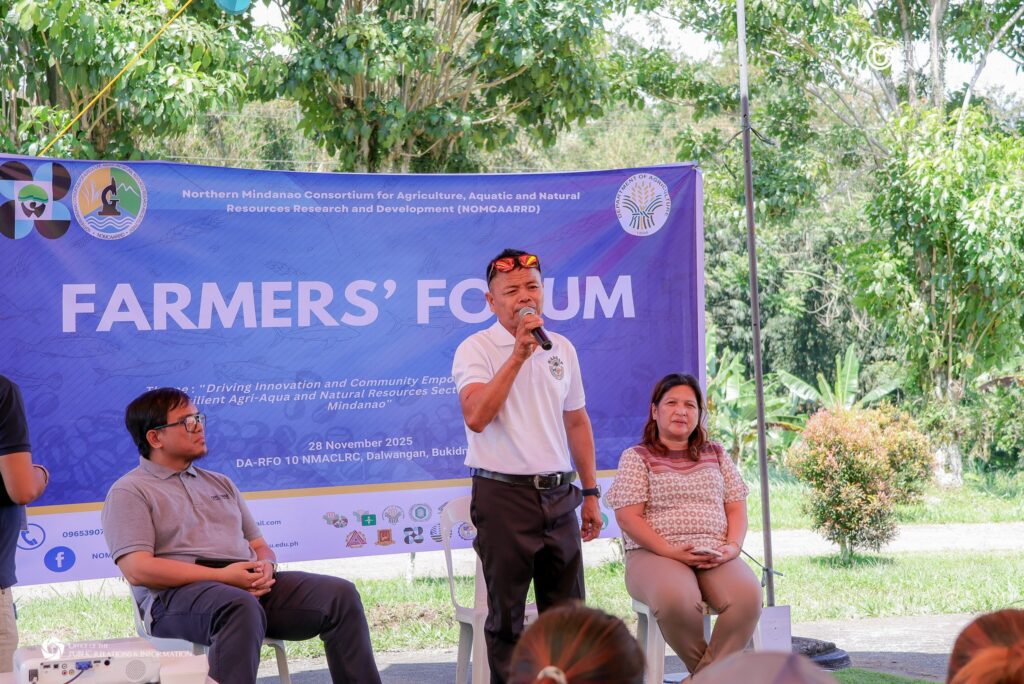
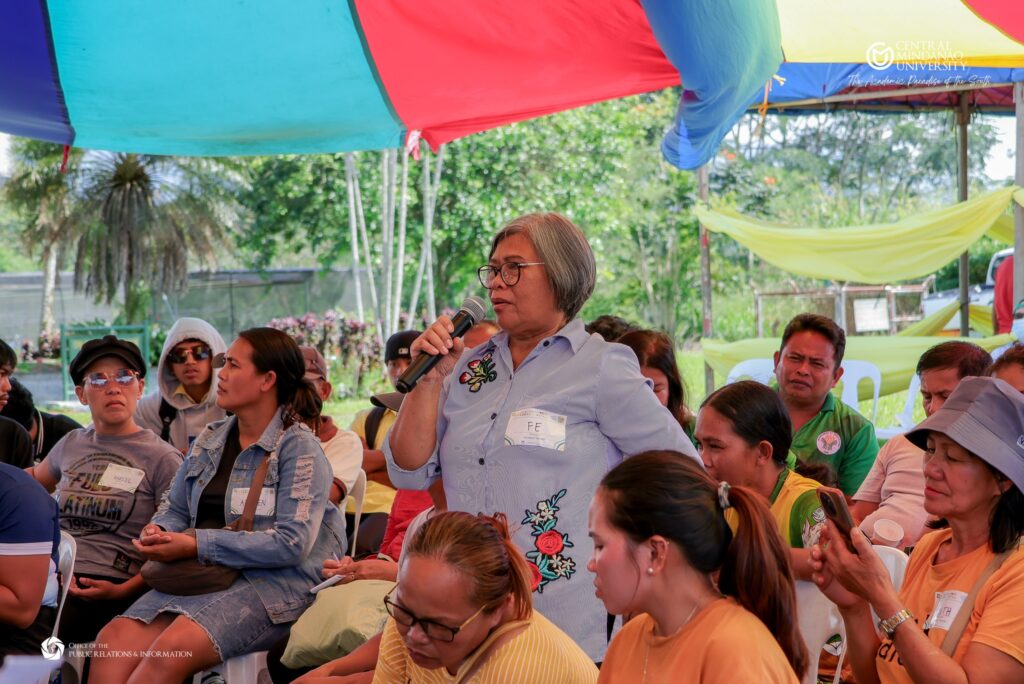
This effort is underpinned by modern agricultural practices, as shared by Maridith Flores, Senior Science Research Specialist of DA-RFO 10, during the Farmer’s Forum, sharing that the agency is now implementing GIS-based field monitoring and using a Google Toolbox to digitize records and production data. She also disclosed that they are also using drone-based assessment to see crop conditions and apply precision input use for fertilizer, water, and pest control, making field management more efficient, modern, and sustainable.
“Kini nga mga teknolohiya nag dala ug mas episyente, mas moderno, ug mas sustainable nga pamaagi sa pagdumala sa agrikultura (These technologies bring a more efficient, more modern, and more sustainable way of managing agriculture) ,” Ms. Flores added.
On coffee
Ms. Kersten Pagalan, Chief of NMAC LRC, highlighted the focus on tree rejuvenation and sustainability: “We are promoting the rejuvenation of old coffee trees, especially through intercropping with coconut. Intercropping helps farmers diversify income—when coconut prices drop, coffee provides additional earnings.” She also noted the support from key partners, especially the strong support of Governor Rogelio Neil P. Roque on the Bukidnon Coffee Roadmap and CMU’s Coffee Laboratory.
During the Farmer’s Forum, Mr. John Ryan M. Loyloy, Founder of Kape Lumad, shared that the key to the premium status of the coffee lies in post-harvest quality, provided the fermentation and processing are correct.
“Naa mo’y oportunidad na mapa-mahal and inyung abot bisan robusta kung lami ug hapsay og proseso—pwede e-posisyon as specialty coffee [finest robusta] (You have the opportunity to significantly increase the value of your yield, even robusta, provided the processing is excellent and yields a fine taste—allowing it to be positioned as specialty coffee [finest robusta]),” Mr. Loyloy shared.
On Tilapia
Finally, the farmer’s forum spotlighted a fisheries success story that demonstrates how technology adoption leads directly to value-added products and community empowerment.
Jerry Tapic, a farmer from KAAGAP CLA, expressed gratitude for the support their group received, especially from the ATBI, NOMCAARRD, and the Department of Agriculture, for the help and support in tilapia production and technology development.
“Gikan sa tilapia fingerlings hangtod sa limpyo nga boneless tilanggit ang among kalampusan nagpamatuod nga ang pagpaningkamot, pagtuo, ug suporta sa teknolohiya mahimong magdala og garbo sa komunidad (From tilapia fingerlings to clean, boneless tilanggit, the progress and support for technology have brought pride to our community),” Mr. Tapic declared.
#SDG13 #ClimateAction #SDG14 #LifeBelowWater #SDG15 #LifeOnLand #SDG17 #PartnershipsForTheGoals #SDG4 #QualityEducation