
CMU promotes safety awareness through “Whistle for Safety” orientation
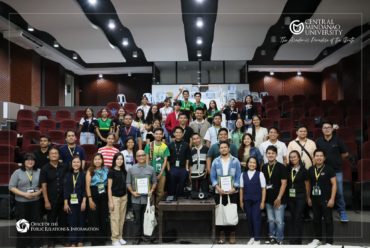
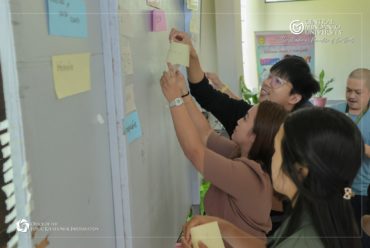
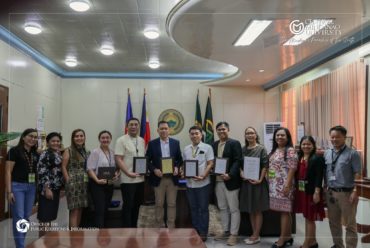
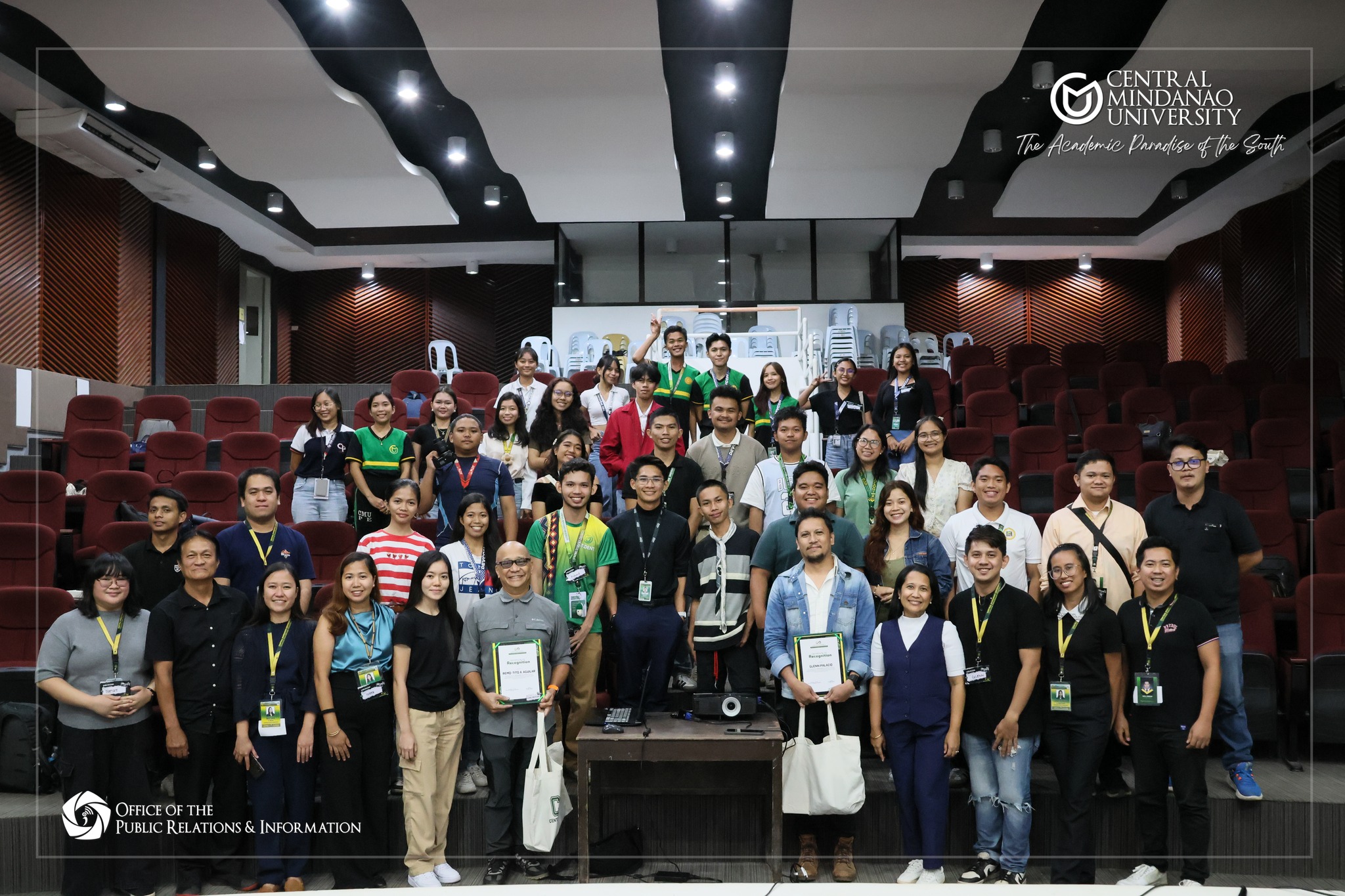
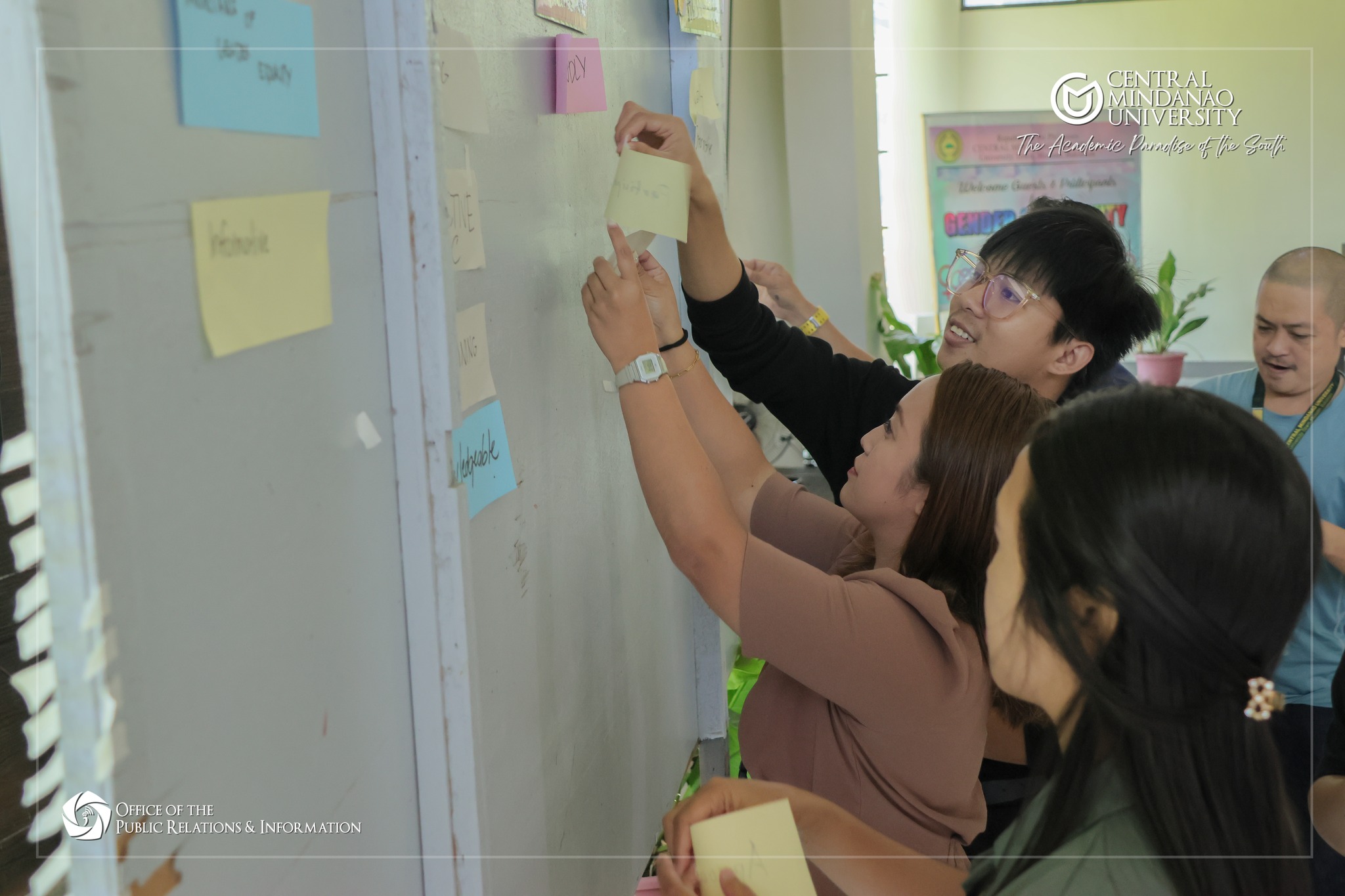
As part of the culmination of the National Women’s Month Celebration, the Central Mindanao University Center for Gender and Development (CGAD) conducted an orientation titled “Whistle for Safety: Women and Men in Action during an Emergency,” highlighting a simple yet effective tool for personal safety and emergency response.
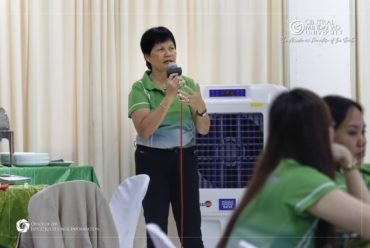
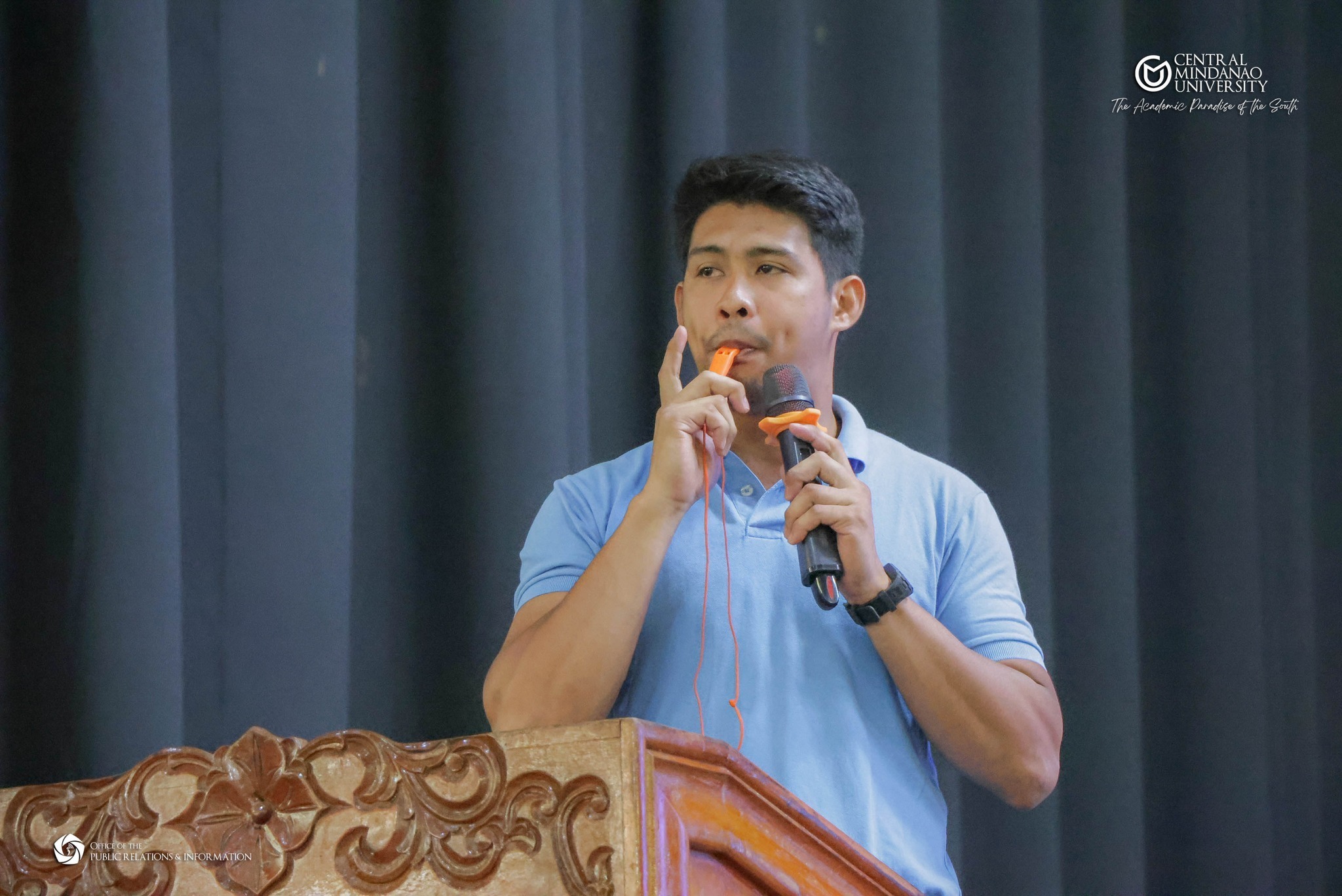
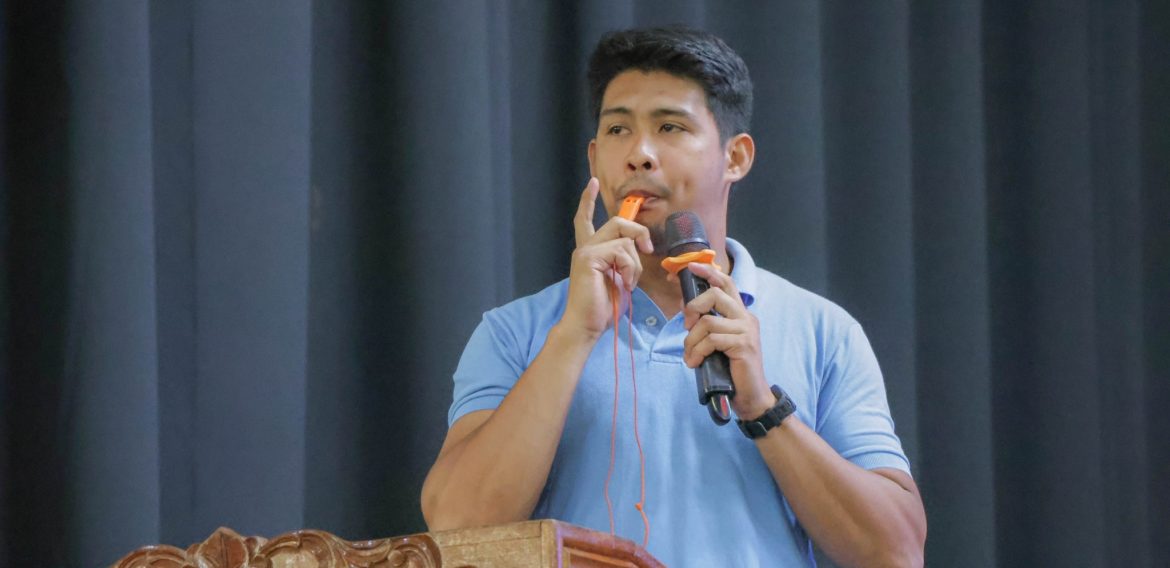
The session, facilitated by Mr. Tracy Van H. Tangonan, Officer-in-Charge, Director of the CMU Office of Disaster Risk Reduction Management, emphasized the use of whistles as a practical, non-violent means to deter threats, call for help, and enable quick response during emergencies.
According to Mr. Tangonan, the whistle serves as an accessible and reliable device that can be used by anyone in situations of danger.
“The whistle is a simple, non-violent tool that can deter attackers, call attention, and enable quick response in times of emergency,” he explained.

Understanding Whistle Signals for Safety
A key highlight of the orientation was teaching participants the standard whistle signals used during emergencies:
One long blow – call for attention “I am here” or “where are you?” (to alert nearby people or signal presence)
Three long blows – Distress signal (indicates immediate danger or emergency)
Participants were also introduced to the universal SOS distress signal based on Morse Code, which can be used when sustained signaling is needed:
3 short, 3 long, 3 short blows – SOS / Extreme distress (used to call urgent attention and rescue)
This pattern is widely recognized internationally and can help responders quickly identify a serious emergency situation.
The orientation also underscored the relevance of whistle use in supporting Republic Act No. 11313, or the Safe Spaces Act, by helping prevent harassment, alert bystanders and authorities, and empowering individuals to act in unsafe situations.
Participants shared positive feedback on the initiative, noting both its practicality and impact.
A staff member from the University Housing and Relocation Committee (UHRC), Mr. Christian T. Batal, expressed appreciation for the orientation, highlighting the whistle’s effectiveness despite its simplicity.
“Na happy ko pagka balo nga grabe diay ang impact sa whistle. Bisan gamay lang siya, pero kung imong patingogon, kusog kaayo. Very gaan, and ma dala-dala ra jud siya ug kini mahulog di pod siya mabuak ditso ang color pod ngano orange para dali ra siya makita,” he shared.
He added that the orientation enhanced their preparedness in emergency situations.
“Nakatabang gyud ang orientation kay nakasabot mi unsay angay buhaton kung naay peligro. After sa session, daghan gyud nangayo ug whistle—especially those who travel or walk alone. Naa na silay magamit kung naay emergency,” he added.
Meanwhile, Ms. Virma Faith T. Dayondon, a faculty member from the College of Arts and Sciences, affirmed the usefulness of the activity.
“Yes, very helpful,” she said, while also suggesting the need for wider implementation. “Unta mas extensive pa ang information dissemination ug training aron mas daghan ang ma-aware unsaon paggamit.”
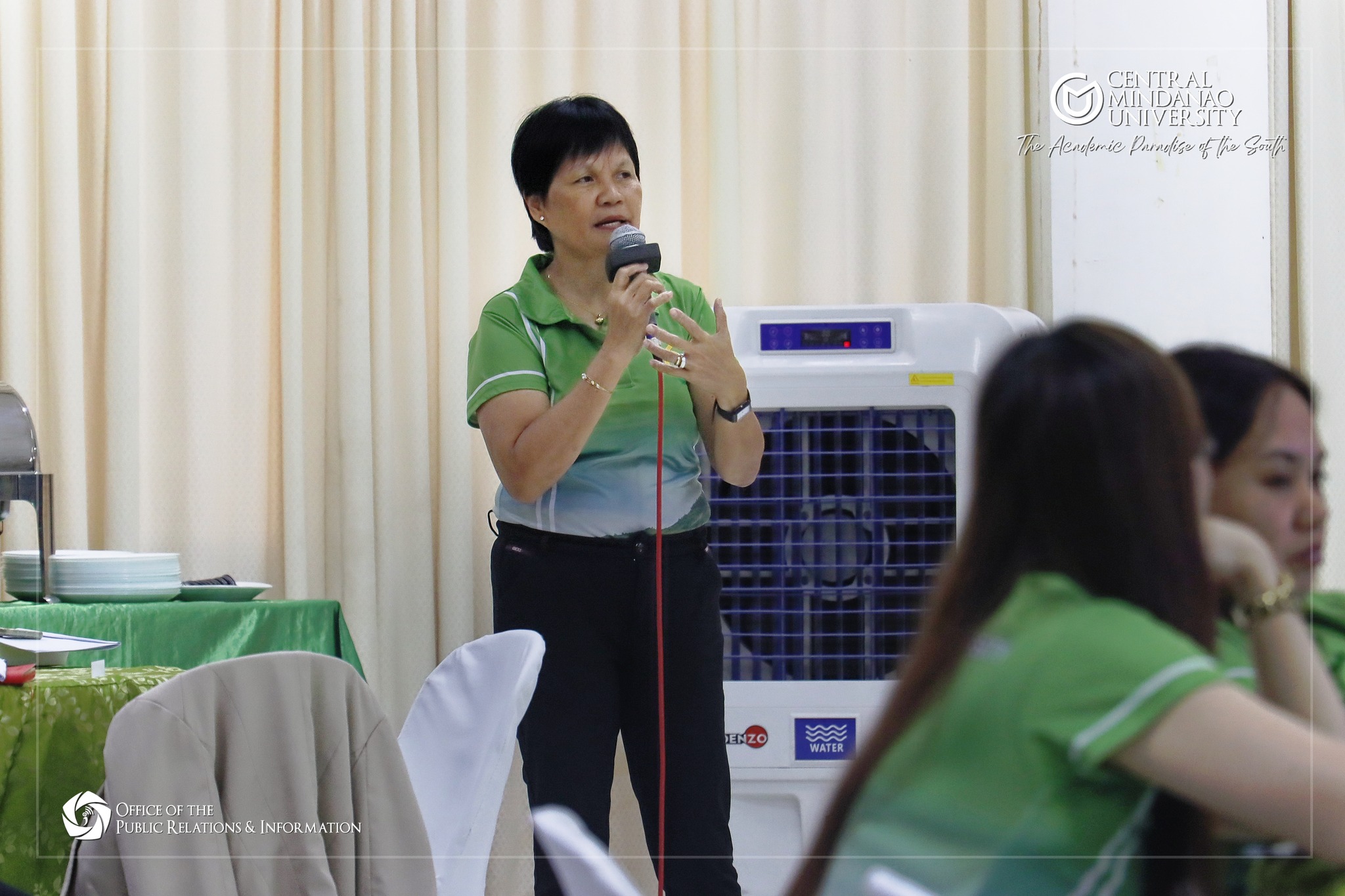
In her message, CGAD Chief Dr. Teresita H. Borres emphasized the symbolic and life-saving potential of the whistle.
“An emergency whistle is small, yet it gives loud and life-saving vibes. Remembering Rose in Titanic, one long blast saved her life. From this day onwards, I will carry with me my small orange whistle,” she remarked.
Moving forward, the Center for Gender and Development (CGAD), together with the GAD Technical Working Group and coordinators, plans to institutionalize the whistle safety initiative by integrating it into the Gender Sensitivity Orientation (GSO)—a series of orientation sessions for all first-year students of the University. This aims to ensure that students are equipped with practical knowledge and tools for personal safety early in their academic journey.
The team also intends to incorporate the whistle safety orientation into employee orientation programs, particularly for security personnel and newly hired staff, as part of broader efforts to mainstream safety awareness and promote a culture of preparedness across the University.
Through initiatives like this, CMU continues to strengthen its commitment to creating safer and more responsive campus environments, empowering both women and men to take proactive roles in emergency preparedness and personal safety. (Iyren Dalipe Neri)